
Firth of Forth
Estuary of Scotland’s River Forth, opening into the North Sea; noted for its glacial origins, important bridges and transport links, and rich natural and cultural heritage.
The Firth of Forth is the wide estuary of the River Forth in Scotland. It forms a natural inlet that connects the river to the North Sea and has for centuries been a focus for settlement, navigation and industry. The name is used both for the tidal waterway itself and for the surrounding coastal region. As an estuary, the Firth mixes freshwater and seawater, creating a varied set of habitats and a tidal regime that influences human activity upriver.
Image gallery
8 Images


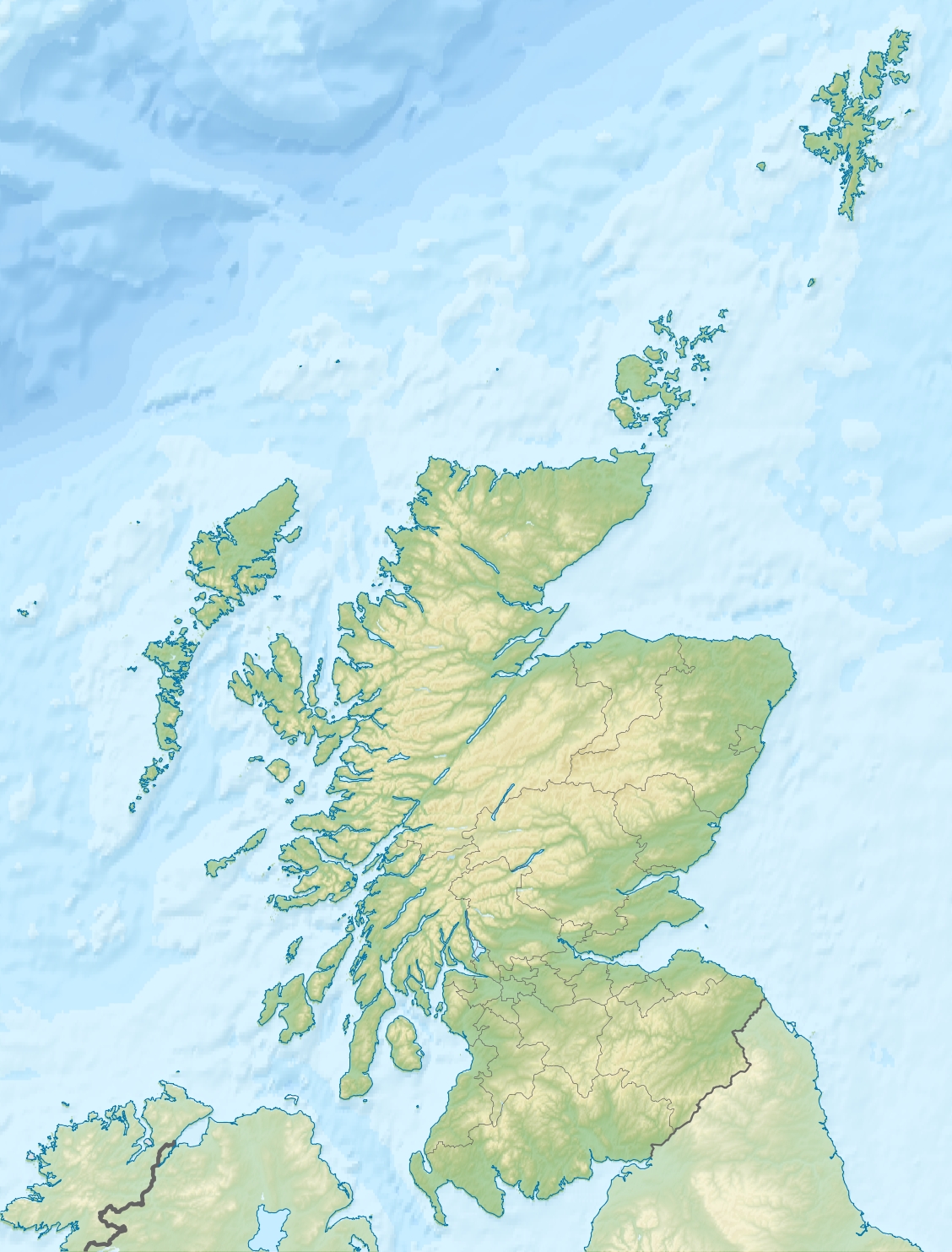
Geography and boundaries
The Firth stretches eastward where the river broadens into open water. To the north lies Fife, while to the south the shoreline is formed by a sequence of council areas including West Lothian, the City of Edinburgh and East Lothian. The tidal influence of the Forth reaches inland; the river is subject to tides as far as Stirling, affecting navigation and riverbank environments. The firth's mouth and central channel are navigable and have long been used by commercial and recreational vessels.
Origins and geology
Geologically, the Firth of Forth is a type of glacially carved valley often described as a fjord by geomorphologists. During the most recent ice ages the area was occupied by the Forth Glacier, which deepened and widened the river valley. Following glacial retreat and post‑glacial sea‑level rise the valley filled with seawater, producing the present estuarine form with characteristic banks, mudflats and underwater channels.
Transport and crossings
The Firth has been crossed by multiple fixed links and ferries. Notable 20th‑ and 21st‑century crossings include:
- Forth Road Bridge — historically important for road traffic across the estuary.
- Forth Rail Bridge — the iconic cantilever rail viaduct that remains a landmark and a UNESCO World Heritage site.
- Queensferry Crossing and other modern road bridges, plus the older Kincardine and Clackmannanshire crossings, which handle regional traffic.
In addition to bridges, there have been trials and short‑lived services on the water. A notable example was a hovercraft passenger service trial linking Portobello in Edinburgh with Kirkcaldy in Kirkcaldy during the 2000s; the experiment attracted attention for its potential to reduce commuting congestion but was not sustained long term.
Ecology, uses and economy
The intertidal zones and shallow waters of the firth support diverse wildlife, including migratory birds, estuarine fish and marine invertebrates. Mudflats and saltmarshes act as feeding and breeding grounds for many species and are valued for conservation. Economically, the Forth serves commercial shipping, local fisheries, recreational boating and tourism: scenic views of the bridges and coastal towns are an important draw. The mix of industrial ports and conservation areas means management of the firth balances navigation, habitat protection and community use.
History and notable facts
Human activity along the Forth dates back to prehistoric times, with fishing, trade and settlement recorded through the Roman and medieval periods into the industrial era. The construction of major bridges in the 19th and 20th centuries transformed travel in the region. The Firth remains a cultural and physical crossroads in eastern Scotland, known for its dramatic scenery, engineering heritage and ongoing role as both an economic corridor and a landscape of ecological significance.
Further reading and resources are available through regional archives and marine authorities; introductory guides and maps can be found via general reference portals and local tourism services (estuary overview, regional context).


Islands in the Firth of Forth
- Bass Rock
- Craigleith
- Cramond
- Eyebroughy
- Fidra
- Inchcolm
- Inchgarvie
- Inchkeith
- Inchmickery
- Isle of May
- The Lamb

Towns and villages along the Firth of Forth
North shore
|
|
South shore
|

Related articles
Author
AlegsaOnline.com Firth of Forth Leandro Alegsa
URL: https://en.alegsaonline.com/art/34603
Sources
- news.bbc.co.uk : BBC news report, 1 October 2008
- scottish-places.info : "Queensferry Crossing"
- youtube.com : "Kirkcaldy-Edinburgh hovercraft trial"
- edinburghnews.scotsman.com : "Plans lodged for Forth hovercraft"