
Edgard Varèse: Pioneer of Timbre, Rhythm and Electronic Sound
French-born composer Edgard Varèse (1883–1965) reshaped 20th-century music with an emphasis on timbre, percussion, rhythm and early electronic techniques; he remains influential for his concept of “organized sound.”
Edgard Varèse (December 22, 1883 – November 6, 1965) was a French-born composer who spent most of his career in the United States and who became a formative figure in modernist and electronic music. Rejecting conventional melodic development, Varèse concentrated on sound itself—its color, attack and spatial effect—and sought new ways to organize sonic materials. His approach places emphasis on texture and energy rather than on traditional harmony, and it left a durable mark on later generations of composers, sound artists and electronic musicians. biography composer profile United States
Image gallery
5 Images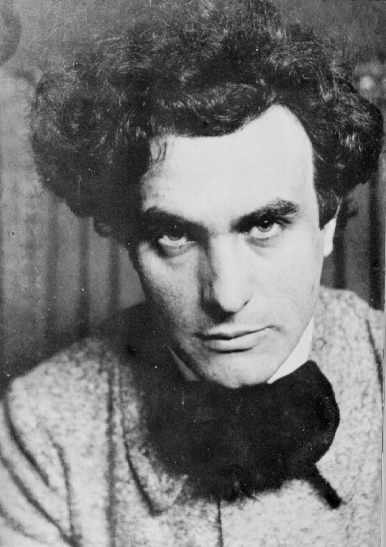


Musical language and the idea of "organized sound"
Varèse coined the term "organized sound" to describe music in which timbre and rhythm take precedence over conventional melody and functional harmony. For him, composition meant the deliberate arrangement of sonic events—noises, percussive attacks, sustained sonorities and spatial effects—into coherent forms. He often used wide dynamic contrasts, irregular accents and novel groupings of instruments to create a sense of propulsion and structural clarity. His aesthetic systematically foregrounded timbre and rhythm, treating them as building blocks comparable to pitch in traditional practice; the phrase "organized sound" is now widely associated with his credo and teaching.
Instrumentation, innovation and electronics
Varèse was notable for deploying large, unusual percussion sections and for inventing or adapting instruments to achieve new timbral effects. He experimented with sirens, new percussion, and unconventional combinations of winds and brass to expand the orchestra’s sonic palette. Later in his life he embraced electronic and tape techniques as a logical extension of his interests, composing works that integrated recorded sounds and loudspeaker diffusion. His use of technology and sound projection led some commentators to call him a precursor or "father" of electronic music. novel instruments electronic resources
Major works and public activity
Varèse’s surviving output is relatively compact in duration but notable for its concentrated influence. Landmark works include:
- Ionisation (1929–1931) – an early large-scale work for percussion ensemble that explored rhythm and attack.
- Amériques – an orchestral work that captures urban and architectural sonorities, written after his move to the United States.
- Déserts – a mid-century piece combining orchestra with tape-recorded sounds.
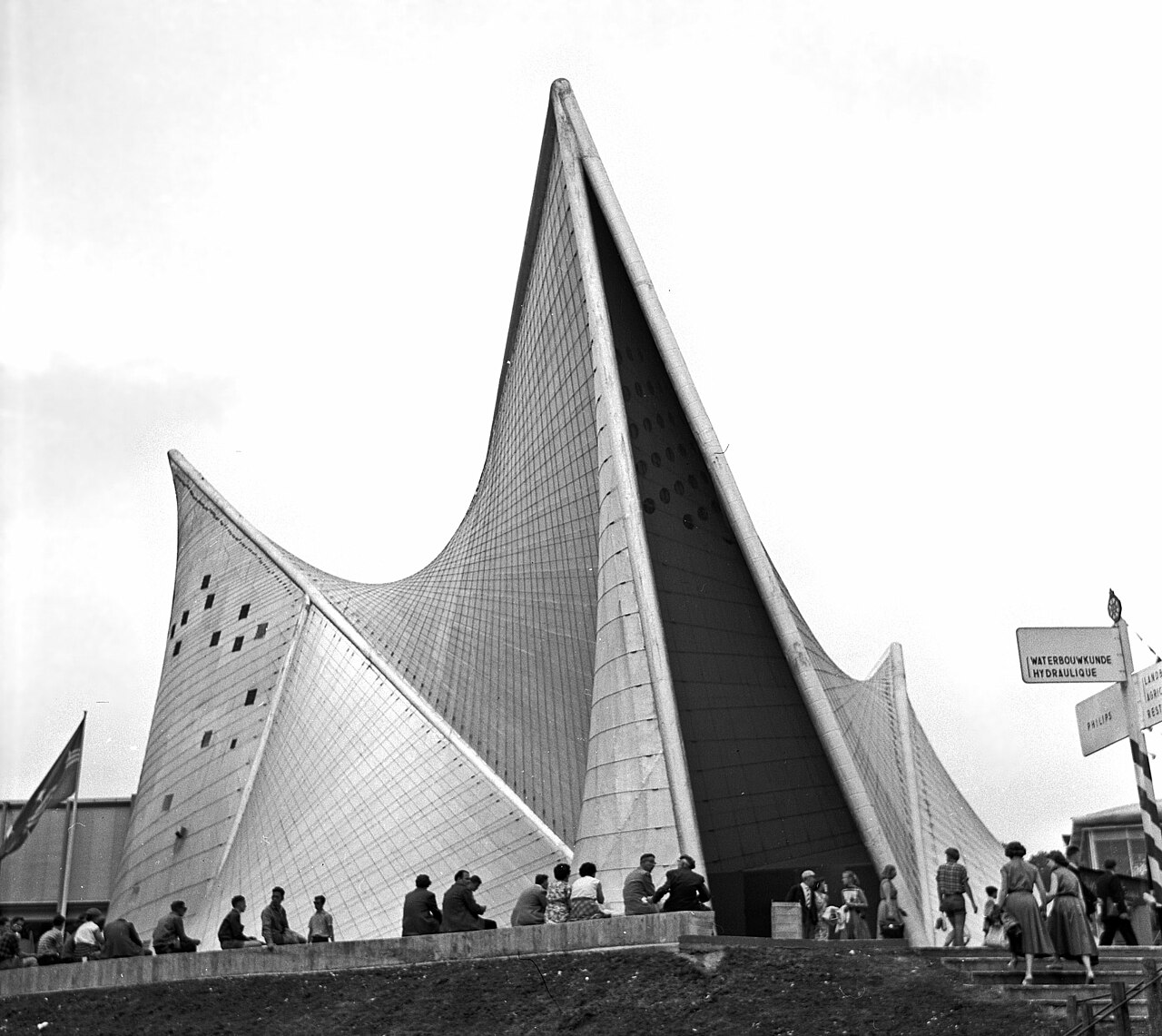
- Poème électronique – an electronic composition created for a pavilion context and intended for multi-channel playback.
Although Varèse’s complete output amounts to only a few hours of music, roughly speaking sometimes described in accounts as under three hours, his pieces frequently pushed concert programming toward new sounds and inspired organizations devoted to contemporary music. He also participated in efforts to present and commission new work throughout his career. influence
Influence and legacy
Varèse influenced a wide range of composers and thinkers because of his radical reorientation of musical priorities. His emphasis on spatialization, the physical impact of sound and the incorporation of non-traditional sources anticipated later developments in electronic composition, musique concrète and various avant-garde movements. Performers, composers and engineers credit his ideas with opening possibilities for arranging sound on a large scale and for thinking about composition as the manipulation of sonic materials rather than the manipulation of tonal functions. Critics and fellow artists sometimes amplified his stature: for example, the writer Henry Miller called him "The stratospheric Colossus of Sound," reflecting the dramatic impression his music could make. Henry Miller comment
Notable facts and distinctions
Varèse’s career crossed continents and technologies. Born in Paris, he became a central figure in New York’s musical life after emigrating to the United States, and he remained an outspoken advocate for new music until his death in 1965. His concentrated output and uncompromising aesthetic continue to be studied, performed and reinterpreted in acoustic and electronic media. Listeners discovering Varèse for the first time often note the work’s immediate physical presence: an emphasis on impact, novelty of sonority and an insistence that sound itself can carry compositional meaning. timbre focus rhythmic focus
Related articles
Author
AlegsaOnline.com Edgard Varèse: Pioneer of Timbre, Rhythm and Electronic Sound Leandro Alegsa
URL: https://en.alegsaonline.com/art/30103