
Hour (time unit)
An hour is a unit of time equal to 60 minutes or 3,600 seconds. Used in civil timekeeping and science, it originated from ancient sexagesimal divisions and is accepted for use with SI though not an SI base unit.
Overview
An hour (abbreviation h or hr) is a widely used unit of measurement for time. In contemporary usage one hour equals 60 minutes, or 3,600 seconds, and 24 hours typically make one day. The hour is a convenient subdivision of the day for scheduling and everyday life.
Image gallery
10 Images




Characteristics
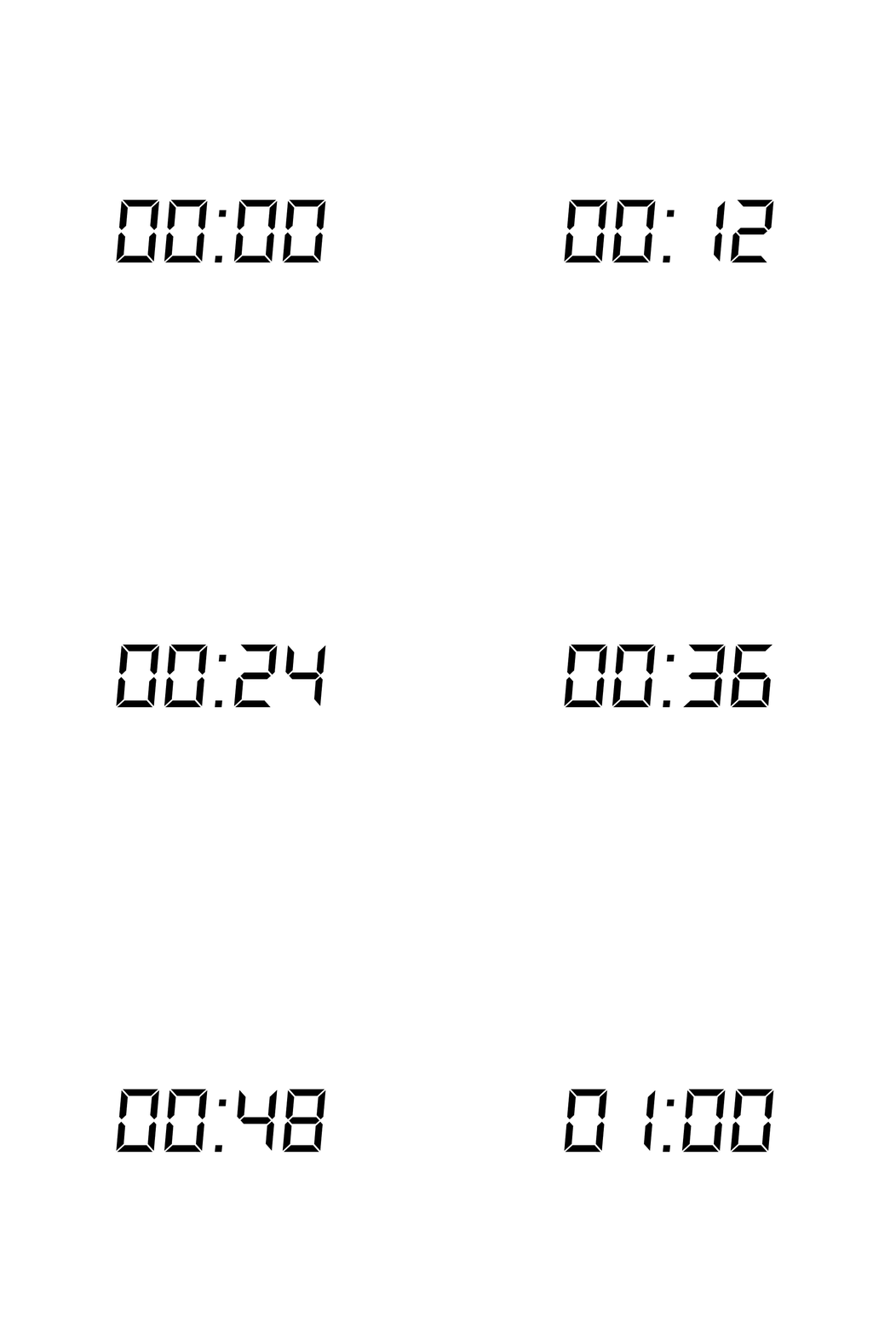
Hours appear both in civil clocks and in scientific contexts. While the second is the SI base unit of time, the hour is an accepted derived unit for practical use. Notation varies: common forms include the 24-hour clock (00:00–23:59) and 12-hour clock with AM/PM indicators.
History and development
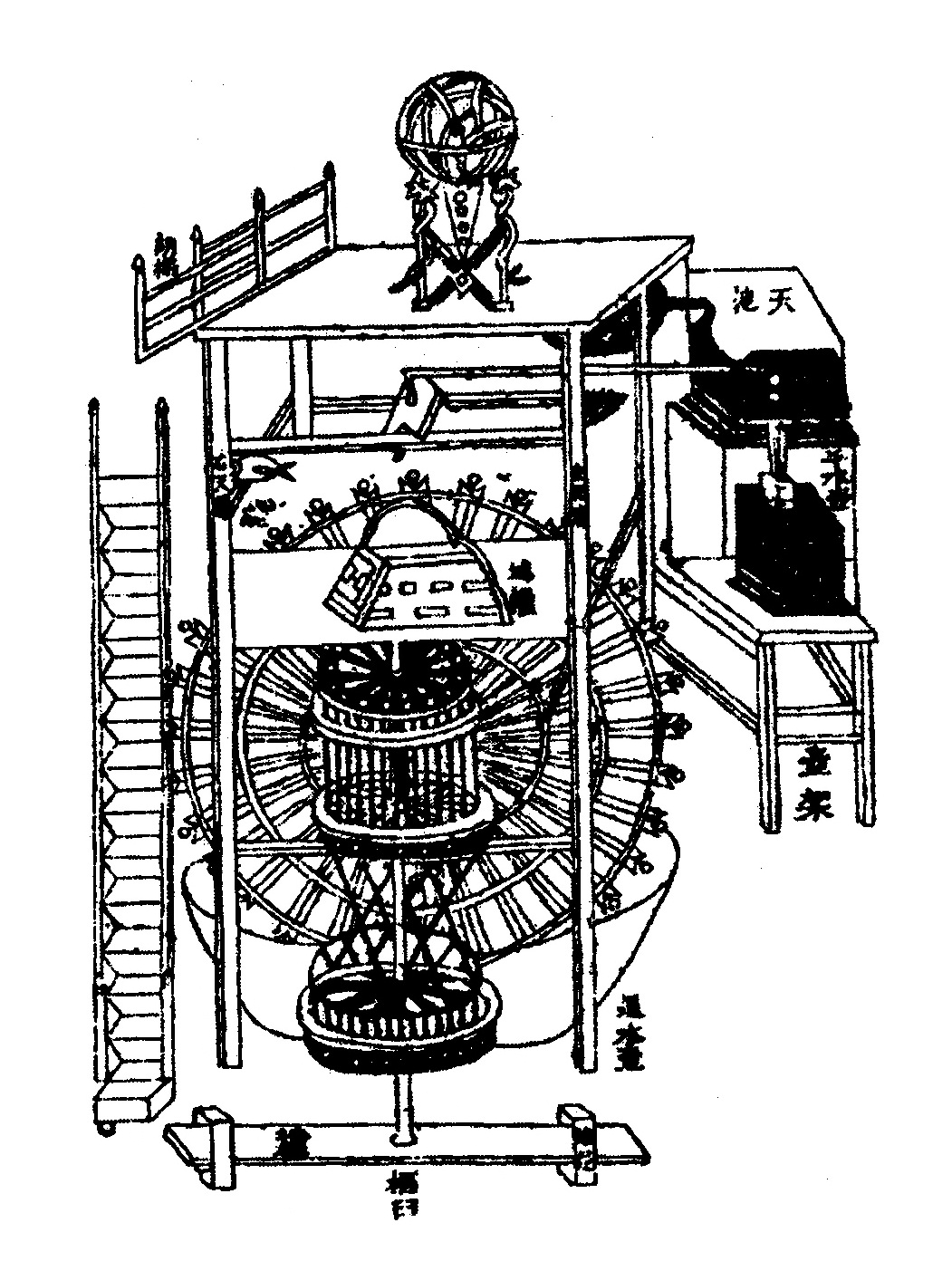
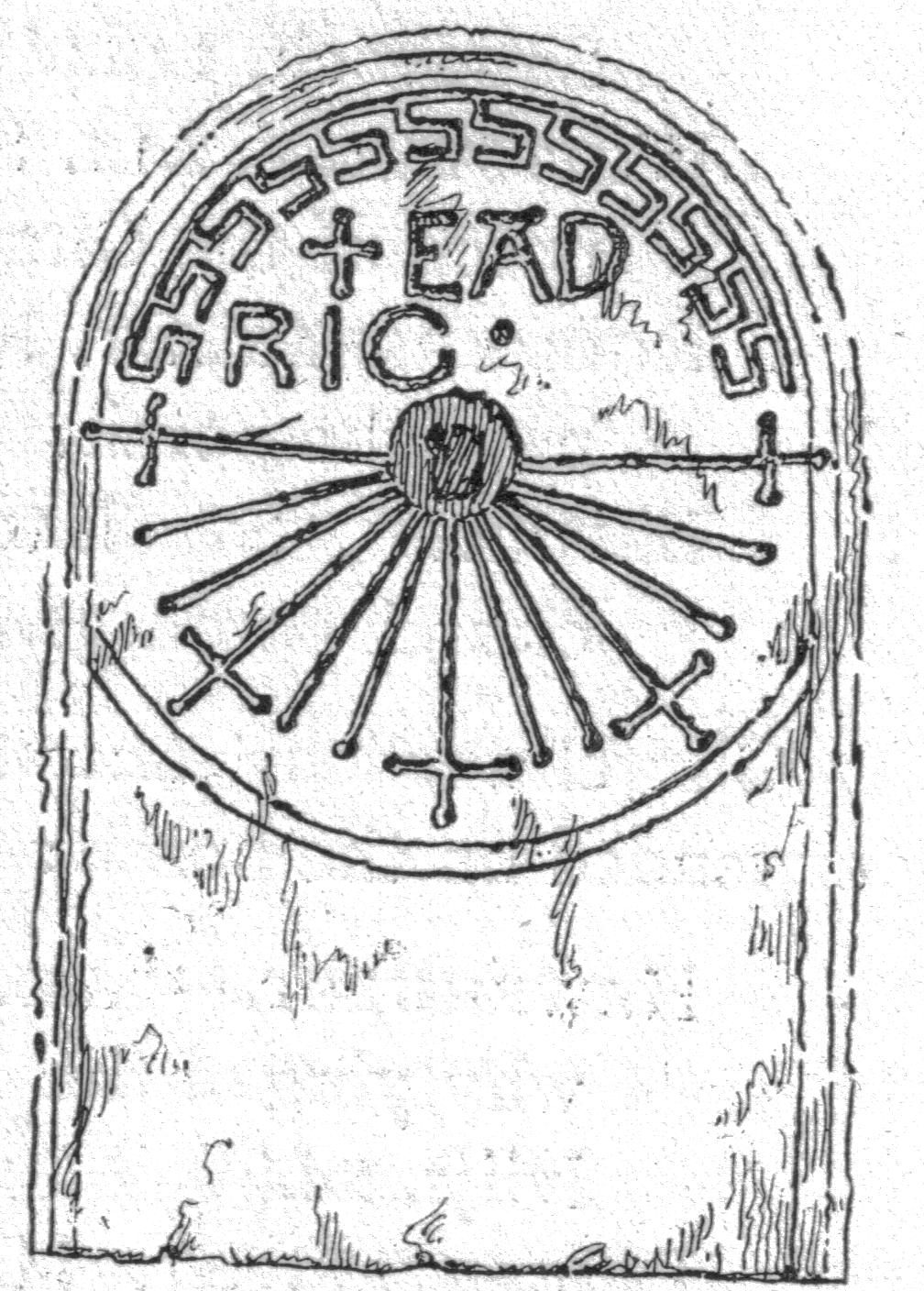
The practice of dividing the day has deep roots in ancient astronomy. The 24-part day and the sexagesimal (base‑60) subdivision that yields 60 minutes per hour trace to Near Eastern and Egyptian methods and later Babylonian mathematics. In antiquity and the Middle Ages, some systems used unequal or seasonal hours whose length changed with daylight. There have also been brief experiments with alternative systems, such as decimal time during the French Revolutionary period.
Uses and examples
Hours structure work shifts, transport schedules, broadcasting, and scientific reporting. Everyday examples include a one-hour meeting, a multi-hour journey, or billing by the hour. Time zones and Coordinated Universal Time (UTC) align civil hours globally; to keep clock time close to Earth's rotation, UTC sometimes applies occasional leap seconds.
Notable distinctions
- Civil hour: the standard 60-minute hour used in most contexts.
- Solar hour: based on the Sun's apparent motion; varies slightly with Earth's orbit.
- Sidereal hour: tied to the stars; a sidereal day is about 23 hours 56 minutes, so sidereal hours differ from solar hours.
- Historical variants: unequal hours and decimal time show different cultural approaches to dividing the day.
Related articles
Author
AlegsaOnline.com Hour (time unit) Leandro Alegsa
URL: https://en.alegsaonline.com/art/45286