
Rhythm: musical pulse, meter, and patterns
An overview of rhythm—its components, notation, cultural varieties, uses in music and speech, how it is perceived, and practical aspects of performing and practicing rhythm.
Rhythm is the organization of sound and silence over time that gives music its forward motion and shape. At its simplest it consists of a steady pulse or beat and the pattern of accents that fall on that pulse. Rhythm interacts with tempo (how fast the pulses occur), meter (the grouping of pulses into recurring patterns), and articulation (how notes are started and released) to create recognizable patterns such as marches, waltzes, and more complex cross-rhythms. For a general introduction to musical rhythm see this overview.
Image gallery
6 Images
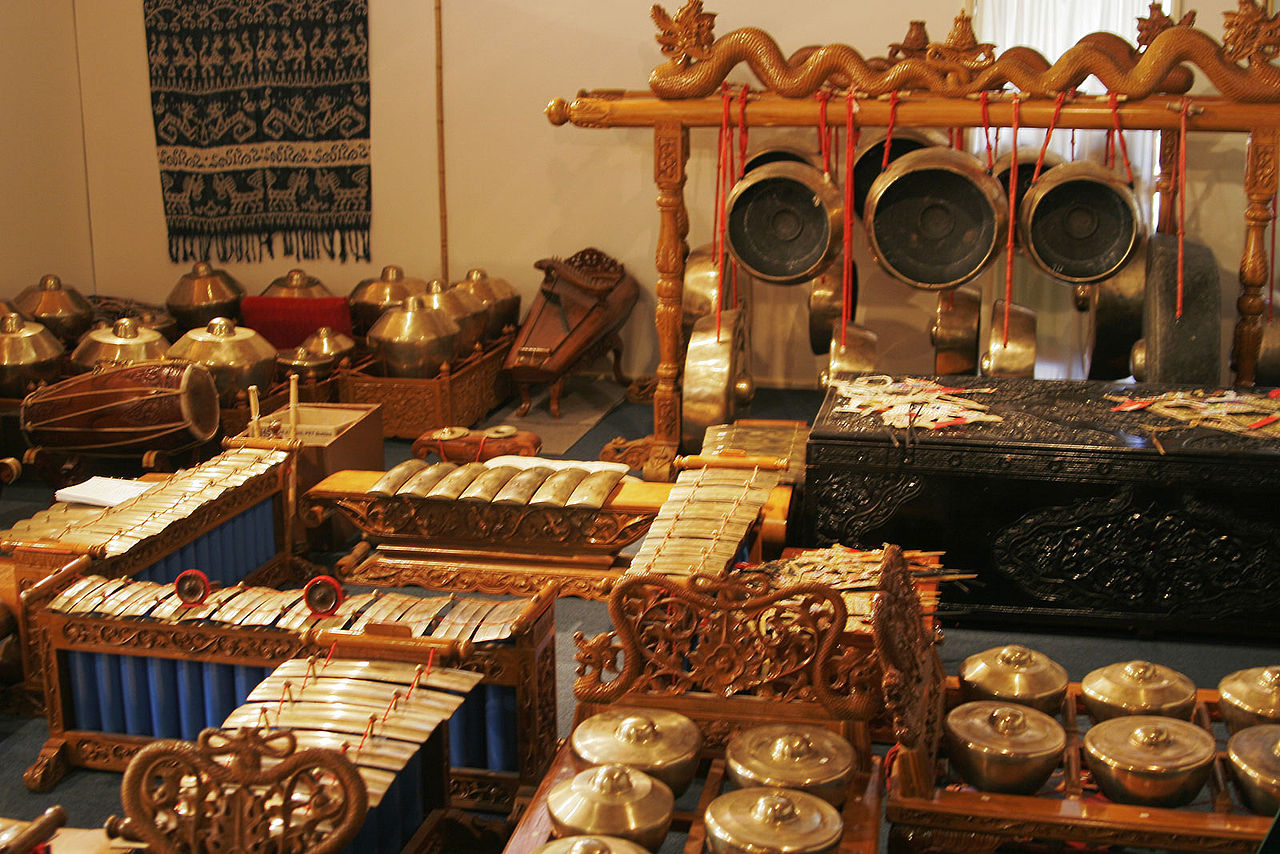


Basic elements
Key components of rhythm include:
- Beat: the basic unit of time — the regular pulse you might clap or tap.
- Tempo: the speed of the beat, often measured in beats per minute.
- Meter: how beats are grouped into measures, indicated by time signatures such as 2/4, 3/4, or 4/4.
- Accent: the emphasis that makes certain beats feel stronger (for example, the downbeat of a bar).
- Syncopation and polyrhythm: deliberate shifts of expected accents or the layering of different rhythmic patterns simultaneously.
Notation and common patterns
Rhythms are written using note values and rests inside measures (bars), with time signatures defining the repeated grouping. Common Western patterns include duple (1–2), triple (1–2–3) and quadruple (1–2–3–4) meters, but many musical traditions use asymmetrical meters and complex subdivisions. Practical examples include the steady 4/4 pulse of much pop music, the 3/4 pattern of many waltzes, the swing feel in jazz (where written eighth notes are performed with unequal durations), and the repeating clave patterns used in Afro-Cuban music.
History and cultural variety
Rhythmic practice and theory have deep roots across cultures. Western classical notation systematized meter and rhythmic values, but other traditions emphasize cyclical patterns, improvisation, or dance-based timing. West African and Afro-diasporic musical forms contributed many polyrhythmic techniques to global music. Folk, liturgical, and popular styles across the world display a wide range of meters, accent structures, and performance conventions.
Performance, practice and expressive timing
Successful rhythmic performance depends on internalizing a steady pulse, coordinating with other performers, and listening or watching a leader such as a conductor (conductor). Musicians often use a metronome (metronome) when practicing to develop consistent timing. At the same time, expressive timing—known as rubato—permits slight, controlled departures from strict tempo to create phrasing and musical expression; learned skill distinguishes expressive flexibility from being off-beat.
Perception, neuroscience and nonhuman rhythm
Humans are unusually good at perceiving and synchronizing with rhythm, a capacity that supports music, dance, speech, and coordinated activity. Clinical observations note that some neurological conditions can affect language without entirely eliminating rhythmic ability; for example, patients recovering from stroke may retain musical timing in ways that help therapy (stroke). Research into animal rhythm perception shows varied results: certain species can entrain to a beat under particular conditions, while others—such as studies involving chimpanzees—have shown limited spontaneous synchronization (chimpanzees and rhythm).
Understanding rhythm means attending to both its measurable properties and its cultural, expressive, and perceptual contexts. Whether in speech, ritual, dance, or concert performance, rhythm organizes time into patterns that musicians and listeners recognize, expect, and sometimes delightfully subvert.
Questions and answers
Q: What is rhythm?
A: Rhythm is the length of time between each major beat or accent in a piece of music. It is the sequence of sounds and silences that make up the rhythm.
Q: How do we write down rhythms?
A: When we write down rhythms, we put them into bars or measures.
Q: What are some common patterns used in Western music?
A: Common patterns used in Western music include 1 2, 1 2 1 2 3, 1 2 3 1 2 3 4, and 1 2 3 4.
Q: Who helps to keep the rhythm steady?
A: A conductor will usually beat time to help keep the rhythm steady. Musicians must also have a good sense of rhythm and be able to keep a steady beat in their head (if playing alone), listen to other players (if playing with others) or watch the conductor (if there is one).
Q: How can musicians practice keeping a steady beat?
A: Musicians can practice keeping a steady beat by using a metronome.
Q: What is rubato?
A: Rubato is rhythmic freedom which allows for musical expression when playing romantic pieces of music. It requires learning how to let the music “breathe” correctly without playing unrhythmically (badly).
Q: Do animals have a sense of rhythm?
A: According to neurologist Oliver Sacks, chimpanzees and other animals do not have a sense of rhythm like humans do.
Related articles
Author
AlegsaOnline.com Rhythm: musical pulse, meter, and patterns Leandro Alegsa
URL: https://en.alegsaonline.com/art/82562
Sources
- thedailyshow.com : The Daily Show with Jon Stewart