
Echiura (spoon worms): unsegmented marine worms and their biology
Echiura, or spoon worms, are unsegmented marine worms long treated as a distinct group but now placed with annelids by molecular studies. Overview of anatomy, life cycle, ecology and classification.
Overview
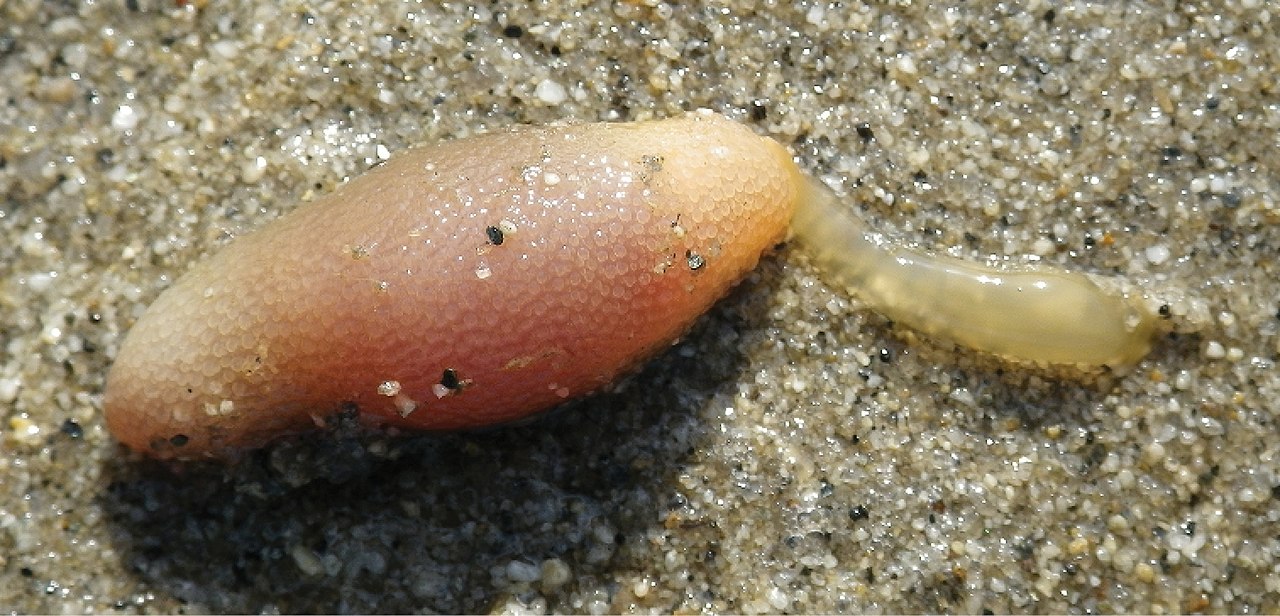
The Echiura, commonly called spoon worms, are a small group of marine invertebrates most often encountered in soft sediments and shallow coastal waters. They are free-living or inhabit burrows and tubes and are recognized by an extensible anterior proboscis that often gives them the common name. Historically they were described as a separate phylum because adults lack the obvious body segmentation typical of many relatives, but modern molecular analyses place echiurans within the broader annelid lineage, alongside other worm-like taxa. See general resources on marine animals and on the group known as spoon worms for basic references.
Image gallery
10 Images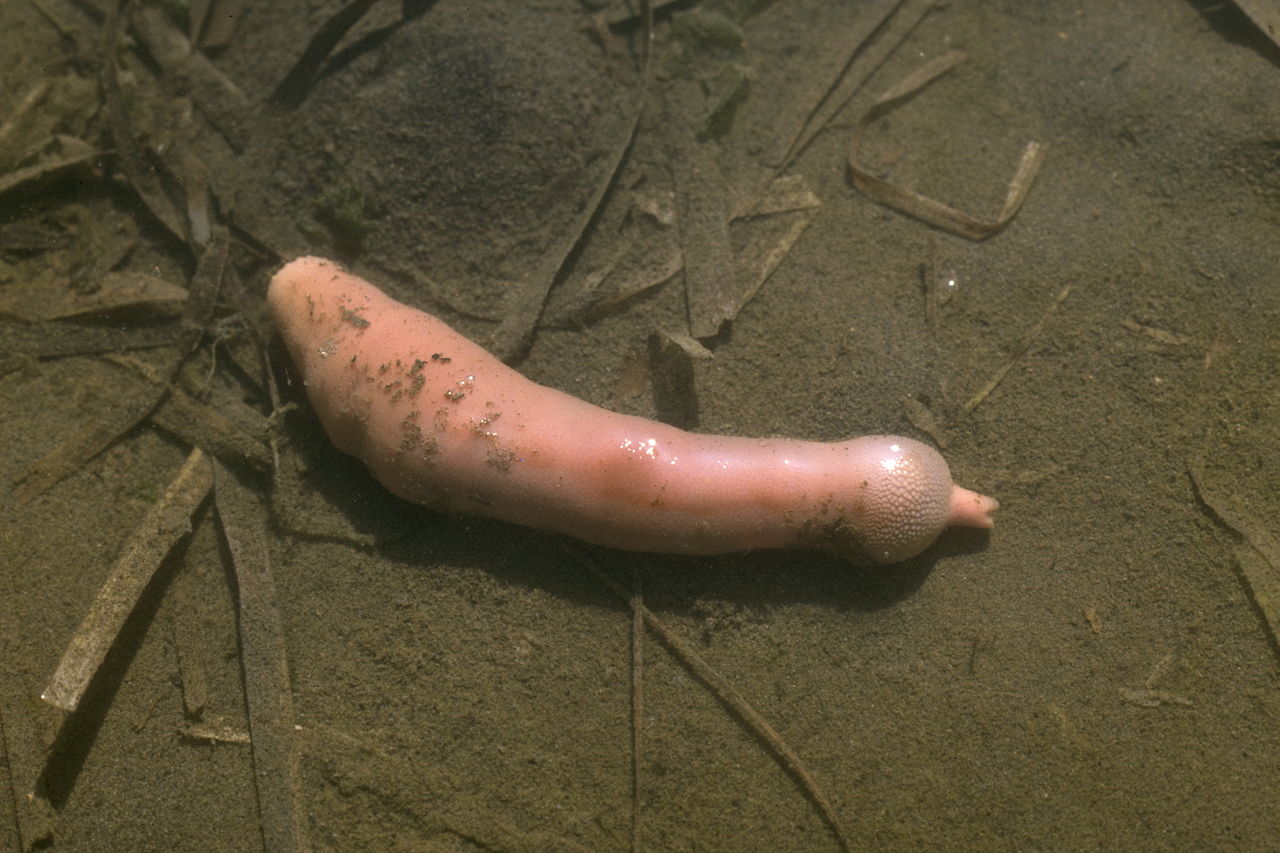


Anatomy and lifestyle
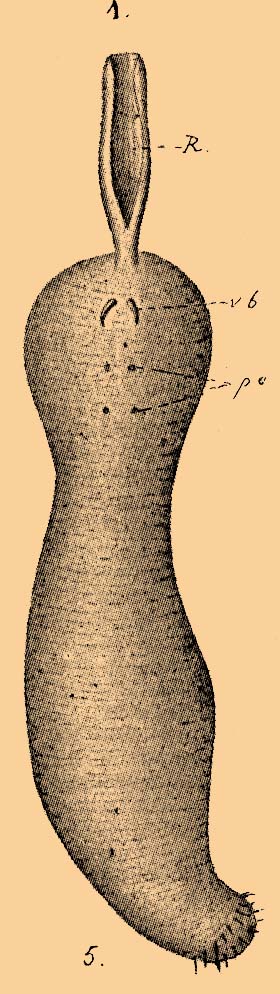
Echiurans have a simple body plan: an elongated, unsegmented trunk and a non-retractable or partly retractable proboscis (sometimes called an introvert). The proboscis is used for gathering food and manipulating sediment. Most species are deposit feeders that sweep detritus and organic particles toward the mouth; some also capture suspended particles. Many live in U-shaped burrows in mud or sand, while others occupy rock crevices or build simple mucous tubes.
- Body: unsegmented trunk plus anterior proboscis
- Feeding: deposit and suspension feeding
- Habitat: intertidal to deep-sea sediments, burrows, tubes
- Size: ranges from a few millimetres to many centimetres
Reproduction and development
Reproductive strategies among echiurans vary. Many species are dioecious and release eggs and sperm into the water column for external fertilization, producing planktonic larvae that undergo several developmental stages before settling. Some echiurans show marked sexual dimorphism: a well-known example is the genus Bonellia, in which females grow substantially larger while tiny males may live attached to or inside the female. These pronounced differences and varied life histories make echiurans of interest in studies of development and sexual differentiation.
Classification and evolutionary context
Because adult echiurans lack visible segmentation, early taxonomists often placed them separate from segmented worms. With improved anatomical study and, especially, molecular phylogenetics, echiurans are now generally regarded as part of the annelid radiation. DNA-based studies also group them in a broader clade that includes other formerly separated taxa such as the Sipuncula (peanut worms), underscoring how body plans can change during evolution while genetic relationships remain detectable. For contrast with traditional classifications, consult materials on annelids.
Ecological role and human relevance
Echiurans contribute to benthic ecosystem functioning through bioturbation — the mixing and aeration of sediments — and by recycling organic matter. They are prey for fish and other predators and can influence sediment chemistry and community structure where they are abundant. Although they have little direct economic importance to fisheries, echiurans are valuable in ecological and developmental research and help illustrate evolutionary transitions between segmented and unsegmented body plans.
Notable facts
The common name "spoon worms" comes from the shape and use of the proboscis in some species. The fossil record for echiurans is sparse because soft tissues do not preserve well, so their deep-time history is inferred largely from molecular clocks and comparative anatomy. Representative genera that appear in regional faunas include Bonellia and Urechis, the latter sometimes known in popular accounts for its burrow-dwelling behaviour.
For further reading and species lists, see general marine invertebrate references and curated online databases (marine animal resources, spoon worm overview, annelid context, sipunculan comparison).
Related articles
Author
AlegsaOnline.com Echiura (spoon worms): unsegmented marine worms and their biology Leandro Alegsa
URL: https://en.alegsaonline.com/art/29885
Sources
- biomedcentral.com : "Annelid phylogeny and the status of Sipuncula and Echiura"
- doi.org : 10.1186/1471-2148-7-57
- ncbi.nlm.nih.gov : 1855331
- pubmed.ncbi.nlm.nih.gov : 17411434