
Sipuncula (peanut worms) — marine unsegmented worms
Sipuncula, or peanut worms, are marine, bilaterally symmetrical worms. This article explains their anatomy, life habits, taxonomy and ecological role, and highlights key distinguishing features.
Overview
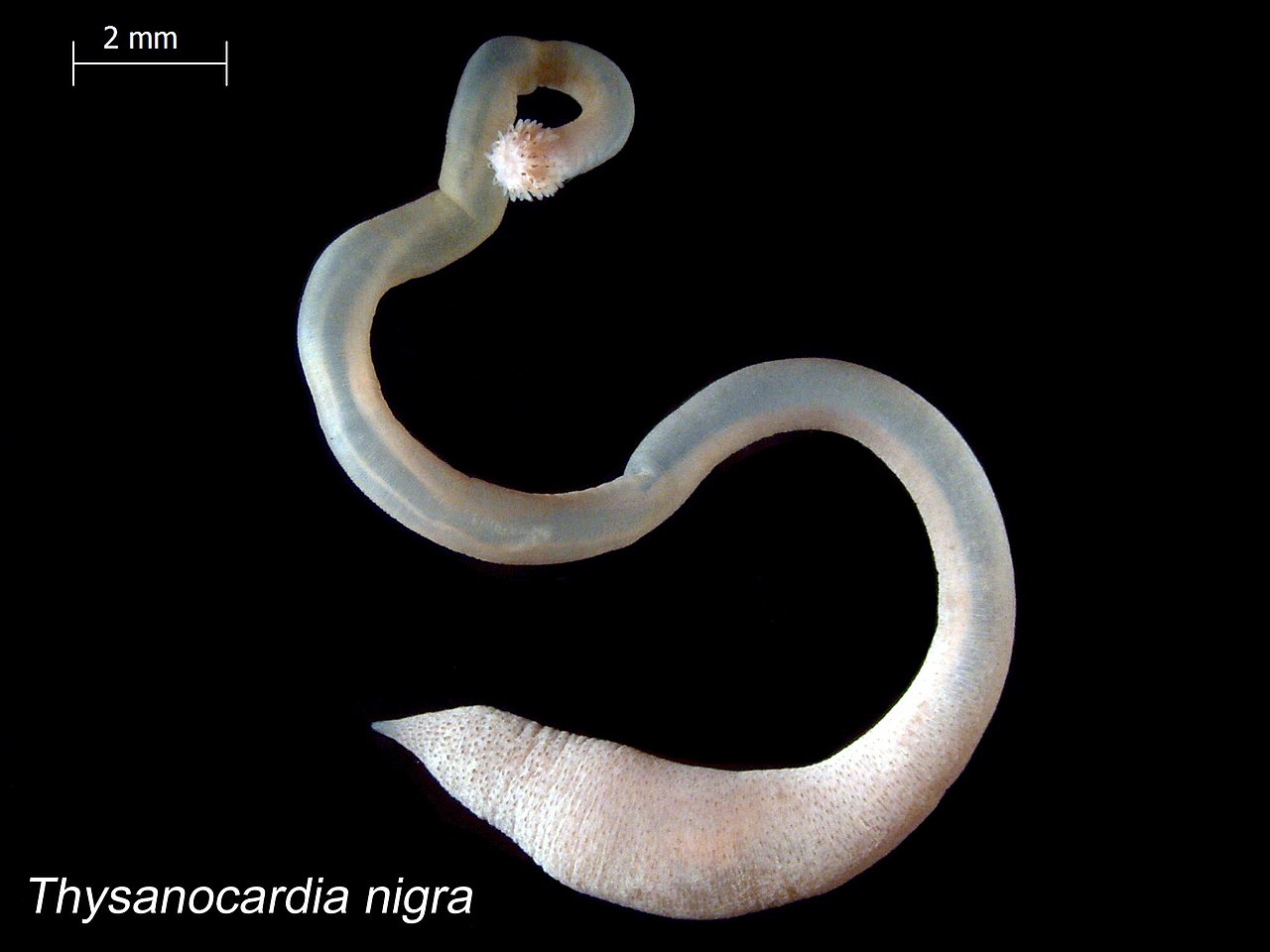
Sipunculans, commonly called peanut worms, are soft-bodied marine invertebrates characterized by bilateral symmetry and an unsegmented trunk. They occur from intertidal zones to deep sea habitats and live in burrows, crevices, or inside shells and corals. Modern treatments vary: Sipuncula is traditionally regarded as its own phylum but molecular work has led some authors to place them within Annelida as a class; see classification discussions for details. Estimates of species diversity range from about 150–320 species, depending on the source.
Image gallery
9 Images




Key characteristics
Sipunculans are unmistakable for their two-part body plan: a retractable anterior "introvert" bearing the mouth and often a crown of tentacles, and a thicker posterior trunk. Their bodies lack external segmentation (unsegmented), but contain a fluid-filled coelom and a U-shaped gut in many species. Most are detritivores or deposit feeders, extending the introvert to collect organic particles or to trap food with mucus-coated tentacles.
Anatomy and life cycle
Internal anatomy includes a digestive tract, coelomic compartments, and simple circulatory structures; nervous systems are relatively diffuse. Reproduction is typically sexual with separate sexes in many species; larvae may be planktonic in some groups or develop directly in others, enabling different dispersal strategies across habitats.
Ecology and importance
Sipunculans play roles in benthic ecosystems by bioturbating sediments, recycling nutrients, and serving as prey for fishes and crustaceans. They form commensal associations with mollusks, echinoderms, and corals in some regions. Their soft bodies result in a limited fossil record, so understanding their deep evolutionary history depends largely on molecular and embryological data.
Distinguishing facts
- Often called "peanut worms" because many species contract into a peanut-like shape when disturbed.
- Notable for an introvert that can be fully withdrawn into the trunk.
- Taxonomic placement has shifted with genetic evidence; consult specialist sources for current perspectives (see classification).
Sipunculans are a small but ecologically significant group whose simple form conceals varied life histories and a surprising phylogenetic story. For more detailed treatments, consult comprehensive reviews and databases on marine invertebrates (species listings, morphological summaries).
Questions and answers
Q: What are Sipuncula?
A: Sipuncula are a small phylum of marine worms, also known as the Sipunculida or peanut worms.
Q: Are Sipuncula segmented?
A: No, Sipuncula are unsegmented worms.
Q: How many species of Sipuncula are there?
A: Estimates vary, but there are 144-320 species of Sipuncula.
Q: Are Sipuncula bilaterally or radially symmetrical?
A: Sipuncula are bilaterally symmetrical worms.
Q: Are Sipuncula only found in marine environments?
A: Yes, Sipuncula are marine worms.
Q: Are Sipuncula a phylum or a class within the Annelida?
A: Sipuncula may be a class within the Annelida, but they are also recognized as a distinct phylum.
Q: What is another name for Sipuncula?
A: Sipuncula are also known as the Sipunculida or peanut worms.
Related articles
Author
AlegsaOnline.com Sipuncula (peanut worms) — marine unsegmented worms Leandro Alegsa
URL: https://en.alegsaonline.com/art/90733