
Edible dormouse (Glis glis): overview, behaviour, history and human interactions
Comprehensive encyclopedia entry on the edible dormouse (Glis glis): appearance, behaviour, diet, hibernation, distribution, human uses from Roman times to modern management, introductions and legal status.
Overview
The edible dormouse, also called the fat dormouse (Glis glis), is a nocturnal, arboreal rodent of the family Gliridae. It is the largest dormouse species found in Europe and the only living member of the genus Glis. The common English name refers to a long history of the species being kept and eaten by people, a practice recorded since classical antiquity.
Image gallery
8 Images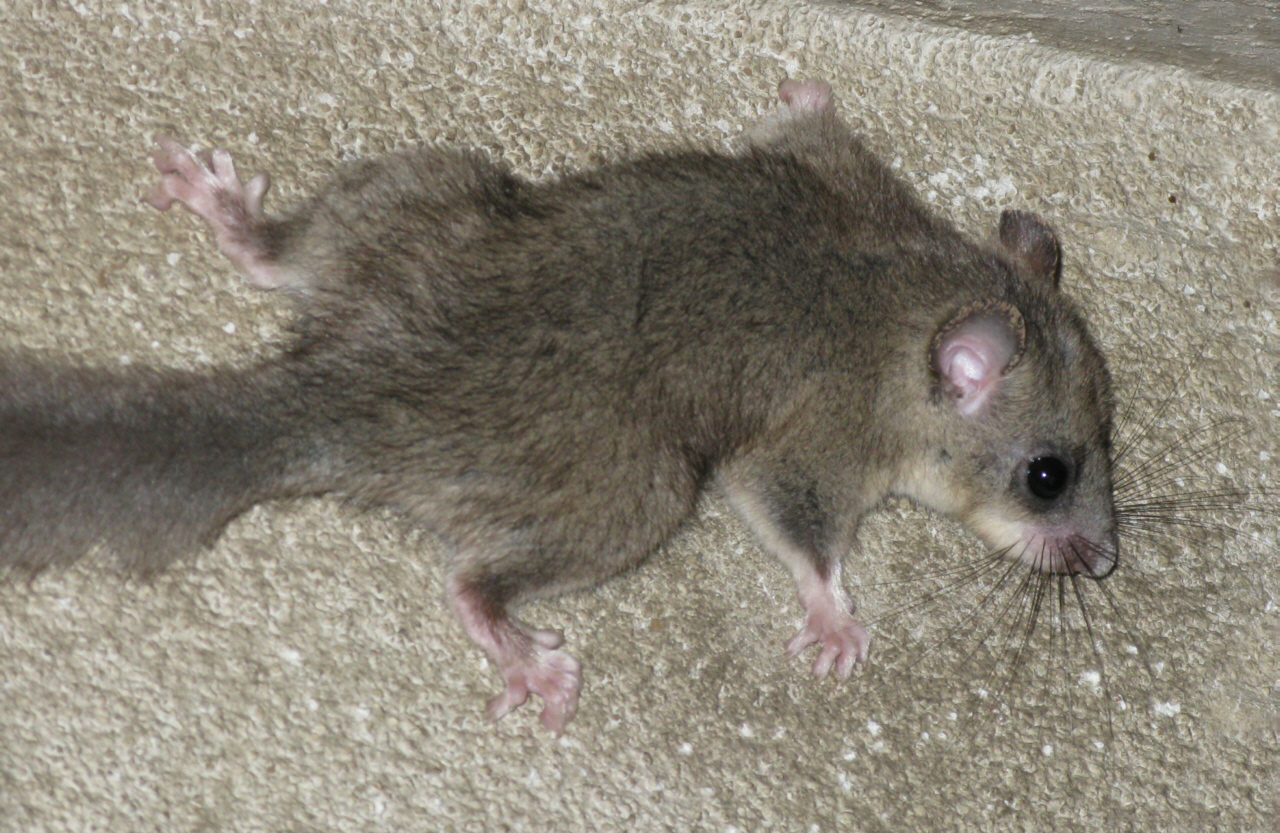



Taxonomy and identification
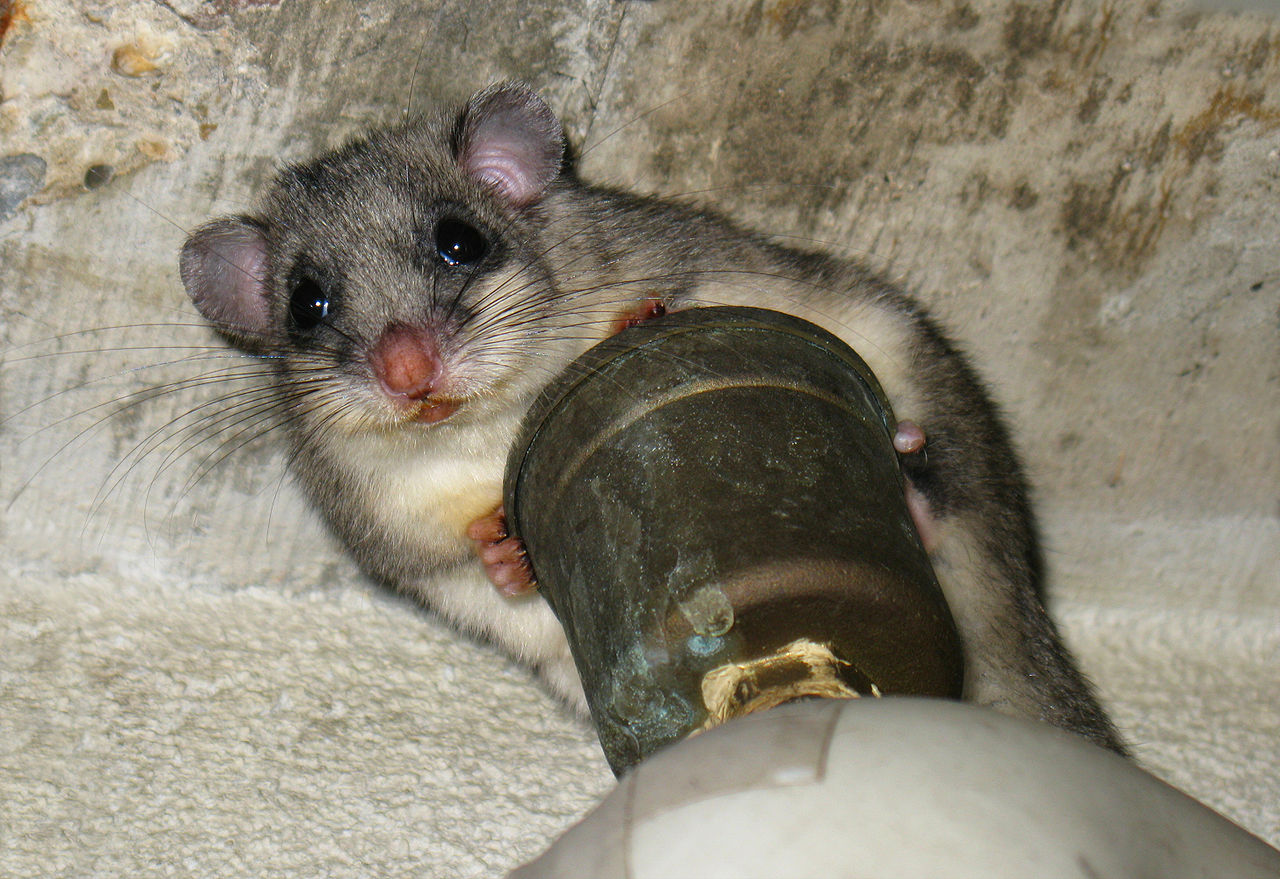
The edible dormouse belongs to the family Gliridae, which contains several genera of dormice. Within its range it is typically recognised by a robust body, a relatively short and bushy tail compared with some other small rodents, and dense fur that ranges from greyish to brown. It can be distinguished from some other small mammals by its large eyes, rounded ears and climbing adaptations for an arboreal life.
Behaviour and activity
Edible dormice are primarily nocturnal and spend much of their time in trees. They are proficient climbers and use natural cavities, fallen wood and nest boxes for shelter. Outside the breeding season they often rest hidden in dense cover. The species is capable of pronounced torpor and prolonged hibernation, which reduces metabolic rate and helps individuals survive periods of food shortage and cold.
Diet and ecological role
The diet of the edible dormouse is largely plant-based: seeds, nuts (including beech and oak mast), fruits and buds form the main food items. They will also take invertebrates opportunistically. As seed predators they can influence regeneration of trees and shrubs, and in some cases act as occasional seed dispersers. Predators include owls and mammalian carnivores that hunt at night or search tree cavities.
Reproduction and population dynamics
Reproduction is tightly linked to food availability. In years with abundant mast (heavy seed production by trees) dormice are more likely to breed and raise young successfully; in poor mast years breeding may be reduced or skipped altogether. Females give birth to litters of several young and raise one or more litters in favourable seasons. Juvenile survival and population fluctuations therefore follow cycles of tree seed production.
Distribution and habitats
The edible dormouse is native to much of temperate Europe and prefers mixed and deciduous woodland where canopy cover, tree hollows and abundant mast provide shelter and food. It is adaptable within wooded environments and may use gardens, orchards and parks where conditions are suitable. It is classified at global level as of least concern, though local situations vary.
Human use and cultural history
Human interaction with the species has a long history. Ancient Romans are known to have kept and fattened dormice in specialised pots or pits called gliraria for consumption as a delicacy. In parts of central and southeastern Europe, including regions of Slovenia, trapping and eating dormice is part of traditional rural practice and has been documented in historical records for many centuries. Fur and even the animal's fat have been mentioned in old documents for clothing or medicinal uses.
Introductions, pest status and legal considerations
The edible dormouse has been accidentally introduced outside its native range. A well known introduction occurred in southern England after some individuals escaped from a private collection in the early 20th century; a resident population persists in the area around Tring and nearby towns. Where populations are non-native or cause damage to fruit trees or buildings they may be regarded as pests. Local legislation in some countries regulates methods of control and removal; for example, in the United Kingdom certain ways of killing or removing animals are restricted and professional licences may be required to handle or relocate them.
Conservation and management
At a broad scale the species is not considered threatened, but conservation attention focuses on habitat quality and local population trends. Management in areas where the dormouse is introduced or in conflict with human interests typically favours humane, regulated approaches and may require permits. Research continues into the species' ecology, the impacts of fluctuating food supplies and best practices for coexistence where humans and dormice share the landscape.
Notable facts
- The name "edible dormouse" reflects historical use rather than a modern dietary recommendation.
- Its life cycle is closely tied to mast years; population size can vary markedly between years.
- Extended hibernation and episodes of torpor are important for surviving winters and food-scarce periods.
- Introduced populations can persist for many decades if local habitat suits their needs.
Further reading and source anchors
- Species overview and common names
- Genus and taxonomic position
- Genus Glis information
- Roman accounts and historical use
- Culinary contexts and traditional snacks
- Gliraria and Roman containers
- Comparisons with modern small mammal housing
- Slovenian traditions involving dormice
- Use for fur and other historical products
- Medieval and early documents mentioning dormice
- Historical medicinal uses of dormouse fat
- Subsistence use by rural communities
- Nutritional notes and food value
- European distribution maps and habitat descriptions
- Accidental introductions and escape events
- Introduction pathways and records
- Tring population history and records
- United Kingdom context and local reports
- Localities near Beaconsfield and surrounding areas
- Localities near Aylesbury and surrounding areas
- Localities near Luton and surrounding areas
- Wildlife and Countryside Act 1981 (UK regulations)
- Licensing and control measures for removal
For additional detail consult comprehensive mammal guides, regional wildlife agencies and peer-reviewed studies on dormouse ecology and management. The information above summarises widely documented aspects of Glis glis while avoiding unverified specifics.
Questions and answers
Q: What is the edible dormouse?
A: The edible dormouse is a small species of dormouse and the only species in the genus Glis. It is also known as the fat dormouse, and it is one of the largest dormice in Europe.
Q: How did ancient Romans use them?
A: The ancient Romans used to breed them to be eaten, usually as a snack, which is why it has "edible" in its name.
Q: Where are wild edible dormice still eaten today?
A: Wild edible dormice are still eaten in Slovenia, and trapping them for food and fur is a Slovenian tradition.
Q: Who introduced this animal to England?
A: This animal was accidentally introduced to England after some escaped from Lionel Walter Rothschild's private collection in 1902.
Q: How many British edible dormice exist today?
A: There are approximately 10,000 British edible dormice living within a 200-square-mile (520 km2) triangle between Beaconsfield, Aylesbury and Luton.
Q: Is this animal seen as a pest by some people?
A: Yes, this animal is seen as a pest by some people. In the United Kingdom there are laws that do not allow certain ways of killing them, and removing them from an area may require a license.
Q: Why would poor peasants eat these during winter?
A: Poor peasants would eat these during winter because they provide good protein sources when food was scarce or hard to come by.
Related articles
Author
AlegsaOnline.com Edible dormouse (Glis glis): overview, behaviour, history and human interactions Leandro Alegsa
URL: https://en.alegsaonline.com/art/30130
Sources
- penelope.uchicago.edu : Glirarium
- glirarium.org : Dormouse hunting in Slovenian tradition
- dailymail.co.uk : "Invasion of the glis glis"
- naturalengland.org.uk : "Edible Dormice (Glis glis)"
- amersham.org.uk : The Glis glis around Amersham
- iucnredlist.org : "Glis glis"