
Eastern redbud (Cercis canadensis)
Deciduous small tree or large shrub native to eastern North America, noted for early pea‑like pink blossoms, heart-shaped leaves, and frequent use as an ornamental and understory tree.
Overview
Cercis canadensis, commonly called the eastern redbud, is a deciduous member of the legume family valued for its spring flowers and attractive form. It grows as a large shrub or a small tree native to eastern North America, ranging from southern Ontario, Canada, south to northern Florida in the United States. The eastern redbud is also recognized as the state tree of Oklahoma.
Image gallery
9 Images


Characteristics
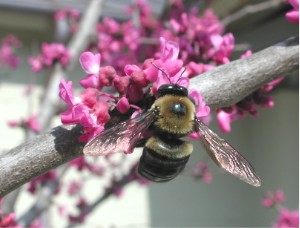
The species typically reaches 6–9 meters in cultivation with a rounded crown. Leaves are broadly heart-shaped and appear after the flowers. In early spring, short clusters of pea-like flowers in shades of pink to magenta appear on bare twigs and older branches, a trait called cauliflory. Flowers develop into flattened legume pods that persist into autumn.
Uses and cultivation
Ornamental value: Eastern redbud is widely planted in parks, gardens and as a street tree for its early-season bloom and attractive foliage. It adapts to a range of soils and grows in full sun to partial shade, making it suitable as an understory tree beneath larger canopies.
- Propagation: readily grown from seed or from nursery stock; many cultivated selections are grafted.
- Maintenance: generally low; benefits from regular watering when young and good site drainage.
- Culinary note: flowers are edible and sometimes used raw in salads or candied in regional cuisines.
History, cultivars and notable facts
Although native to eastern North America, the eastern redbud is also used in landscapes worldwide. Several cultivars have been selected for leaf color, flower intensity and growth habit; a few purple‑leaf forms are popular in ornamental plantings. As a member of the pea family, it produces pods but is not typically used as a crop.
Distinguishing features and concerns
The eastern redbud is often compared with the European Judas tree (Cercis siliquastrum) and western redbud species; differences are most apparent in flowering time, leaf size and regional hardiness. Pests and diseases can include cankers and soil-borne fungi such as verticillium wilt; careful siting and sanitation help reduce risks. Its combination of early bloom, heart-shaped leaves and manageable size make it a popular choice for seasonal interest in temperate landscapes.
Related articles
Author
AlegsaOnline.com Eastern redbud (Cercis canadensis) Leandro Alegsa
URL: https://en.alegsaonline.com/art/29772
Sources
- iucnredlist.org : Cercis canadensis