
Embryophyte (land plants)
Embryophytes are land plants that develop a multicellular embryo retained by the parent plant. They include mosses, ferns, gymnosperms and flowering plants and evolved from green algae before colonizing land.
Overview
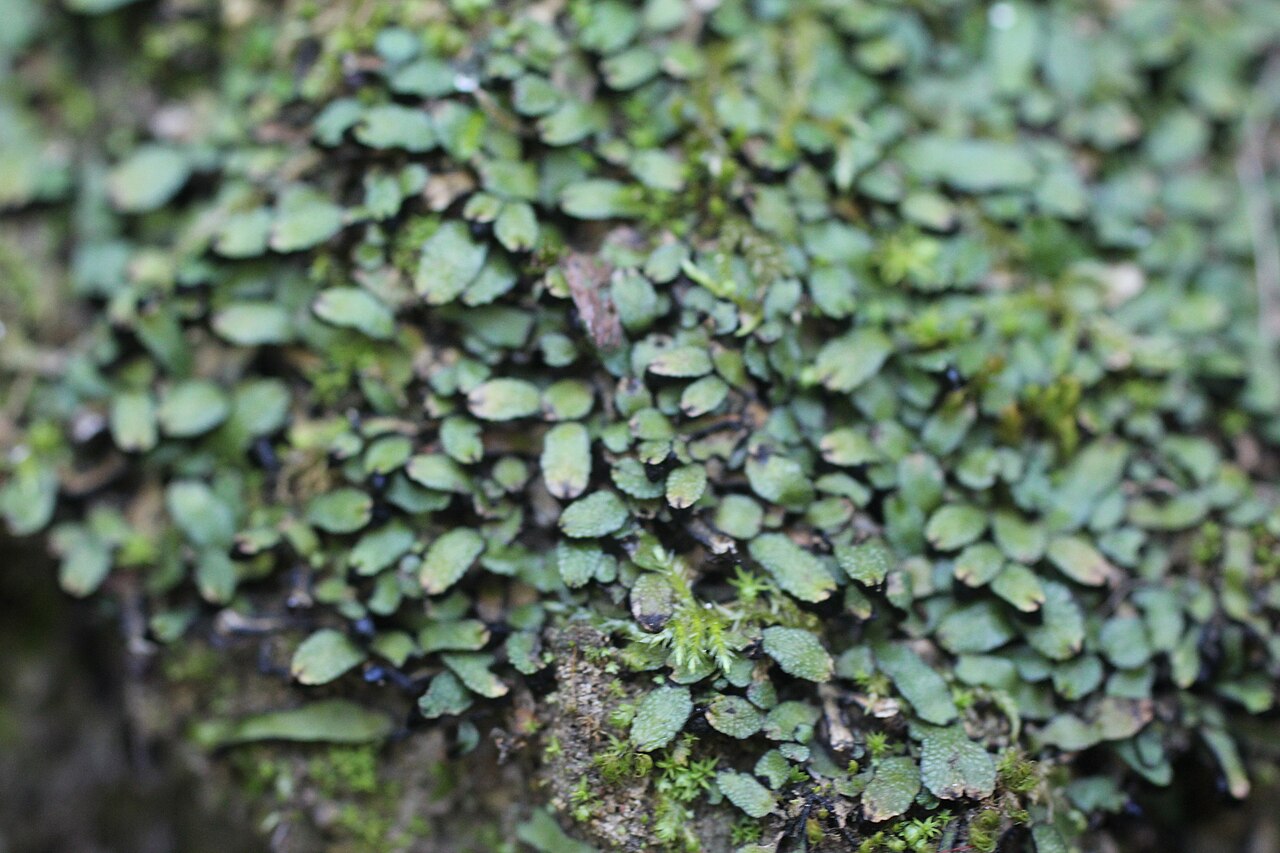
Embryophytes, commonly called land plants, form the familiar green flora that dominates terrestrial ecosystems. This assemblage includes non-vascular groups such as mosses and liverworts, and vascular lineages ranging from ferns to seed plants (gymnosperms and angiosperms). Conceptually, embryophytes can be seen as the Viridiplantae except for many forms traditionally treated as algae. A fundamental feature uniting the group is the production of a multicellular embryo that is retained and nourished by the parent generation.
Image gallery
10 Images




Key characteristics
Embryophytes share several adaptations to life on land: a protective cuticle that reduces water loss, stomata that regulate gas exchange, and reproductive strategies that do not rely solely on free water. Most have an alternation of generations with distinct multicellular gametophyte and sporophyte phases. In many lineages the sporophyte becomes dominant, but in bryophytes the gametophyte remains the larger, longer-lived stage. Vascular tissues (xylem and phloem) evolved in some groups to transport water and nutrients, enabling greater size and diversity.
Evolution and fossil record
Embryophytes arose from freshwater green algal ancestors and made the transition to land early in Earth history. Evidence suggests they diverged from their algal relatives sometime between the mid-Cambrian and the Ordovician periods. Their nearest living relatives among algae are streptophyte or charophyte groups often referred to broadly as green algae. Fossils and chemical traces document progressive acquisition of terrestrial adaptations such as spores, cuticles and conducting tissues.
Classification and major groups
- Bryophytes — non-vascular plants including mosses, liverworts and hornworts; retain prominent gametophytes.
- Vascular plants — plants with xylem and phloem, including lycophytes, ferns (monilophytes), gymnosperms and angiosperms.
Ecological roles and human uses
Embryophytes transformed terrestrial environments: they stabilized soils, contributed to the formation of early soils and altered atmospheric composition. Today they are primary producers in nearly all land ecosystems and provide habitats, food, fiber and medicine. Humans rely on flowering plants for crops and timber; mosses and ferns have cultural, horticultural and ecological uses as well.
Distinctions and notable facts
What distinguishes embryophytes from many algae is the retained embryo and a life cycle adapted to intermittently dry conditions. Although typically terrestrial, a few embryophyte species are secondarily aquatic. The group is central to studies of plant evolution and ecology because its innovations underpinned the spread of life across the continents.
Related articles
Author
AlegsaOnline.com Embryophyte (land plants) Leandro Alegsa
URL: https://en.alegsaonline.com/art/31096