
Endive (Cichorium endivia): types, cultivation, and culinary uses
Endive is a leafy vegetable in the Asteraceae family, valued for its crisp, often bitter leaves. Learn about its types (curly, Batavian), history, cultivation, culinary uses and how it differs from chicory.
Endive (Cichorium endivia) is a genus member of the aster family grown for its edible leaves. It forms a rosette of narrow or broad leaves and is cultivated as an annual or biennial vegetable. Gardeners and chefs prize endive for its texture and characteristic bitter notes, which can be tempered by cooking or paired with sweet and acidic dressings. For botanical context see botanical family and general references at plant resources.
Image gallery
4 Images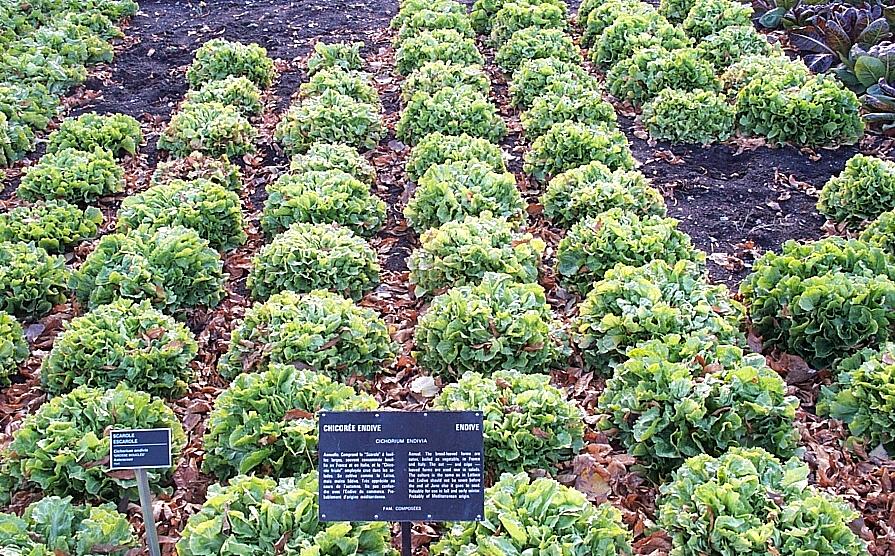


Characteristics
Endive plants produce a head or loose rosette of leaves. The leaf margin, color and degree of bitterness vary by variety. Bitterness arises from natural bitter compounds known as sesquiterpene lactones. Leaves may be narrow and finely divided or broad and more substantial; texture ranges from crisp to tender when blanched or cooked. Useful cultivation notes and identification tips appear in many horticulture guides: leaf traits.
Varieties and distinctions
- Curly-leaved endive (often called frisée) — narrow, finely cut leaves with a pronounced bitter edge.
- Broad-leaved endive (Batavian or escarole) — larger, flatter leaves with a milder flavor, often used in cooked dishes.
- Belgian endive — a pale, tightly packed head produced by forcing roots in darkness; botanically this product is related to chicory rather than to garden escarole.
These differences are important for culinary use and for avoiding confusion with other members of the Cichorieae tribe: see related plants.
History and cultivation
Native to the Mediterranean region, endive has been used as a leafy vegetable since classical times. Historical records link its cultivation to ancient gardens where its bitter leaves were appreciated as a digestif and salad green. Modern cultivation favors cool seasons; plants prefer fertile, well-drained soil and moderate moisture. Forcing and blanching techniques developed in Europe produce pale, tender heads; summaries of these methods can be found at cultivation guides and practical horticultural manuals: growing instructions.
Culinary uses and nutrition
Endive is versatile: raw leaves add crunch and bitterness to salads, while braising, grilling or sautéing softens flavor and texture. It pairs well with citrus, nuts, cheeses and sweet dressings that balance its bitterness. Nutritionally, endive is low in calories and supplies dietary fiber and micronutrients such as vitamins and minerals typical of leafy vegetables; roots of related chicory species also contain inulin, a fermentable fiber used commercially.
Notable facts and practical notes: endive is often confused with chicory and radicchio; careful naming helps in recipes and gardening. For further reading and comparisons see reference comparisons.
Related articles
Author
AlegsaOnline.com Endive (Cichorium endivia): types, cultivation, and culinary uses Leandro Alegsa
URL: https://en.alegsaonline.com/art/31377