
Ebenaceae: the ebony and persimmon family of flowering plants
Ebenaceae is a family of mostly evergreen trees and shrubs including ebony timbers and persimmon fruits; about 500 species in two genera, native mainly to tropical and subtropical regions.
The Ebenaceae are a small family of flowering plants widely known for ebony timber and persimmon fruit. The family contains roughly 500 species grouped mainly in two genera. Members are primarily woody—trees and shrubs—and occur mostly in tropical and subtropical regions, with a few species extending into temperate zones. For general context see flowering plant families and botanical summaries at plant reference sites.
Image gallery
6 Images

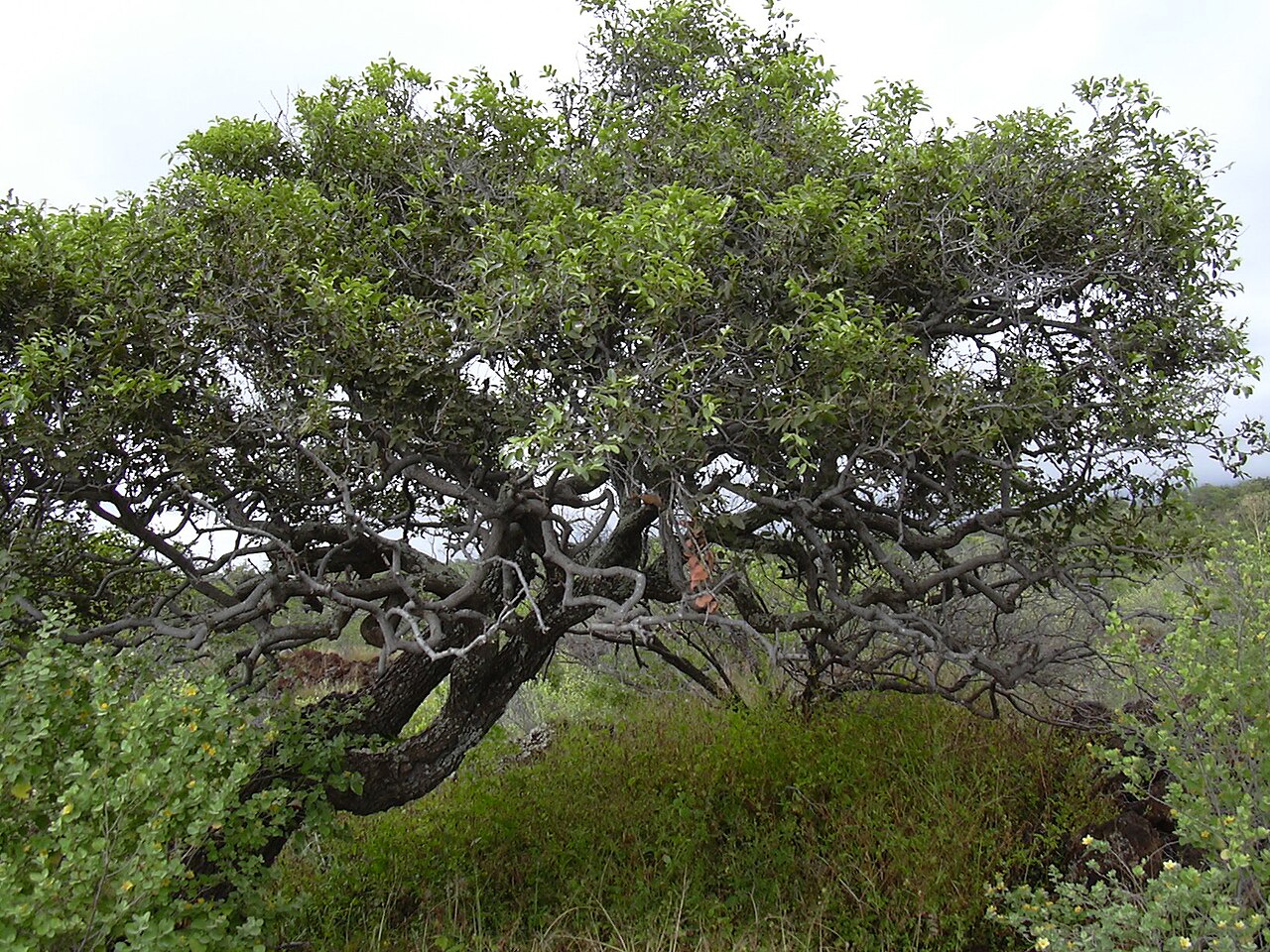

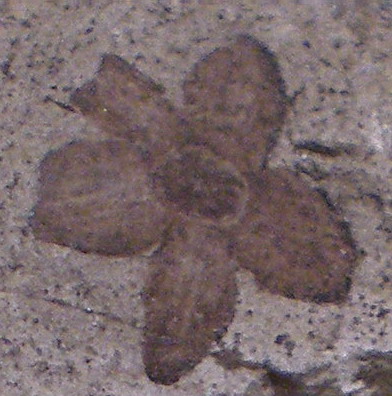

Diagnostic characteristics
Plants in Ebenaceae typically have simple, alternate leaves and produce unremarkable flowers that are often unisexual; many species are dioecious, with male and female flowers on separate plants. Fruits are fleshy berries in most Diospyros species. A distinctive feature of the family is a persistent calyx that remains attached to the ripening fruit, which helps distinguish them in the field. For morphological details consult morphology guides and family descriptions at taxonomic resources.
Major genera and distribution
The genus Diospyros accounts for the great majority of species (around 450–500) and has a pantropical distribution, with the greatest diversity in Southeast Asia. It includes well-known species cultivated for fruit, such as the Oriental persimmon, and many timber-producing trees. The smaller genus Euclea comprises about 20 species native to Africa, the Comoro Islands, and parts of Arabia. Regional floras and checklists provide more precise ranges: Diospyros overview, Euclea overview, and distribution summaries at regional plant databases and conservation portals.
Uses and cultural importance
Several species are economically important. Ebony refers to the very dense, dark heartwood produced by a number of Diospyros species; it has long been prized for fine furniture, musical instrument parts, and ornamental inlay because of its deep black color and hardness. Persimmons (Diospyros spp.) are cultivated and eaten fresh, dried or cooked in many countries. Local communities also use various Ebenaceae species for fuel, timber, and traditional purposes; see applied references at wood use resources and horticultural references.
Notable facts and conservation
- Heartwood color and density: many species yield very dark, compact timber valued worldwide.
- Reproductive biology: dioecy in many species affects cultivation and wild population dynamics.
- Conservation issues: overharvesting for ebony and habitat loss have threatened some species; sustainable management and cultivation of fruit-producing species help reduce pressure on wild stands.
Taxonomically, Ebenaceae has been stable as a family in modern classifications, but relationships within the family continue to be refined by botanical research. For further reading consult family treatments, floras and specialists' accounts accessible via the links above and regional botanical literature.
Related articles
Author
AlegsaOnline.com Ebenaceae: the ebony and persimmon family of flowering plants Leandro Alegsa
URL: https://en.alegsaonline.com/art/29827