
Textbook: Definition, Types, History, and Educational Role
Comprehensive overview of textbooks: what they are, common formats and parts, history of use in education, how they are used today, and distinctions between related materials.
Overview
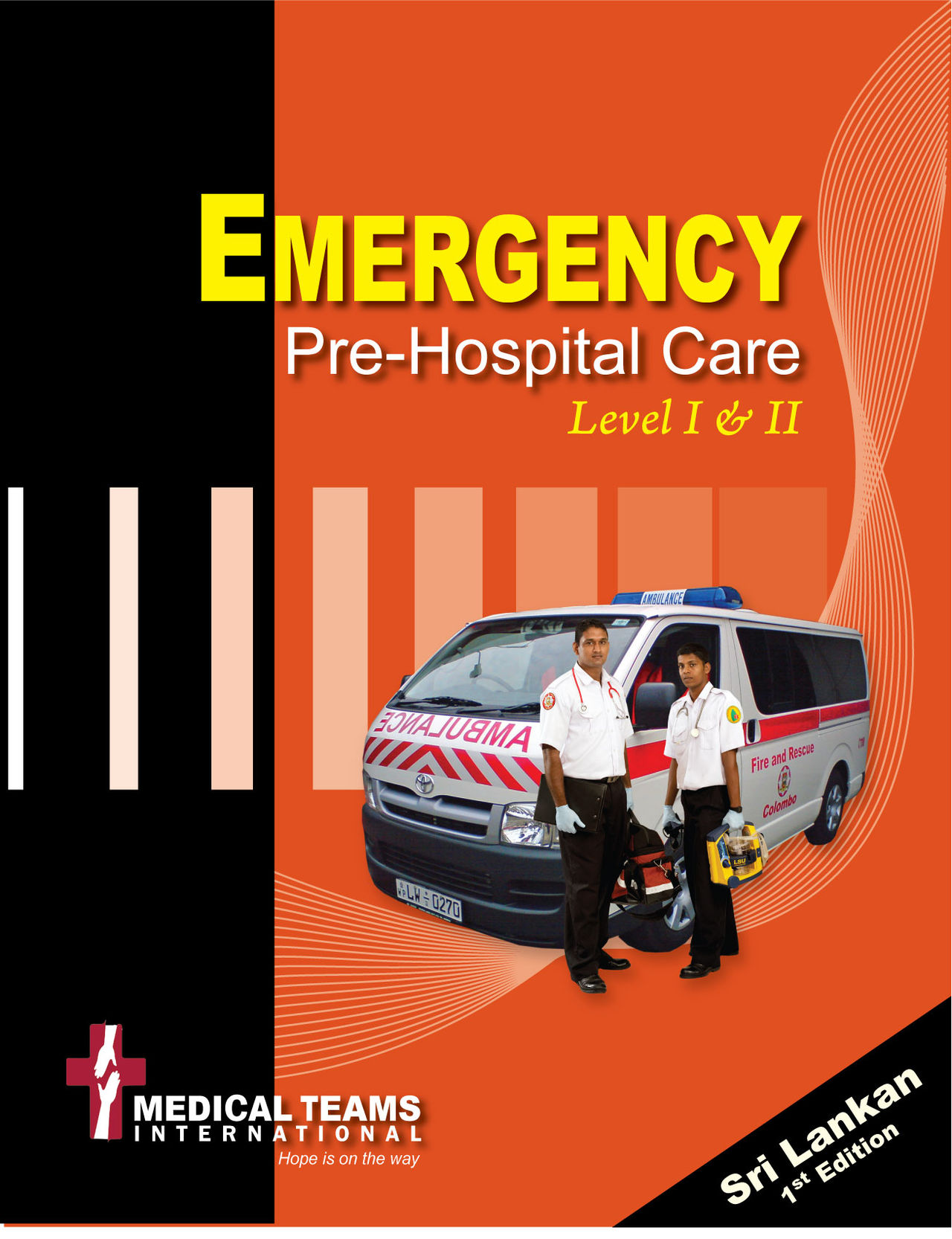
A textbook is a book written to present a subject systematically for study and instruction. Textbooks aim to introduce core facts, concepts, and methods in a way that supports learning and classroom teaching. Many include summaries, worked examples, review questions and references so learners can test understanding and practice skills. For a concise definition or further reading, see a standard reference on instructional materials via subject-specific resources.
Image gallery
5 Images


Structure and common types
Contemporary textbooks vary in organization but commonly contain chapters that progress from basic to advanced topics, boxed definitions, illustrations, and exercises. Different formats serve distinct purposes:
- Core textbooks: Comprehensive volumes used to support a course syllabus and classroom instruction.
- Workbooks: Focused primarily on exercises and practice problems; intended to reinforce skills rather than present full explanations.
- Revision guides and summaries: Concise reviews used to refresh knowledge and prepare for examinations or assessments.
- Reference textbooks: Broad surveys or handbooks consulted for facts or specific techniques rather than read cover-to-cover.
Textbooks often combine explanatory text with questions and problems; they are tools to help learners absorb facts and methods for a subject area, such as those described in general learning resources at learning guides.
History and development
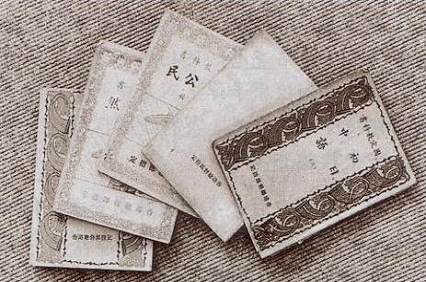
The use of written instructional texts dates back millennia, but the modern concept of the school textbook developed alongside mass education systems in the 18th–20th centuries. Industrial printing, standard curricula and public schooling increased demand for standardized texts. Over recent decades, textbooks have evolved from single-author printed volumes to multi-author compilations and digital editions. Digital and open educational resources have expanded access and allowed more frequent updates than traditional print editions.
How textbooks are used in education
Institutions and students obtain textbooks in several ways: schools often lend or provide core texts for class use, while higher education students may need to acquire titles independently. Libraries and online repositories also supply copies for borrowing or reference. For typical institutional practices, educators and administrators consult procurement guidelines such as those linked at school textbook policies and university textbook guidance.
When preparing for exams, learners frequently turn to concentrated revision materials and practice collections; curated exam-prep resources illustrate common question formats and topics to revise before assessments. Public and academic libraries remain important sources for borrowing or consulting textbooks; see local library services and catalogues at library information.
Distinctions and notable points
Textbooks are distinct from popular non-fiction, novels, or purely research-oriented monographs by their instructional intent and alignment with teaching objectives. Editions may be updated to reflect new knowledge, pedagogical approaches, or curriculum changes. Instructors sometimes supplement a required textbook with primary sources, journal articles, or online modules to address gaps or present recent developments.
In summary, textbooks remain central to structured learning: they synthesize subject matter, provide organized pathways for study, and offer practice opportunities that support both teaching and independent learning.
Related articles
Author
AlegsaOnline.com Textbook: Definition, Types, History, and Educational Role Leandro Alegsa
URL: https://en.alegsaonline.com/art/97317