
Ducat
A ducat is a historical European coin, best known as a widely circulated gold trade coin popularized by medieval Venice; it influenced trade, minting practice and numismatics until World War I.
The ducat is a historic European coin that played a significant role in long-distance trade and finance from the Middle Ages into the early 20th century. The name was applied to several issues in different metals and by different polities, but it most commonly refers to a high‑purity gold trade coin that became widely accepted across regional and international markets. Because of its consistent appearance and trusted metal content, the ducat often served as a medium of exchange, a store of value and a unit referenced in commercial accounts.
Image gallery
10 Images


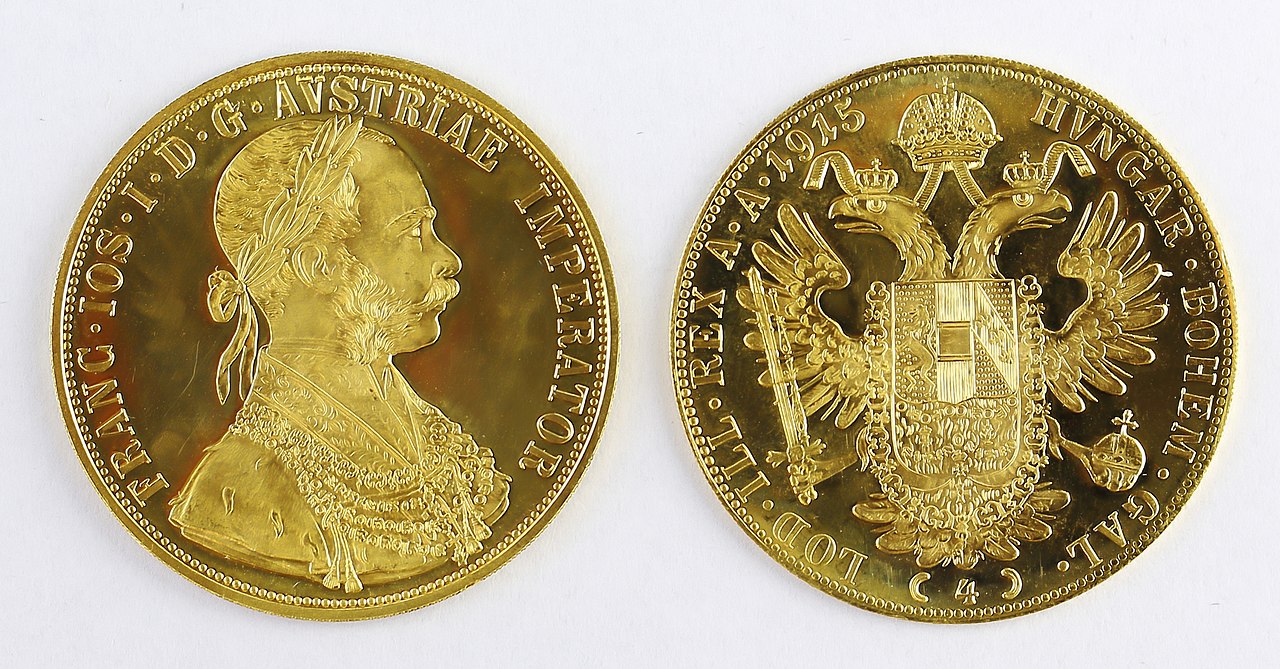


Origins and early development
Early coins called ducats appeared in the 12th century; one of the first known issues was a silver piece struck during the reign of Roger II of Sicily. The most influential development came in northern Italy when the Republic of Venice began striking a gold ducat in the late 13th century. That Venetian gold ducat was widely imitated because it combined recognisable imagery with dependable gold content, which encouraged its use well beyond Venice’s own territories.
Characteristics and varieties
Ducats were issued in several designs and standards by many states and cities. Typical features that gave them international credibility were a consistent weight, clearly identifiable motifs or inscriptions, and a high gold content relative to contemporary coinage. Over time states adapted the basic concept to local styles and symbols, producing issues that circulated regionally or more broadly. Some later issues and restrikes also served as presentation pieces or bullion rather than everyday small change.
Economic role and circulation
Because of their trustworthiness, ducats were favoured for cross‑border trade, bullion holdings in treasuries, and payments where silver coinage was less convenient. They turn up frequently in merchant account books, hoards and diplomatic gifts. Scholars use ducats as evidence of trade routes, minting practice and economic relationships across Europe and the Mediterranean. General studies of European circulation consider the ducat alongside other long‑lived trade coins.
Value, legacy and collecting
Into the early 20th century a single historic ducat still represented a meaningful sum: contemporary comparisons placed it at about nine shillings and fourpence, or a little over four United States dollars. Many countries, including Austria and a number of modern mints, have produced restrikes or commemorative ducats in later centuries, so collectors and museums can study both original circulation pieces and later issues. For broader context see treatments that cover the gold ducat and its use in trade up to World War I.
- Originally applied to silver and gold coins; gold ducats are the best known.
- Venetian issues established standards imitated elsewhere.
- Ducats illustrate pre‑modern monetary trust and international commerce.
Today the ducat is primarily of interest to numismatists, economic historians and curators. Its study sheds light on minting technology, iconography, and the mechanics of medieval and early modern trade, while modern restrikes preserve the visual and cultural identity of a long‑running monetary form.
Related articles
Author
AlegsaOnline.com Ducat Leandro Alegsa
URL: https://en.alegsaonline.com/art/29105
Sources
- taxfreegold.co.uk : "Austrian Gold One Ducat Coins"