
Economic development: concepts, measures, and main drivers
Overview of economic development: what it is, how it is measured, major components and drivers, a brief historical perspective, common policies and persistent challenges facing countries.
Overview
Economic development refers to the sustained improvement in the material well‑being and quality of life of a population. It goes beyond short‑term growth in output to include long‑run changes in incomes, employment, health, education, and the capacity of an economy to meet citizens' needs. Analysts distinguish development from mere increases in gross domestic product because development implies structural change and broader social progress.
Image gallery
4 Images


Key characteristics and measures
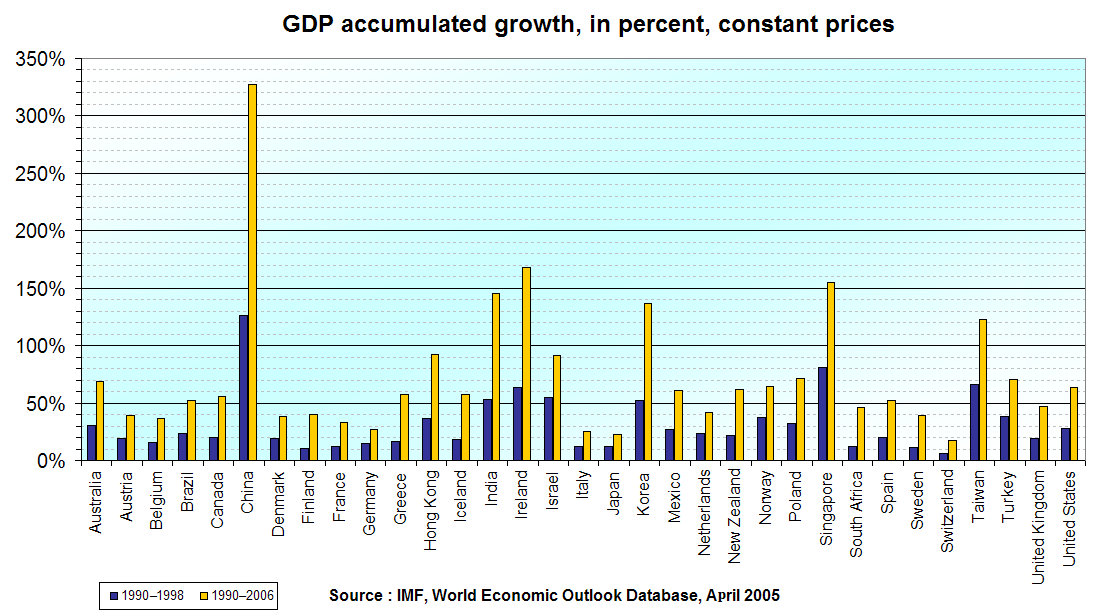
Scholars and policymakers use several indicators to describe economic development. Common quantitative measures include GDP per capita and growth rates, while composite indices such as the Human Development Index combine income with health and education outcomes. Other features of a developing economy may include shifts from agriculture to manufacturing and services, rising urbanization, improvements in productivity, and greater access to basic services.
Main drivers and components
Economic development emerges from interactions among many forces. Important components are:
- Human capital: education, skills, and population health that make labor more productive.
- Physical capital and infrastructure: roads, power, communication and machinery that support production.
- Technology and innovation: adoption of new methods and diffusion of knowledge.
- Institutions and governance: legal systems, property rights, and public policies that shape incentives.
- Capital flows and markets: domestic investment, access to credit, trade, and foreign direct investment; researchers study why investors place money in some places more than others, often linking decisions to risk, expected returns, and institutional factors (sources on investment motivations).
Historical development
The concept of economic development has evolved in parallel with industrialization and globalization. The earliest sustained rises in productivity occurred during and after the Industrial Revolution when new technologies increased output per worker. In the twentieth century, many countries pursued development strategies focused on industrial policy, land reform, education, and infrastructure. International institutions and cross‑border trade also shaped trajectories of development in different regions.
Policies, actors, and examples
Governments, businesses, civil society, and international organizations all play roles. Policy tools include investment in education and health, public infrastructure, regulatory reform, and targeted support for industries. Examples often cited in comparative studies include economies that transformed through export‑oriented manufacturing, service specialization, or natural resource management combined with strong institutions.
Challenges and notable distinctions
Development is uneven: countries face differing constraints such as geographic disadvantages, weak institutions, conflict, or inequality that can hinder progress. Sustainable development adds environmental limits and social inclusion to the agenda, emphasizing that long‑term improvement requires managing resources and distributing gains equitably. Understanding economic development therefore demands attention to economic indicators, social outcomes, institutional context, and historical experience.
Questions and answers
Q: What is economic development?
A: Economic development is the growth of a nation's standard of living from a poor economy to a high-income economy, improving the local quality of life in the process.
Q: What is studied by social scientists studying economic development?
A: Social scientists studying economic development look at how it is discussed by historians, how it is happening nowadays, why people invest more money in some places than others, and why people are better at making things to sell in some countries rather than others.
Q: How is economic development measured?
A: Economic development is measured by the growth of a nation's standard of living, which can be quantified using various indicators, such as GDP, GNP, or the Human Development Index.
Q: How does economic development impact the quality of life?
A: Economic development leads to an improvement in the local quality of life, providing individuals with access to better healthcare, education, and other basic needs and services.
Q: What are the benefits of economic development?
A: The benefits of economic development include increased job opportunities, higher income levels, greater access to resources and services, improved infrastructure, and a better standard of living.
Q: Why do people invest more money in some places than in others?
A: People invest more money in some places than in others because of factors such as political stability, favorable business environments, access to resources, and potential for economic growth.
Q: What factors affect a nation's ability to make things to sell?
A: A nation's ability to make things to sell is affected by factors such as access to skilled labor, technological advancements, natural resources, and infrastructure.
Related articles
Author
AlegsaOnline.com Economic development: concepts, measures, and main drivers Leandro Alegsa
URL: https://en.alegsaonline.com/art/29953
Sources
- www-personal.umich.edu : Deardorff's Glossary of International Economics
- books.google.com : books.google.com/books?q=theories+of+industrial+modernization+and+enterprise+development&…