
Shilling (currency unit)
A shilling is a historic and modern unit of currency used in Britain’s pre-decimal system and in several countries today. This article covers its origin, value, notation, history, and modern forms.
The shilling is a monetary unit that has existed in various forms from early medieval England to present-day East Africa. In the British pre-decimal system a shilling equalled 12 pence and there were 20 shillings to the pound. Over centuries the shilling appeared as a silver coin, later as base-metal coinage, and as the name of independent national currencies derived from colonial and regional practice.
Image gallery
10 Images




Etymology and notation
The word derives from Old English scilling, an accounting term used in Anglo-Saxon England. Its root is related to words meaning a payment or reckonable amount and it later became the standard name for a coin and unit. In everyday speech a shilling was often called a "bob." The conventional abbreviation was "s" (from the Latin name solidus for a Roman coin), and values were frequently written with a slash to separate pounds, shillings and pence—for example "1/6" meant one shilling and sixpence, while "11/-" denoted eleven shillings with no pence. In some modern African contexts the abbreviation "sh" is used.
History and standards
As coinage evolved, the shilling was struck in silver for many centuries. Major monetary reforms established formal standards: for example, after reforms in the early 19th century the weight and fineness of circulating silver coinage were fixed so that a shilling had a stable specification relative to the pound unit. With changing metal values and the decline of silver coinage, shillings were later produced in base metals. In Britain, decimalisation in 1971 abolished the pounds–shillings–pence system; the existing shilling coin was revalued as five new pence and continued in circulation until replaced by a smaller five pence coin in 1990.
Varieties and modern use
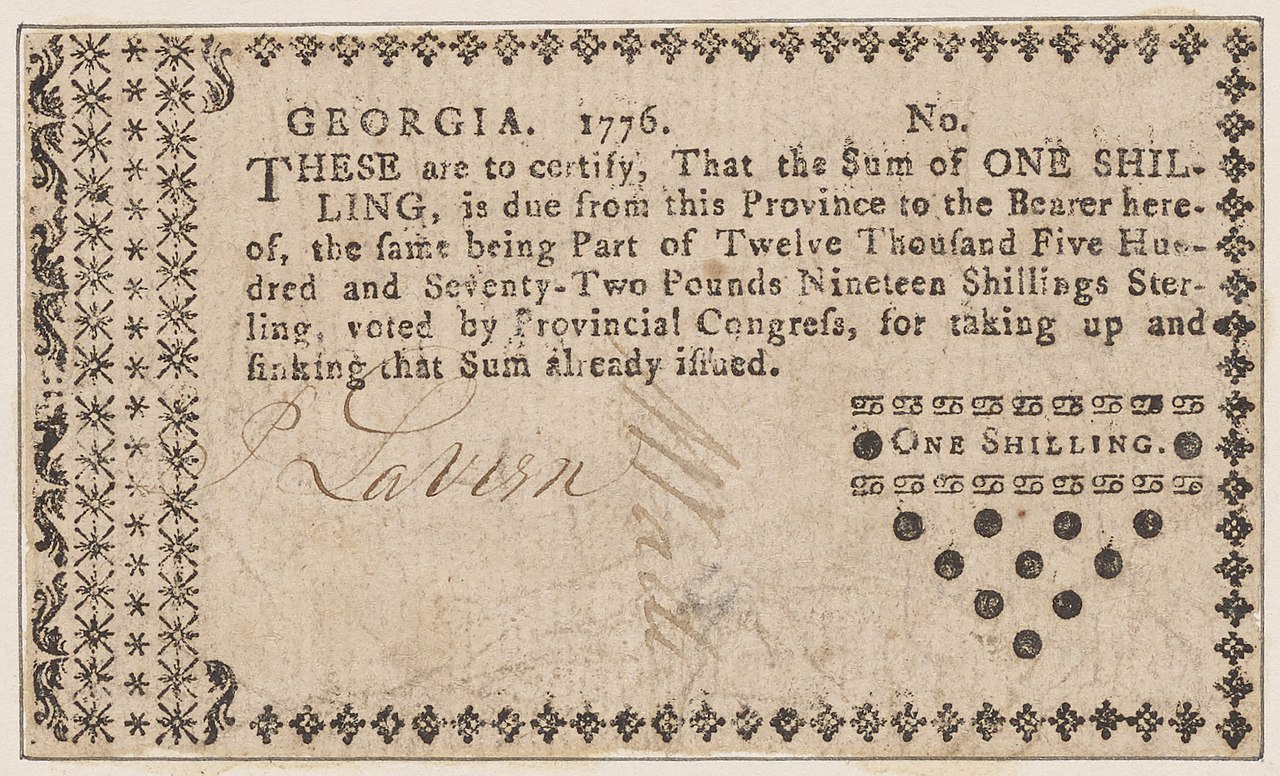
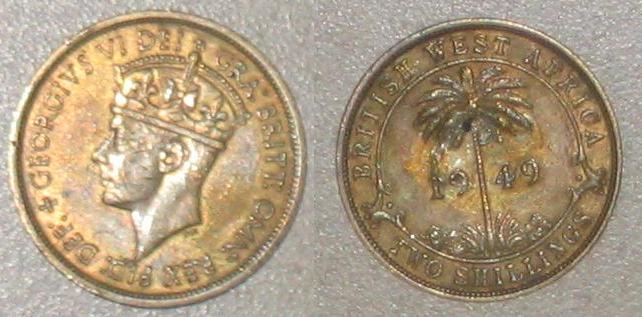
Today the name "shilling" survives as the official title of several national currencies that developed from colonial-era and regional monetary arrangements. Prominent examples include East African and specific national shillings used in parts of Africa. There are also numerous historical shillings: British, Irish, Australian and New Zealand shillings were all part of their respective pre-decimal systems and ceased to be legal tender when those countries decimalised. Although the coin designs, metals and exact sizes changed by era and issuing authority, the shilling generally functioned as an intermediate unit between smaller coins (pence) and larger units (pounds or shillings of greater value).
Characteristics, denominations and cultural notes
- Value relation: in the British system 1 shilling = 12 pence; 20 shillings = 1 pound.
- Appearance: historically a silver coin, later cupronickel or other base-metal alloys.
- Colloquialisms: "bob" as a slang term; conventional written forms like "1/6" or "11/-" appear in historic prices and literature.
- Collecting and numismatics: shillings are common objects of study for coin collectors, who track variations by monarch, mint, metal and year.
The shilling’s long life and geographic spread mean it appears in economic history, legal accounts and everyday culture across centuries. It served both as a practical circulating coin and as a unit for accounting and wages. Distinctions should be noted between currencies that share the name but differ in origin and legal status—for example, the British shilling versus modern national shillings in East Africa. Also, the similar-looking German-Austrian "Schilling" is a separate currency with unrelated history and spelling.
Further reading and external links
- Overview and definitions
- Commonwealth currency history
- Accounting and early terminologies
- Anglo-Saxon monetary practice
- Regional valuations in early medieval England
- Etymology resources
- Diminutive suffix incidents
- The Latin term solidus
- Roman coinage background
- Numismatic examples
- Historical price notation
- Pre-decimal coin relationships
- Typography and notation variants
- Punctuation in old currency writing
- Modern African abbreviations and usage
- Metallurgy and coin standards
For numismatists and historians the shilling provides a concise view of how a single unit can persist while changing metal, form, and national identity. Its traces in language, literature and law also make it a useful lens for exploring broader economic and social history.
Author
AlegsaOnline.com Shilling (currency unit) Leandro Alegsa
URL: https://en.alegsaonline.com/art/89779
Sources
- dictionary.reference.com : shilling - Definitions from Dictionary.com