
Economic bubble: causes, characteristics, history and consequences
An economic bubble is a rapid, unsustainable rise in asset prices followed by a sharp decline. This article explains causes, signs, notable historical examples, effects and why timing a burst is difficult.
Overview
An economic bubble occurs when the price of an asset or group of assets inflates far beyond values justified by underlying fundamentals, such as earnings, rents, or production costs. Prices then typically fall rapidly when expectations shift — an event often called a "crash" or a "burst." Bubbles can form in stocks, real estate, commodities, collectibles and other markets. Their defining features are rapid price increases driven more by expectations of further price rises than by intrinsic value.
Image gallery
5 Images



Typical characteristics
Bubbles show several recurrent traits. They are marked by a prolonged and steep ascent in prices, growing public enthusiasm and wide media attention, increased trading volume and often rising use of leverage. Market prices become disconnected from measurable fundamentals. During the run-up, narratives that justify ever-higher prices spread among investors and consumers — a process sometimes called herd behaviour or "irrational exuberance." When confidence falters or liquidity tightens, the positive feedback loop reverses and a rapid decline follows.
Common causes and mechanisms
Many interacting forces can produce and amplify an economic bubble. Important contributors include:
- Speculation: Buyers purchase assets primarily to sell later at a higher price rather than for income or utility.
- Easy credit and leverage: Cheap borrowing allows investors to take larger positions, exaggerating price moves.
- Herding and psychology: Social proof and fear of missing out encourage more participants to buy.
- Innovations or narratives: New technologies or business models can create optimistic stories that detach price from reality.
- Regulatory and institutional factors: Weak oversight, inadequate risk management, or perverse incentives can facilitate overheating.
History and notable examples
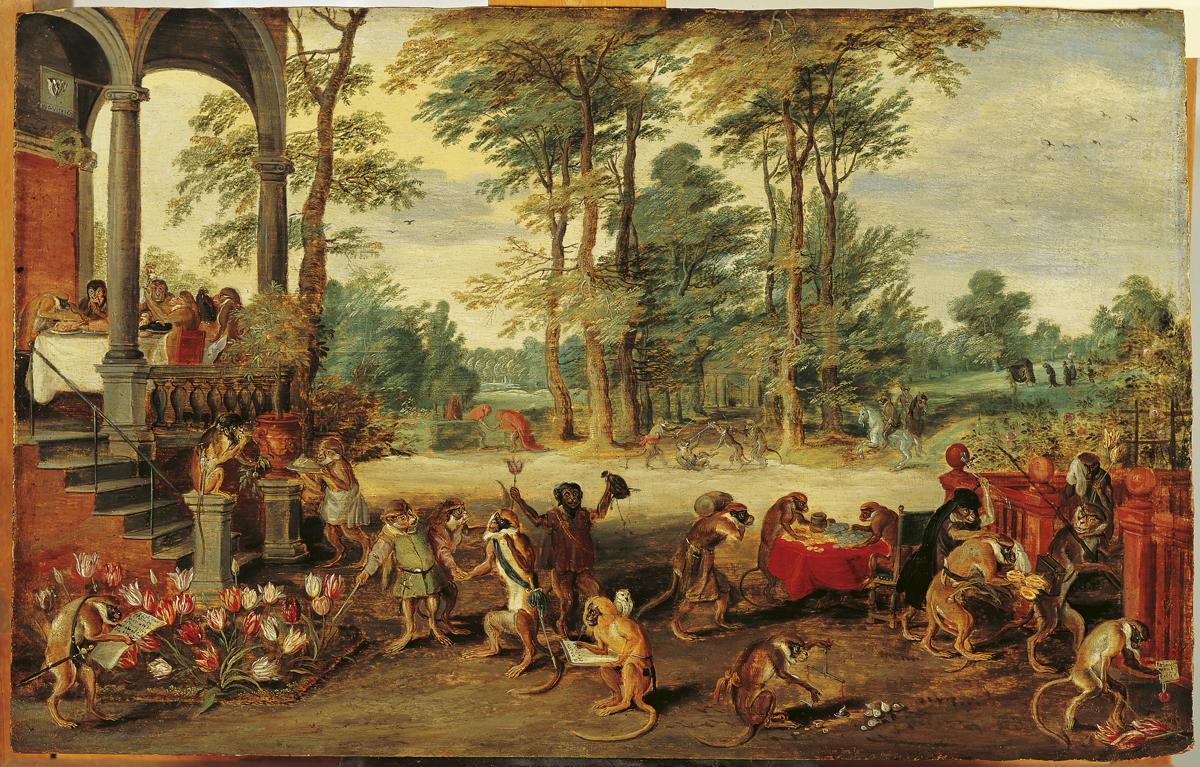
Bubbles have recurred across centuries and regions. Early examples include seventeenth- and eighteenth-century episodes such as tulip mania and the South Sea episode, which highlighted how suddenly prices can collapse after speculative fever subsides. The 1929 stock market collapse, the late-1990s dot‑com bubble and the housing-led crisis of the late 2000s are modern instances often cited for their large economic fallout. Each case differed in detail, but all illustrate how price dynamics and widespread leverage can amplify losses when sentiment shifts.
Consequences and why timing is hard
The aftermath of a burst can range from localized losses to broad financial distress and recession. Bursts often destroy household and business wealth, strain banks and other lenders, reduce credit flows, and trigger policy responses such as monetary easing or regulatory reform. Predicting precisely when a bubble will end is notoriously difficult because it depends on collective expectations, liquidity conditions and trigger events; an apparently stable market can reverse quickly when confidence changes.
Detection, policy responses and distinctions
Economists and regulators watch indicators such as rapid credit growth, unusually high price-to-earnings or price-to-rent ratios, concentrated speculative positions and widening gaps between prices and fundamentals. Policy tools to reduce bubble risk include tighter lending standards, higher capital requirements, targeted taxes, and macroprudential measures. Scholars also distinguish between "rational" bubbles—where investors expect future buyers to pay more—and bubbles driven chiefly by behavioral biases; in practice, both elements can coexist.
For background on monetary context and price levels see inflation. For historical perspective on severe economic downturns tied to asset collapses, see the account of the Great Depression.
Related articles
Author
AlegsaOnline.com Economic bubble: causes, characteristics, history and consequences Leandro Alegsa
URL: https://en.alegsaonline.com/art/29951