
Drawbridge: movable bridge for defense and navigation
A drawbridge is a movable bridge that can be raised, lowered or swung to control passage. Used historically in fortifications and today on busy waterways, it includes several designs and operating mechanisms.
A drawbridge is a type of movable bridge designed to be temporarily opened or closed to control access across a gap, channel, or moat. The term commonly evokes the timber-and-chain entrances of medieval fortifications, where a bridge could be raised to deny entry, but it also applies to a broad family of bridges used today to allow road traffic and ships to share the same corridor. See a general definition at drawbridge.
Image gallery
4 Images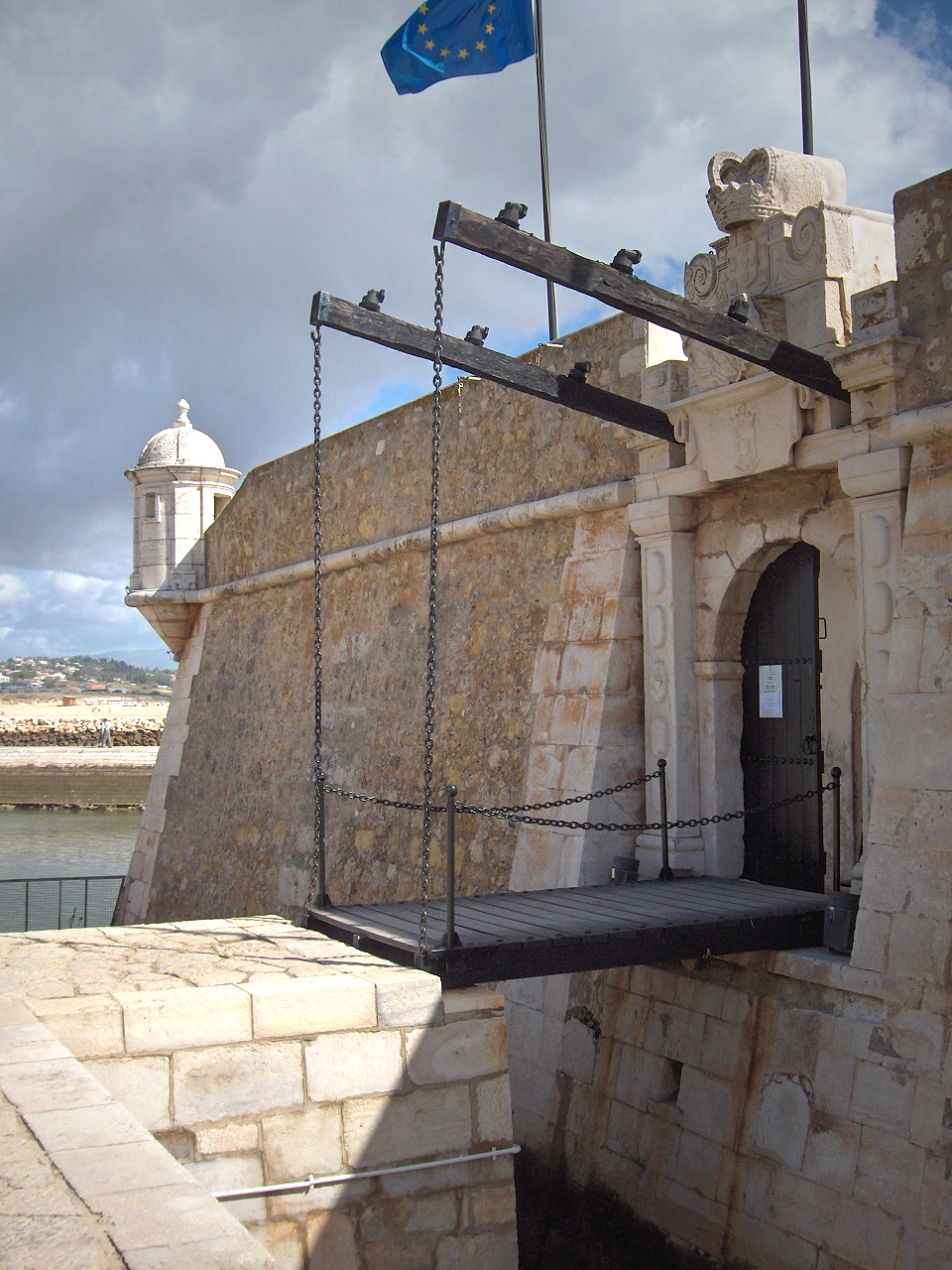


Designs and key components
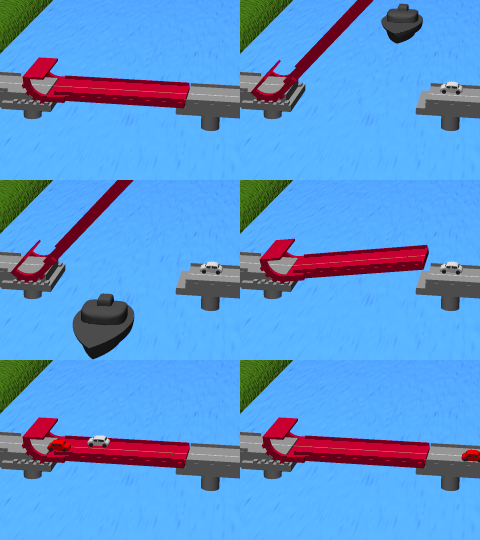
Movable bridges use a variety of mechanical systems to change configuration. Principal types include:
- Bascule (see-saw) bridges that rotate about a hinge and often use counterweights.
- Vertical-lift bridges that raise a span straight up on towers and cables.
- Swing bridges that pivot horizontally around a central point.
Common elements are the movable span, pivot or lifting apparatus, counterweights or motors, and control systems. Drawbridges may be manually operated in small installations or powered by hydraulic, electric, or mechanical winches in larger applications.
History and development
Historically, drawbridges formed part of castle defenses paired with a gate and a fortified entrance and often crossed a moat. Their defensive role declined as artillery and other siege technologies advanced, but the basic idea continued to evolve. In the industrial era new materials and machinery allowed longer spans, heavier loads, and automated operation.
Modern uses and examples
Today drawbridges are common where roadways cross navigable waterways. They permit tall or bulky vessels to pass while providing occasional road or pedestrian access. Large urban and maritime areas may rely on these crossings for both commercial shipping and local traffic; contemporary examples combine engineering, traffic control, and scheduling to minimize delays. See more on urban drawbridge use at waterway crossings and pedestrian/vehicle considerations at pedestrian crossings.
Operation, safety and notable distinctions
Operating a drawbridge involves signaling, barriers, and interlocks to protect users while the span moves. Regular maintenance is required to keep mechanical parts, electrical systems, and safety devices functional. Drawbridges differ from fixed bridges by their movable span and from tunnels by providing a reversible obstruction to traffic rather than an always-open passage. Some drawbridges are also cultural landmarks and engineering attractions.
For further technical details or historical case studies, specialized engineering and heritage resources provide in-depth material on specific types, construction methods, and preservation strategies.
Related articles
Author
AlegsaOnline.com Drawbridge: movable bridge for defense and navigation Leandro Alegsa
URL: https://en.alegsaonline.com/art/28893