
Duckboards: Raised Walkways for Wet and Soft Ground
Duckboards are simple raised walkways—traditionally wooden slats on supports—used to cross mud, marsh or flooded ground. They improve drainage, protect soil and give a safe path in wet conditions.
Overview
Duckboards are narrow, raised walkways made from parallel wooden slats or planks fixed to supporting runners. They provide a firm, dry surface for people (and sometimes light equipment) to cross soft, muddy or waterlogged ground without sinking into the substrate or trampling vegetation. By allowing water to drain through the gaps between slats, duckboards reduce standing water and limit erosion under foot traffic. For additional background or technical guidance, see further information.
Image gallery
10 Images





Construction and materials
Traditional duckboards use hardwood or pressure‑treated softwood for slats and heavier timbers as sleepers or supports. Key characteristics include spaced slats for drainage, a slight camber or gap for runoff, and robust fixings to resist movement. Modern alternatives may use recycled plastic, composite materials or aluminium for longer life and lower maintenance. Surfaces are often grooved or fitted with anti‑slip strips to improve traction when wet.
History and notable uses
Raised plank walkways have been used for centuries in marshy regions to provide year‑round routes for people and goods. In more recent history, duckboards became widely known for their use in wet battlefield trenches and encampments during large‑scale conflicts, where they helped reduce prolonged contact with standing water and mud. Civil engineering and conservation projects also adopted duckboard-style walkways to protect fragile wetland habitats while allowing human access.
Common applications
- Hiking and nature trails across bogs, fens and marshes.
- Access routes on construction sites, festivals or temporary works in muddy conditions.
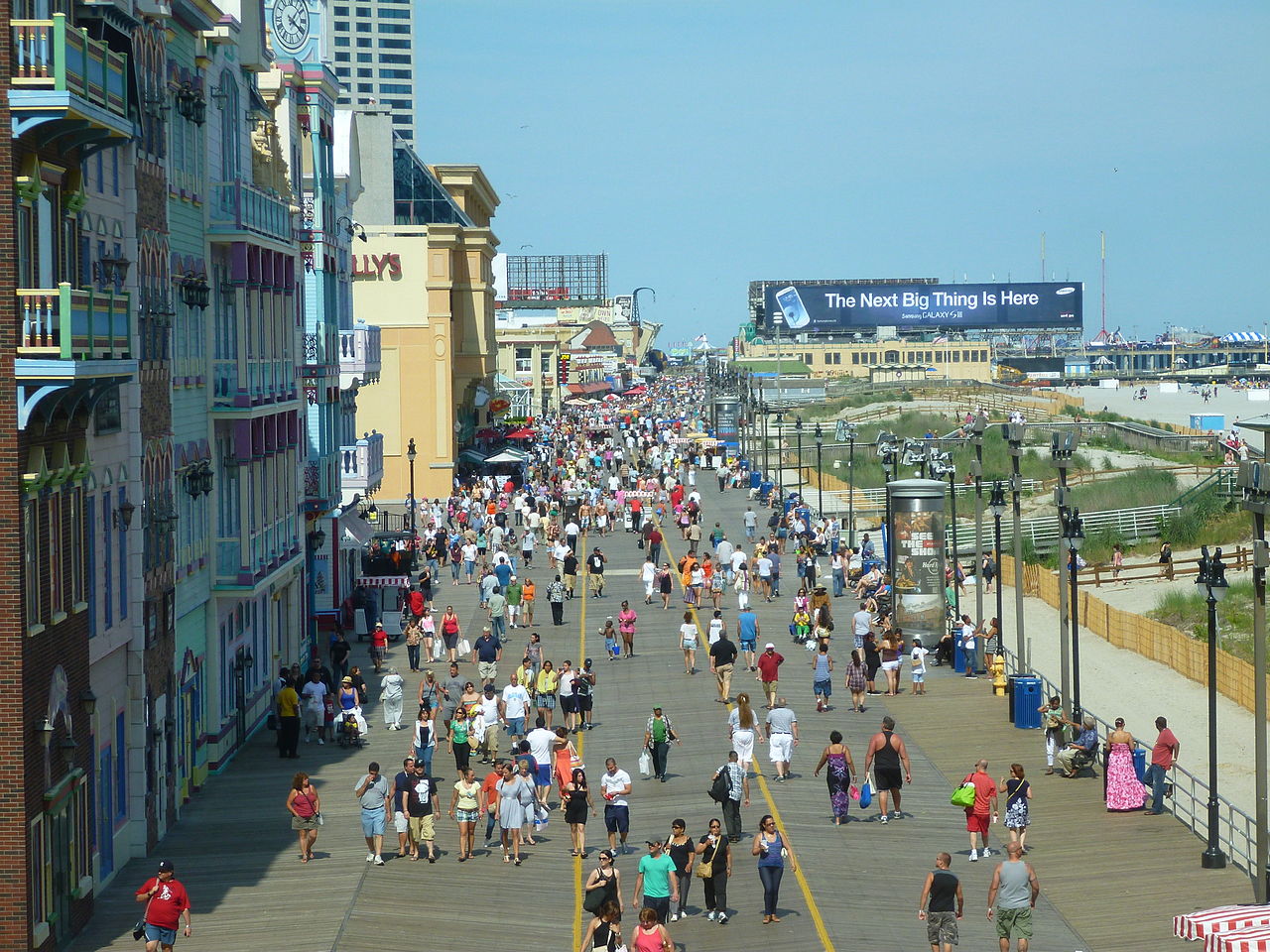
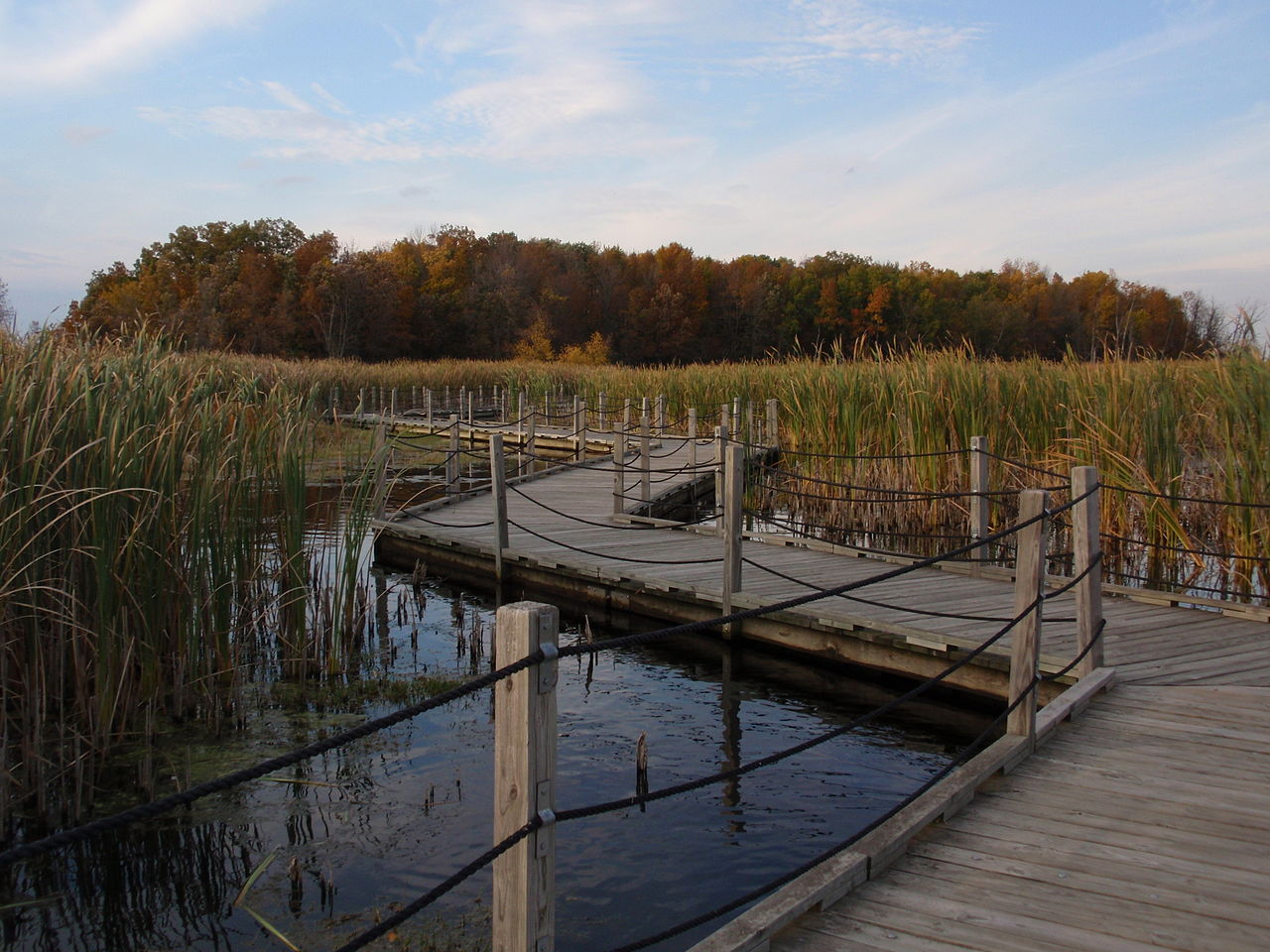
- Conservation boardwalks that allow visitors to observe wetlands with minimal impact.
- Industrial and military use where rapid, relocatable ground protection is required.
Duckboards can be built as temporary sections that are removed after use or as permanent, low‑height boardwalks integrated into a site’s landscape design.
Maintenance, safety and distinctions
Routine inspection is important: replace rotten or damaged slats, ensure fixings remain tight, and check anchorage to prevent uplift. Anti‑slip treatments and adequate drainage are essential for safety. Compared with wider, architecturally finished boardwalks, duckboards are generally narrower, more utilitarian and easier to install or relocate. Related forms include puncheon paths and corduroy roads, which address similar access problems with different materials and methods.
Related articles
Author
AlegsaOnline.com Duckboards: Raised Walkways for Wet and Soft Ground Leandro Alegsa
URL: https://en.alegsaonline.com/art/29123