
Douglas A-4 Skyhawk — carrier-capable light attack jet
Compact, single-seat, carrier-capable attack jet introduced in the 1950s. Served with the US Navy and many foreign air forces in Vietnam, the Falklands and later upgrade programs.
Overview
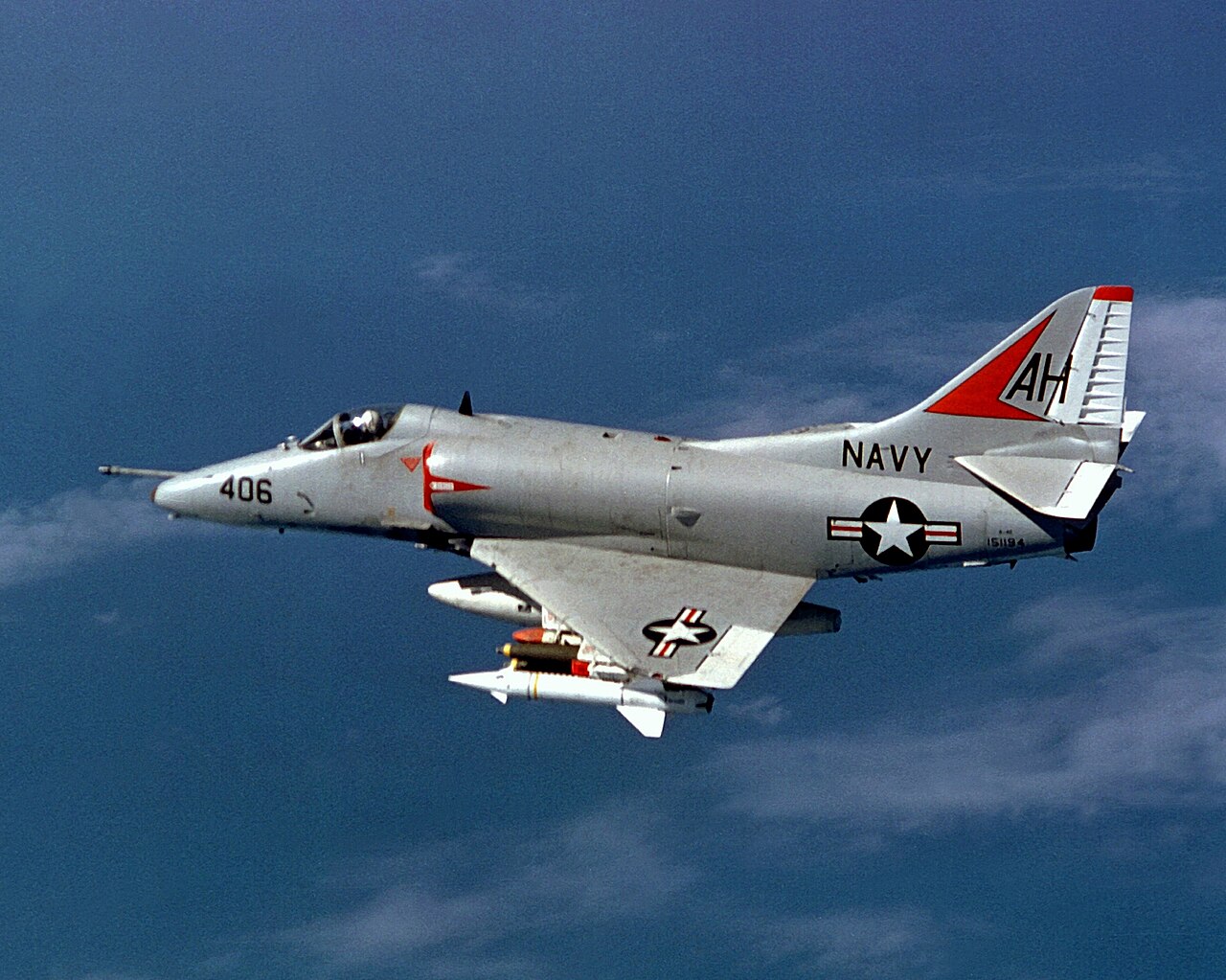
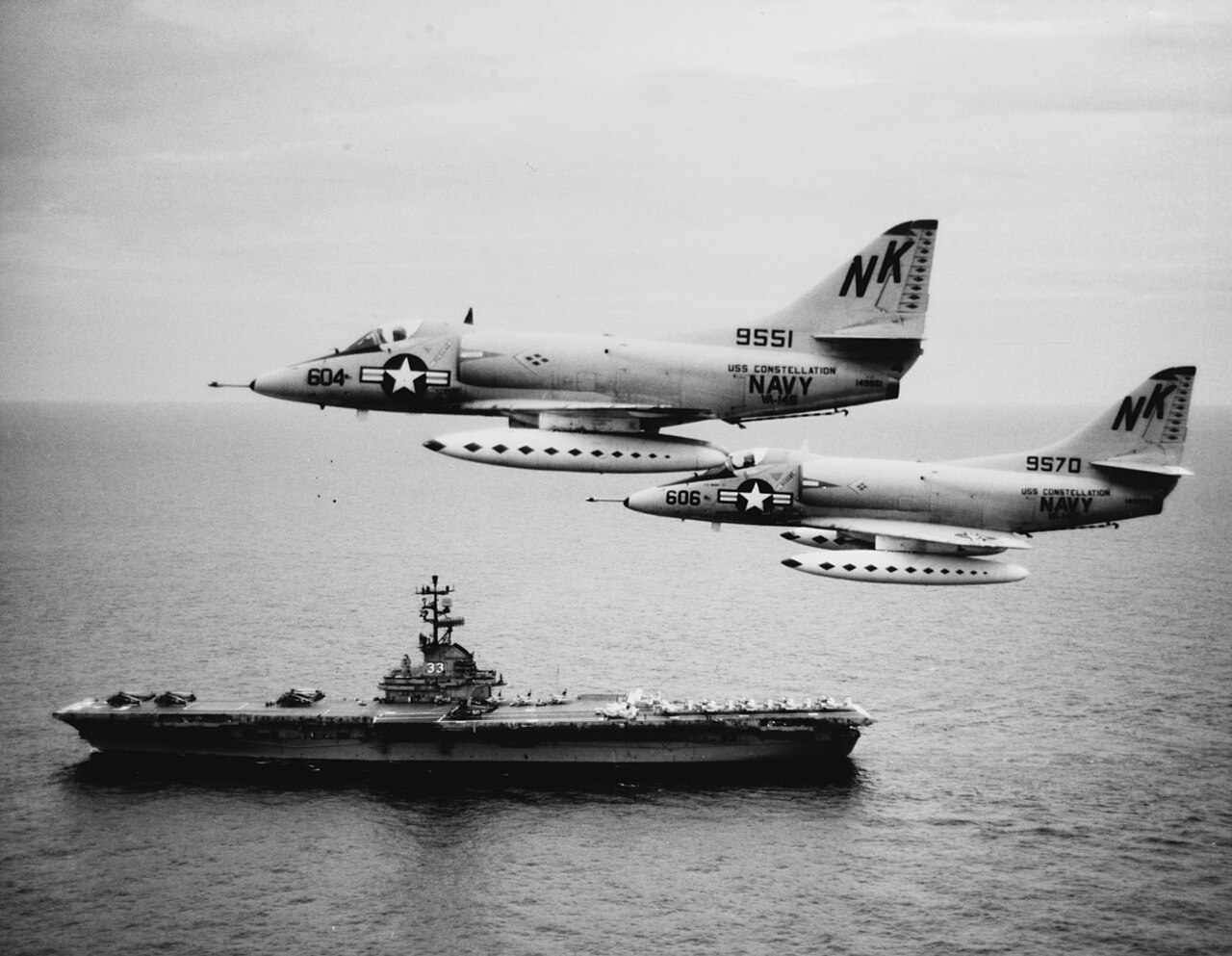
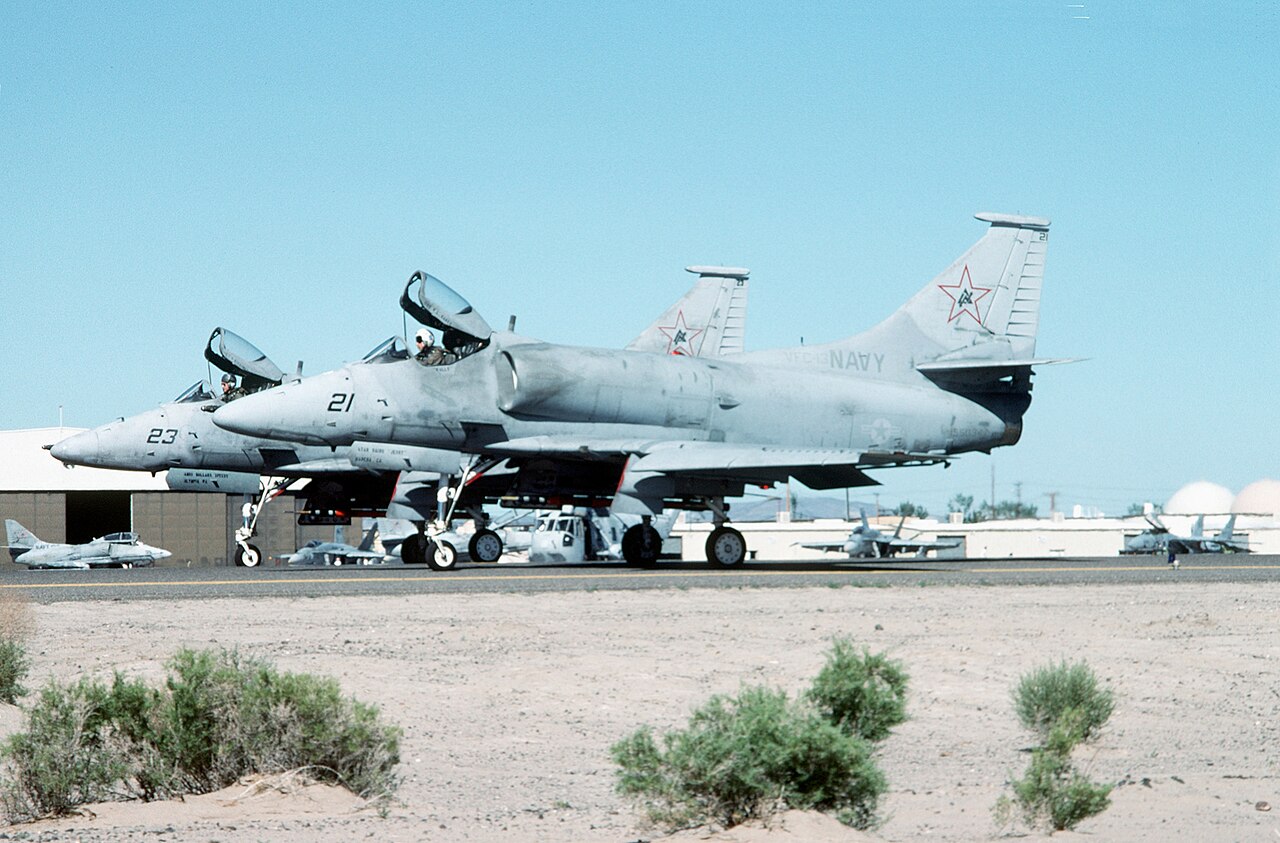
The Douglas A-4 Skyhawk is a small, single-seat, single-engine military jet aircraft designed for carrier operations. It made its first flight in 1954 (first flight) and entered service with the U.S. Navy in 1956. Built for agility and simplicity, the Skyhawk became a mainstay light-attack type for decades.
Image gallery
10 Images






Design and characteristics
The Skyhawk is noted for its compact dimensions, straightforward structure and relatively low weight, features intended to ease carrier handling and maintenance. It carried ordnance on external hardpoints and was adaptable to a range of weapons, from guns and bombs to rockets and missiles, which made it a versatile attack platform. The airframe emphasized cost-effective performance rather than large size or complex systems.
Development and doctrine
Designed in the early 1950s by Douglas engineers, the Skyhawk reflected a doctrine of small, economical strike aircraft that could operate from carriers and forward bases. The type served in conflicts where compact, rugged attack jets were needed, and it was exported to several allies and partner nations (foreign users).
Operational history
The A-4 saw extensive combat use during the Vietnam War, flying strike sorties and close air support missions from carriers and land bases. It also featured prominently when Argentine A-4s were used in the Falklands War—Argentine forces employed these jets in maritime strike roles against British units (attacks), with significant operational consequences. Israeli A-4s likewise saw combat and were modified locally to extend their service life (Israel).
Operators and upgrades
- Argentina — used A-4s in the Falklands conflict.
- Israel — operated and upgraded many airframes.
- Kuwait — acquired Skyhawks for national defense.
- Singapore — modernized A-4s for extended service life.
- Other operators and private users also kept A-4s flying for training and secondary roles (see foreign operators).
Variants and legacy
Over its production run the Skyhawk evolved into multiple variants with updated engines, avionics and mission equipment. Several nations performed local upgrades to keep the type relevant into the late 20th century. Because of its longevity, compactness and adaptability, the A-4 is remembered as an influential light-attack jet that bridged early jet-era design and later, more capable strike aircraft.
Notable facts: It was a cost-effective carrier strike aircraft, frequently praised for maintainability and simplicity, and it left a lasting legacy among both naval and export operators.
For further reading on design, combat roles and operator histories, consult dedicated sources and archives (manufacturer records, flight logs).
Related articles
Author
AlegsaOnline.com Douglas A-4 Skyhawk — carrier-capable light attack jet Leandro Alegsa
URL: https://en.alegsaonline.com/art/28678