
Dragoon: mounted infantry and cavalry soldiers
Dragoons were soldiers trained to ride and fight on foot or horseback. Originating in early modern Europe, they combined infantry firepower with cavalry mobility and later evolved into cavalry and armoured regiments.
Overview
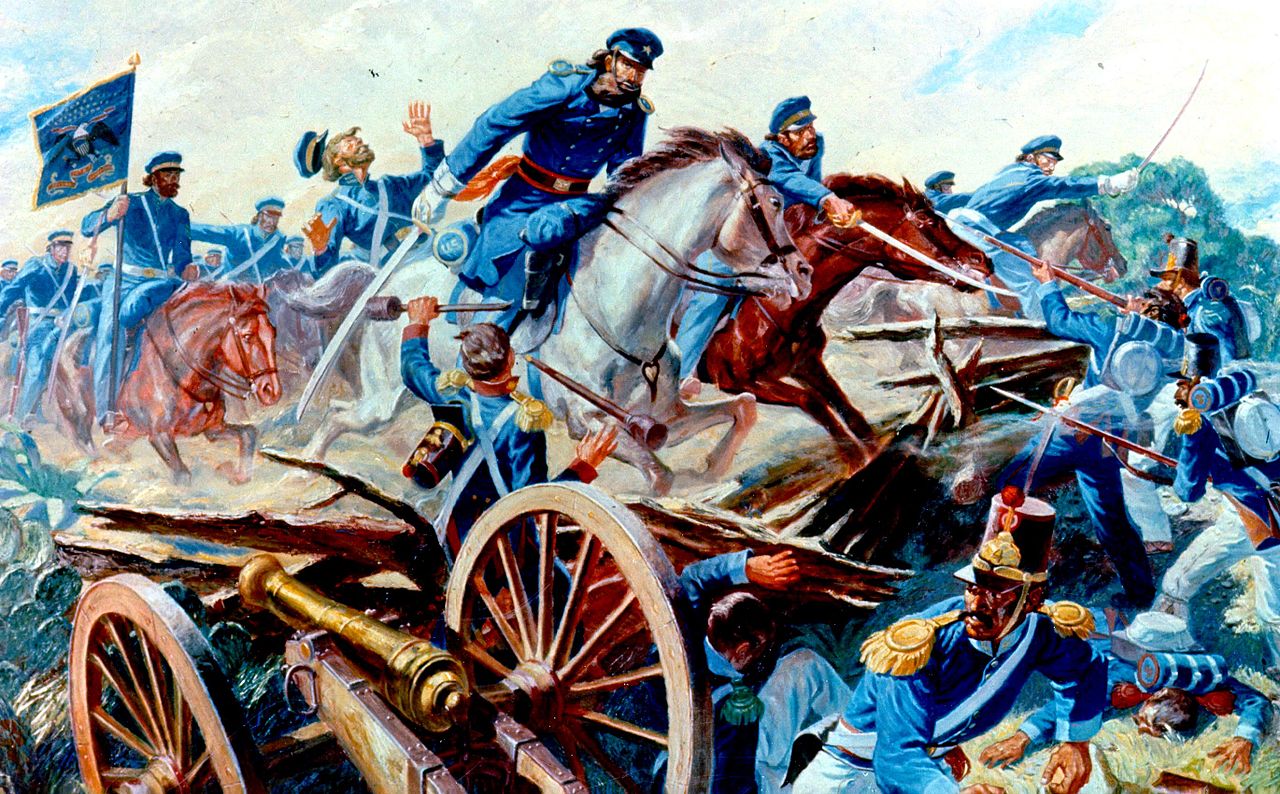
Dragoons were a type of soldier who combined mounted movement with infantry fighting methods. Riding horses for speed and strategic mobility, dragoons usually dismounted to fight on foot with muskets or carbines, but they were also trained to use swords and pistols while mounted. This dual capability made them an adaptable force in campaigns from the 17th century onward. For more on the concept of mounted infantry, see mounted infantry.
Image gallery
10 Images





Equipment and tactics
Typical dragoon equipment balanced firepower and cavalry gear. Common items included:
- Short muskets or carbines suited for use on horseback
- Pistols or a handgun known historically as the "dragon," the weapon that lent the name to the troops
- Swords or sabres for close combat when mounted
- Leather or metal tack and simpler cavalry harnesses to ease rapid dismounting
Tactically, dragoons performed reconnaissance, escorted convoys, garrisoned forward posts, conducted raids, and acted as a flexible reserve. When required to hold ground, they would form as infantry; when opportunity allowed, they could charge or pursue as cavalry. Their hybrid role is related to broader cavalry practices described in cavalry studies.
History and development
Dragoons appeared in early modern Europe and became widespread by the late 17th and early 18th centuries. Armies valued them for economy and versatility: fewer horses and lighter training than heavy cavalry, but greater reach than foot soldiers. Over the 18th and 19th centuries, many dragoon units evolved into conventional cavalry types—often classified as heavy, medium or light dragoons—reflecting changes in battlefield technology and doctrine during the Napoleonic era and beyond.
Modern legacy and ceremonial roles
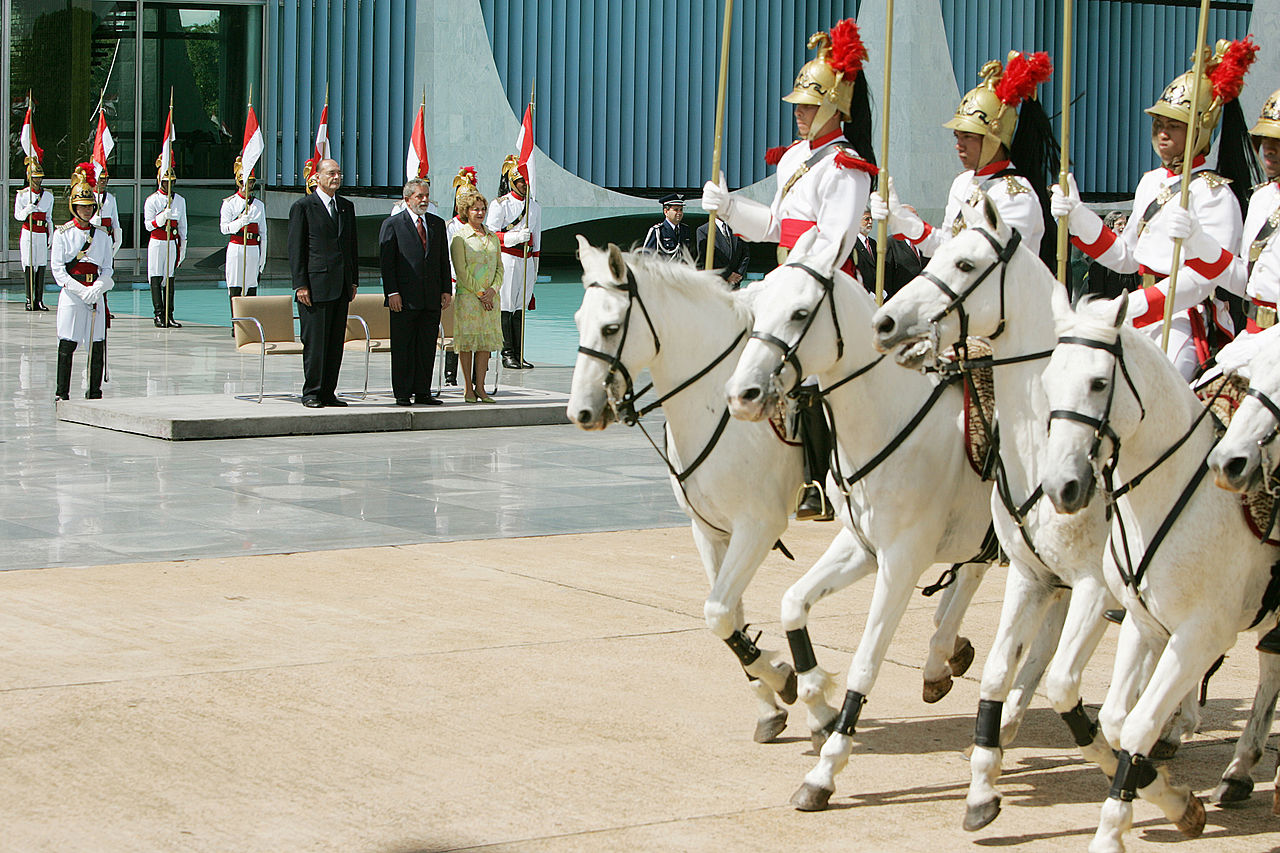
With mechanization in the 20th century, some dragoon regiments converted to armoured or mechanized units while retaining the historic name and traditions. Others survived as ceremonial mounted regiments that preserve uniforms, drill, and regimental history. Modern references and unit histories are kept by organizations and museums; for details on contemporary ceremonial units see ceremonial mounted regiments.
Distinctive facts
Notable points about dragoons include their name origin (from a short, blunderbuss-like handgun called a "dragon"), their role as a doctrinal bridge between infantry and cavalry, and their long-lasting regimental identities. While the pure role of mounted infantry has largely disappeared in modern armies, the term "dragoon" survives in unit titles and ceremonial practice, reflecting the historical importance of these adaptable soldiers.
Questions and answers
Q: What were dragoons originally used for?
A: Dragoons were originally used as mounted infantry.
Q: Did dragoons fight on foot or on horseback?
A: Dragoons fought on foot, but were also trained to fight with swords on horseback.
Q: Where does the name "dragoon" come from?
A: The name "dragoon" comes from a type of firearm called a "dragon".
Q: What was the dragon?
A: The dragon was a handgun version of a blunderbuss, and was carried by dragoons of the French Army.
Q: In what time period were most European armies using dragoons?
A: Most European armies had dragoons in the late 17th and early 18th centuries.
Q: Do any modern regiments still call themselves dragoons?
A: Yes, some armoured or ceremonial mounted regiments still call themselves dragoons.
Q: How did dragoons move around?
A: Dragoons used horses to move around, but got off the horses to fight on foot.
Related articles
Author
AlegsaOnline.com Dragoon: mounted infantry and cavalry soldiers Leandro Alegsa
URL: https://en.alegsaonline.com/art/28852
Sources
- oed.com : "Dragoon"
- en.wikisource.org : "Dragoon"