
Drumhead court-martial: battlefield tribunals and their legacy
A drumhead court-martial is an improvised military trial held close to combat. This article explains its purpose, features, origins, legal context, and the criticisms and legacy of swift battlefield justice.
Overview
A drumhead court-martial is an ad hoc military trial conducted near or on a battlefield to resolve alleged crimes or discipline breaches quickly. The name refers to using a drumhead as a makeshift writing surface. It is essentially a form of court-martial convened under urgent conditions where speed and order are prioritized over full peacetime procedure.
Image gallery
2 Images
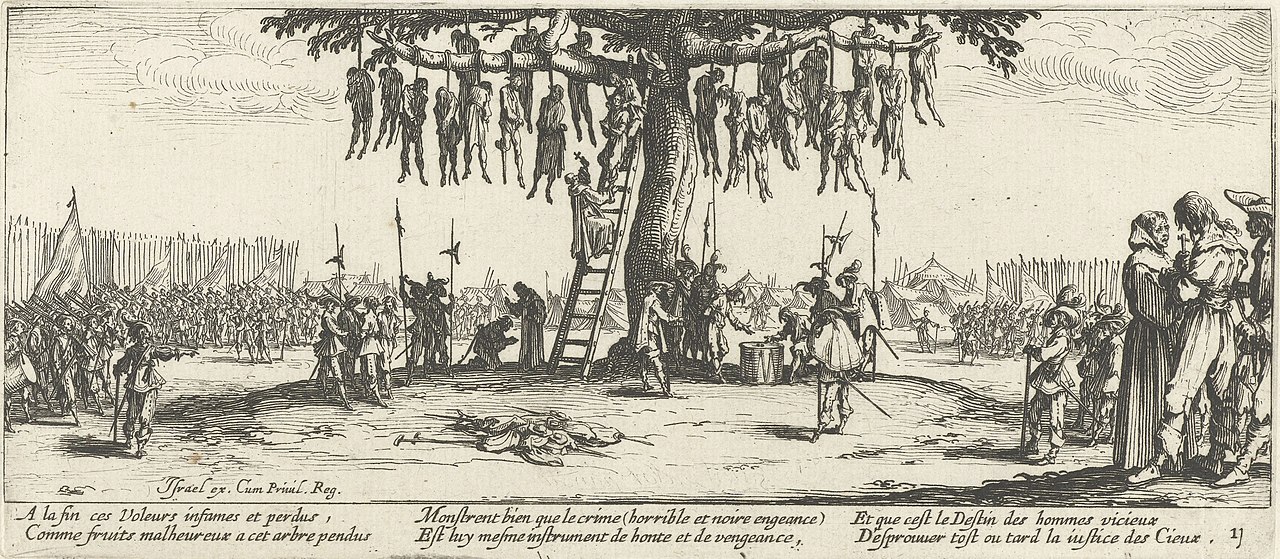
Characteristics
These tribunals are distinguished by several practical features designed for immediacy and portability:
- Summarized procedures: abbreviated investigation and rapid adjudication.
- Limited safeguards: fewer formal evidentiary steps and constrained rights for defense compared with formal courts.
- Field environment: hearings take place in tents, bivouacs, or beside battle lines.
Origin and historical use
The term emerged from longstanding military practice of administering discipline in the field. Commanders in many eras and armies have used improvised tribunals when delays could undermine order, morale, or security. Such proceedings appear in accounts of campaigns where commanders needed to address desertion, mutiny, treason, or other urgent offenses without returning to a rear area.
Legal context and contemporary usage
Modern military law generally favors formalized procedures, but doctrines still recognize emergency trials in restricted circumstances. National codes and international law impose limits to protect basic rights; contemporary militaries typically seek to transfer suspects to standard courts when practicable. The expression "drumhead court-martial" also survives as a metaphor for hasty or summary justice outside strict legal safeguards.
Criticism and legacy
Critics argue that the abbreviated nature of drumhead tribunals risks miscarriages of justice, coerced testimony, and punitive excess. Supporters historically insisted they were necessary to preserve discipline under extreme conditions. Today the phrase evokes debate over the balance between swift order and procedural fairness, and it serves as a cautionary reference in discussions about emergency powers and military jurisdiction.
Related articles
Author
AlegsaOnline.com Drumhead court-martial: battlefield tribunals and their legacy Leandro Alegsa
URL: https://en.alegsaonline.com/art/29031
Sources
- bartleby.com : Brewer's Dictionary
- nizkor.org : Transcript
- wikidata.org : wikidata.org/wiki/Q2295933
- d-nb.info : 4182886-0