
Dolmen: Neolithic Megalithic Tomb Structures
Dolmens are prehistoric single‑chamber megalithic tombs—uprights supporting a capstone—widely found from the Neolithic onward and often once covered by earth to form a barrow.
Overview
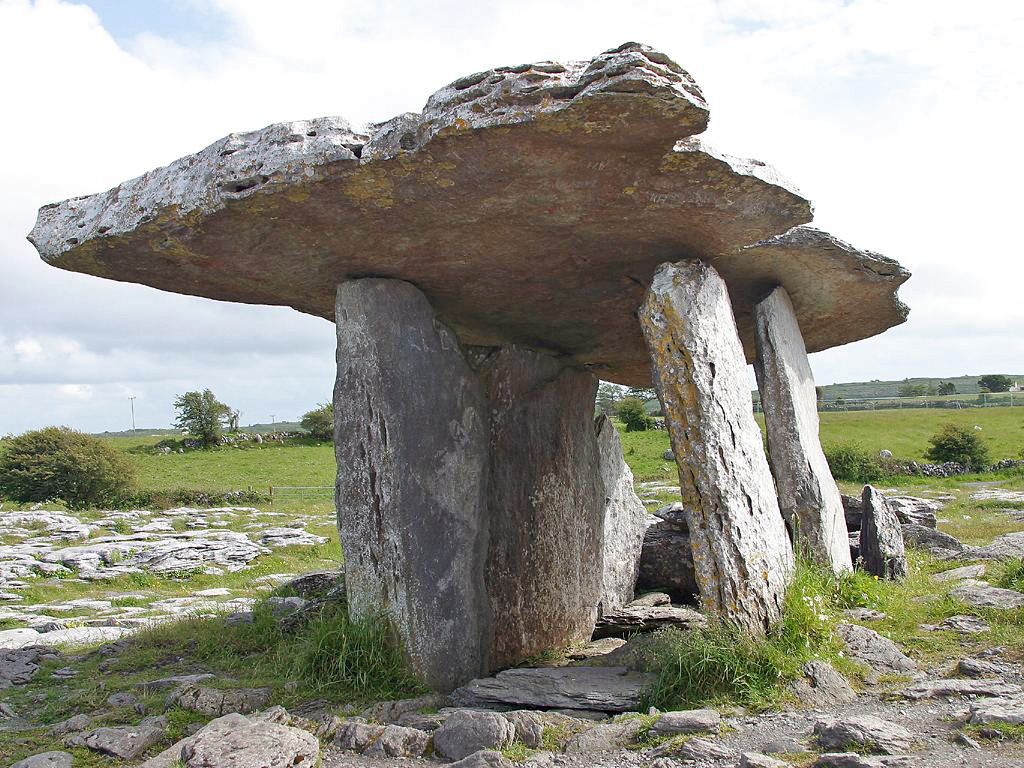
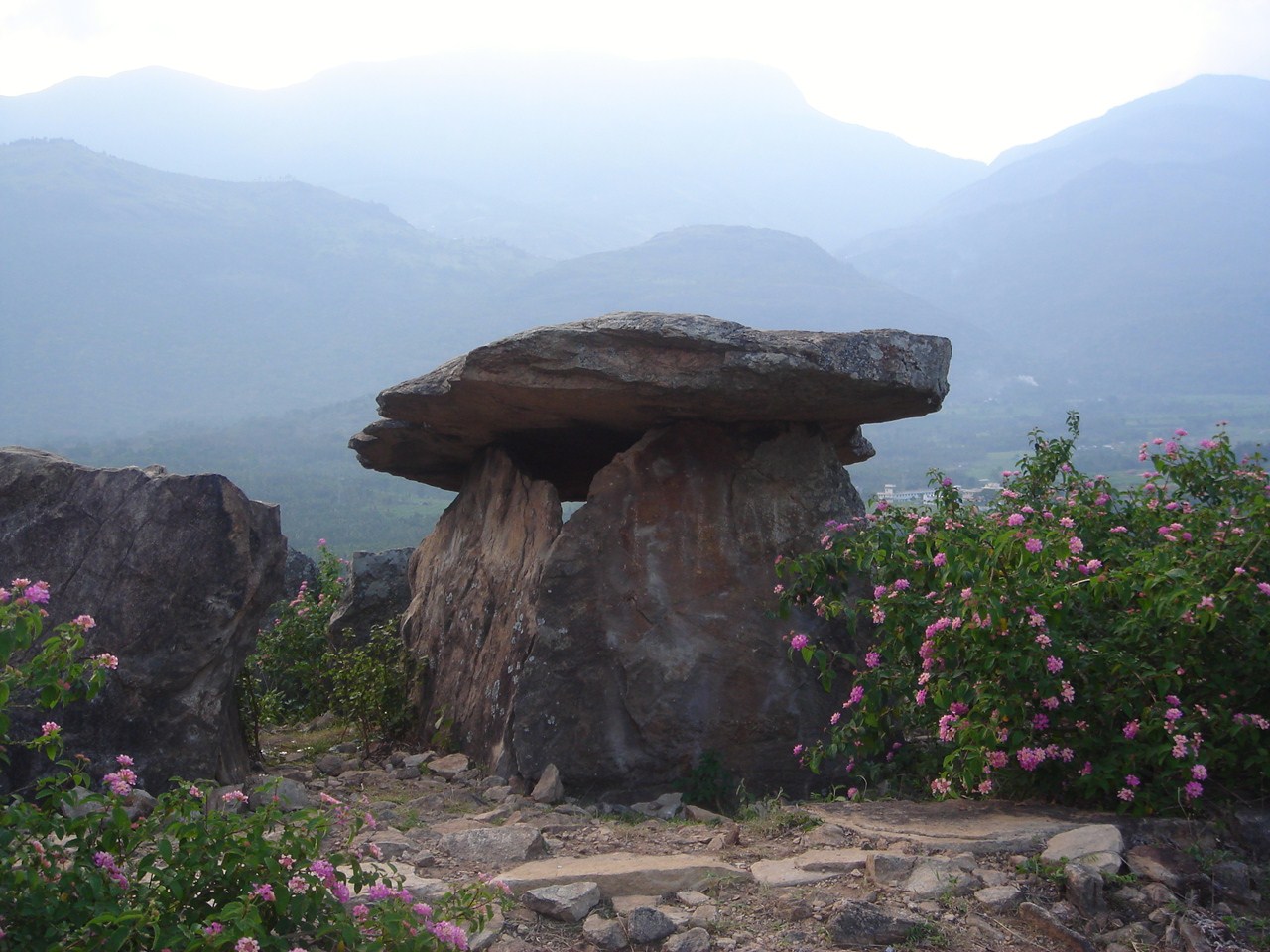
A dolmen is a prehistoric single‑chamber structure typically classified among megalithic monuments and generally interpreted as a type of tomb. Dolmens most commonly date to the early Neolithic period and originally served as burial or ritual places. In many cases the stone elements seen today are the remains of a larger, once‑covered mound.
Image gallery
10 Images


Characteristics and parts
Most dolmens share a simple architectural vocabulary: upright stones (orthostats) support a large flat capstone, creating a chamber. Typical components include:
- Upright megaliths forming walls or supports.
- A horizontal capstone or tablestone that covers the chamber.
- Occasionally a short entrance or threshold; some were extended by cairns or earthen mounds.
When intact, the stone framework was frequently enclosed beneath a covering of earth or rubble to produce a barrow or cairn, though such coverings often erode over millennia.
History and geographic distribution
Dolmens appear in many regions of Europe, the Near East, and parts of Asia and North Africa. They are especially common in Atlantic Europe but also occur in Korea, India and the Caucasus. Their emergence in the Neolithic reflects changing funerary practices as farming communities became more settled.
Uses and cultural significance
Archaeologists interpret dolmens primarily as communal burial or commemorative sites. Excavations commonly recover human remains, grave goods and pottery, indicating repeated use and social importance. Beyond burial, dolmens likely had symbolic and territorial roles within prehistoric landscapes.
Study, preservation and differences
Research combines excavation, radiocarbon dating and landscape survey to place dolmens in time and context. Many have been altered, reused or damaged by later activity; others remain impressive examples of prehistoric engineering. Dolmens differ from more complex passage graves and chambered cairns by their relatively simple single‑chamber form.
For further general information and comparative examples see resources on megalithic monuments and regional archaeological surveys: definitions, megalithic studies, burial archaeology, Neolithic contexts and barrow types.
Related articles
Author
AlegsaOnline.com Dolmen: Neolithic Megalithic Tomb Structures Leandro Alegsa
URL: https://en.alegsaonline.com/art/28240