
Egyptian Pyramids
Monumental royal tombs of ancient Egypt, their construction, purpose, and historical development, especially the great pyramids of the Old Kingdom.
The Egyptian pyramids are monumental stone structures built in ancient Egypt, and they remain among the most recognizable buildings ever created. Most were constructed as royal tombs during the Old and Middle Kingdoms, although pyramid building developed over a longer period and changed in style over time. They formed part of a wider funerary tradition linked to kingship, religion, and ideas about the afterlife in ancient Egyptian civilization.
Image gallery
10 Images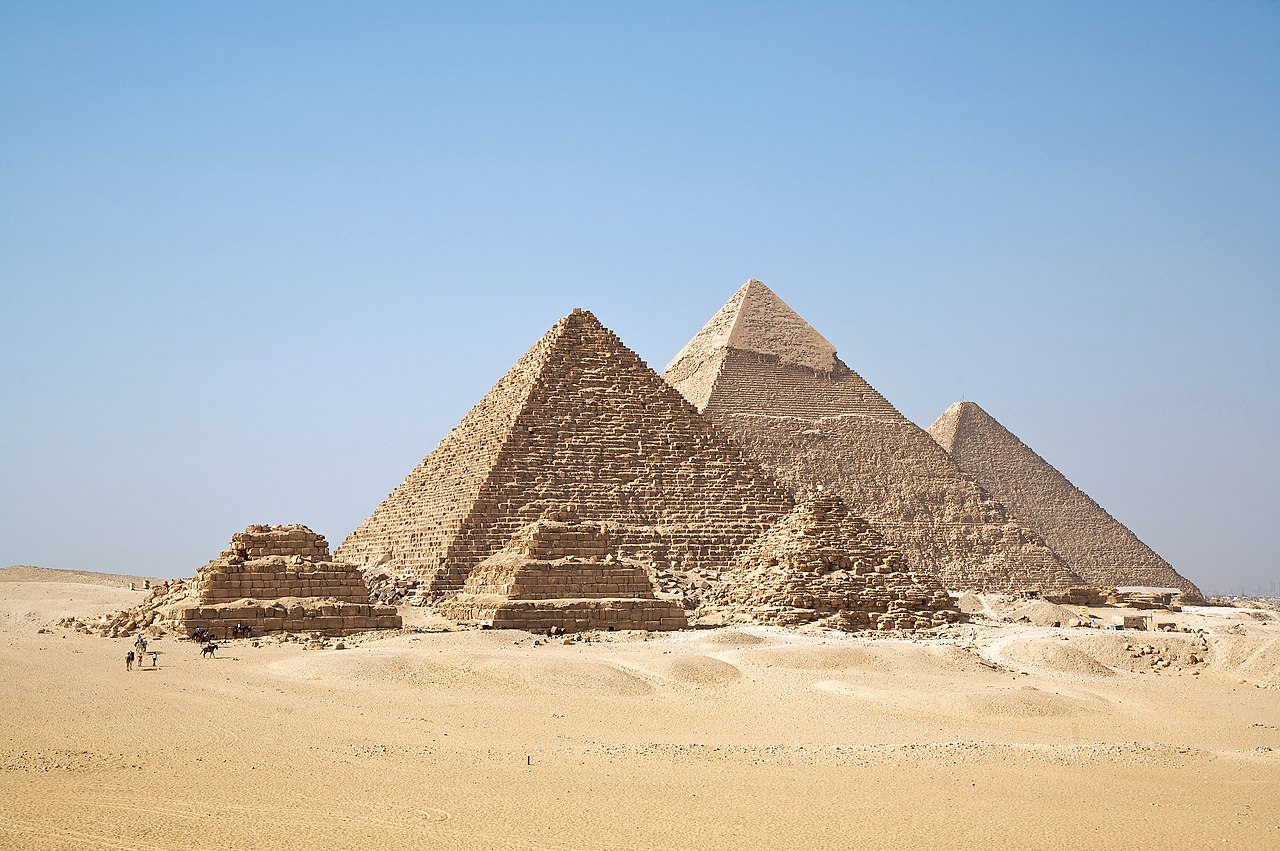



Purpose and meaning
In Egyptian belief, the pharaoh was both a ruler and a sacred figure, so burial for a king involved elaborate ritual and architecture. A pyramid was usually the center of a larger funerary complex that could include temples, processional ways, storage areas, and cemeteries for officials. The surrounding tombs of nobles often stood close to the royal monument because many people hoped to remain near their sovereign in death as they had been in life. Royal pyramids were therefore not only tombs but also symbols of power, continuity, and divine order.
The best-known pyramids are on the Giza Plateau near modern Cairo. The Great Pyramid of Giza is the largest of the group and one of the most famous monuments in the world. The other major pyramids at Giza are associated with Khafre and Menkaure. Smaller pyramids were also built for queens, and some scholars think a few subsidiary pyramids may have served a symbolic role connected with the king’s spirit, or ka. These monuments were part of a carefully planned sacred landscape rather than isolated buildings.
Construction and materials
Most pyramids were built mainly from limestone, with higher-quality white limestone used for outer casing blocks. Those casing stones were cut and fitted so the exterior would have a smooth, bright surface that reflected sunlight. In some cases the summit may have been finished with a special capstone, and ancient sources suggest that metal leaf was occasionally used. Over time, many casing stones were removed and reused in later buildings, which is why several pyramids now look rougher than they originally did.
- Core masonry made from local stone or limestone
- Fine casing stones for the outer surface
- Internal passages and burial chambers
- Associated temples, causeways, and subsidiary tombs
Development through time
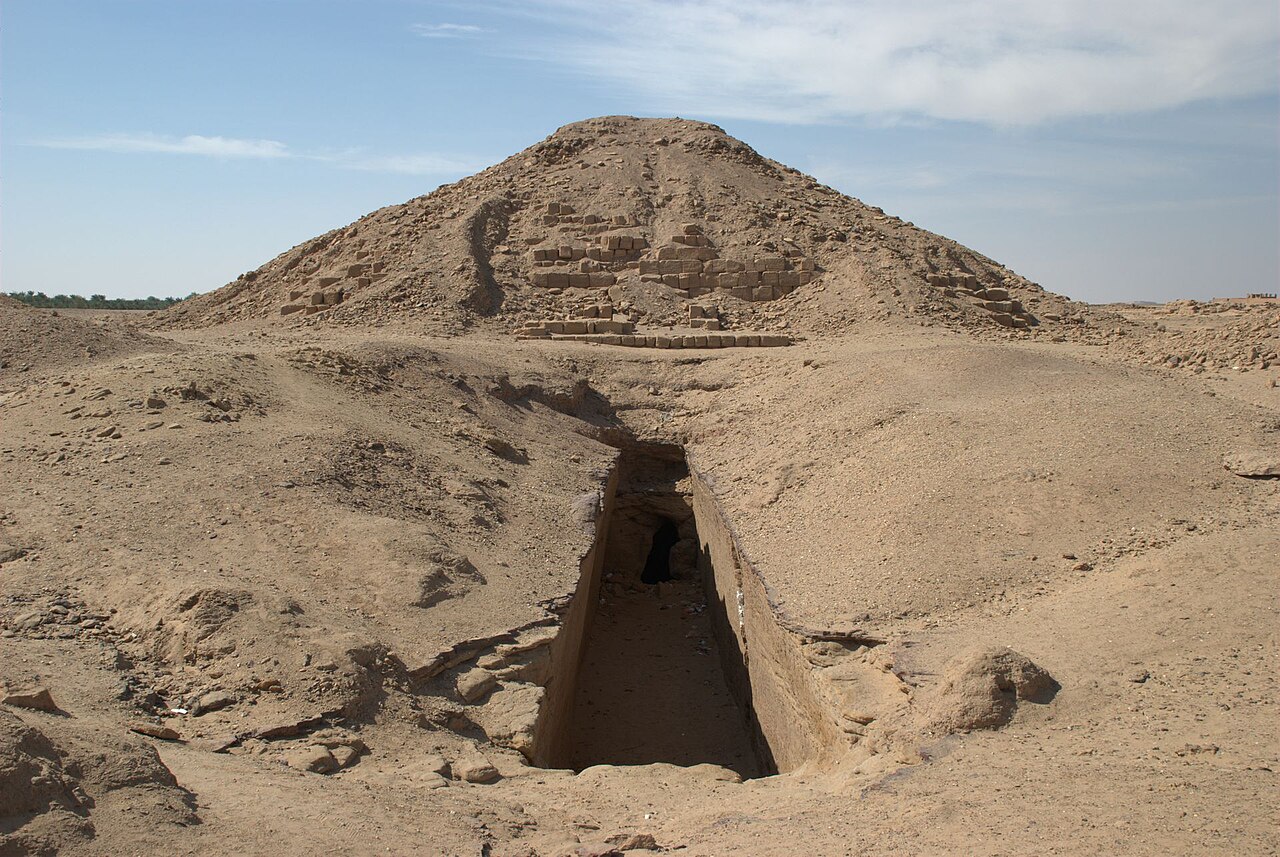
Pyramid architecture did not appear all at once. It developed from earlier mastaba tombs and stepped royal monuments into the more familiar smooth-sided form. The transition reflects experimentation in engineering and changing ideas about royal burial. Pyramid building was most common in the Old Kingdom and continued into the Middle Kingdom, but it gradually declined as later rulers favored different burial customs and locations. Even so, pyramids remained important symbols long after the main era of pyramid construction had passed.
Today the Egyptian pyramids are studied for their scale, precision, and historical importance. They provide evidence of organized labor, quarrying, transport, administrative planning, and religious belief in ancient Egypt. They also remain a major part of Egypt’s cultural heritage and a lasting image of early civilization. For related topics, see the Old Kingdom, the Middle Kingdom, limestone, metal leaf, the Great Pyramid of Giza, and tombs.
Questions and answers
Q: What are the Pyramids of Egypt?
A: The Pyramids of Egypt are among the largest structures ever built and are one of the most important examples of Ancient Egyptian civilisation. Most were built during the Old and Middle Kingdom periods.
Q: What materials were used to build them?
A: The pyramid were mostly made of limestone. The top layers were casing blocks of especially good white limestone laid on top of the main blocks. Each casing block was then trimmed so that the outer surface of the pyramid would be smooth and white. Some capstones were covered with metal leaf.
Q: When did they start being built?
A: The ancient Egyptians started building pyramids as tombs for pharaohs and their queens from before the beginning of the Old Kingdom to the end of the Middle Kingdom.
Q: What happened to some casing blocks from Giza?
A: The casing blocks from Giza's Great Pyramid were all removed in 14th and 15th centuries A.D., and used to build Cairo city. Some still remain on top next to Khufu's (belonging to Khafra).
Q: Who was buried in these pyramids?
A: Pharaohs, their queens, and nobles who wanted to be buried close by so they could stay close to him in afterlife, were all buried in pyramids ranging from small sizes up until large ones like Giza's Great Pyramid.
Q: How many small pyramids where built near Giza's Great Pyramid?
A: Three small pyramids where built on eastern side for Khufu's queens, plus a small satellite pyramid which may have been symbolic tomb for his ka (spirit).
Related articles
Author
AlegsaOnline.com Egyptian Pyramids Leandro Alegsa
URL: https://en.alegsaonline.com/art/30419
Sources
- egyptphoto.ncf.ca : The Great Pyramid of Khufu
- uwsp.edu : uwsp.edu