
Duffield Castle, Derbyshire
Earthwork remains of a Norman-era fortified site on a rocky promontory by the River Derwent at Duffield, Derbyshire. A Scheduled Ancient Monument notable for Roman and Anglo-Saxon finds and landscape defence.
Overview
Duffield Castle is the name given to the earthwork remains of a medieval fortified site on a rocky promontory beside the River Derwent at Duffield, Derbyshire. The visible features are principally a raised mound and banks with associated ditches rather than standing masonry. The monument is protected as a Scheduled Ancient Monument and is of interest for its exploitation of natural topography and for evidence of earlier activity on the same location, including artefacts linked to Roman and Anglo-Saxon periods.
Image gallery
4 Images


Setting and form
The site occupies a defensible spur of rock that is almost surrounded by the river, so approaches were limited and naturally steep. Such a riverside promontory would have been attractive to medieval builders seeking a site with good natural defence. The surviving earthworks are best interpreted as the remains of a motte-and-bailey or similar small fortified enclosure, where timber and earth would originally have formed the principal defensive structures rather than stone. Bedrock close to the surface means preserved archaeological deposits vary in depth across the site.
Historical context
Although later medieval in character, the location of the promontory lies within a landscape used before the Norman period. The area was traversed by tracks and roads linking upland mining and settlement areas to major routes such as Rykneld Street, and there are long-standing suggestions that a Roman army presence or activity in the vicinity related to nearby crossings and fords. The town of Derby, long known in antiquity as Derventio, lies downstream and formed a regional focus for communication towards the North Sea coast. Local tradition and some finds indicate earlier occupation: for example, a Saxon thane is sometimes linked with the site in county histories, though such associations should be treated cautiously.
Archaeology and finds
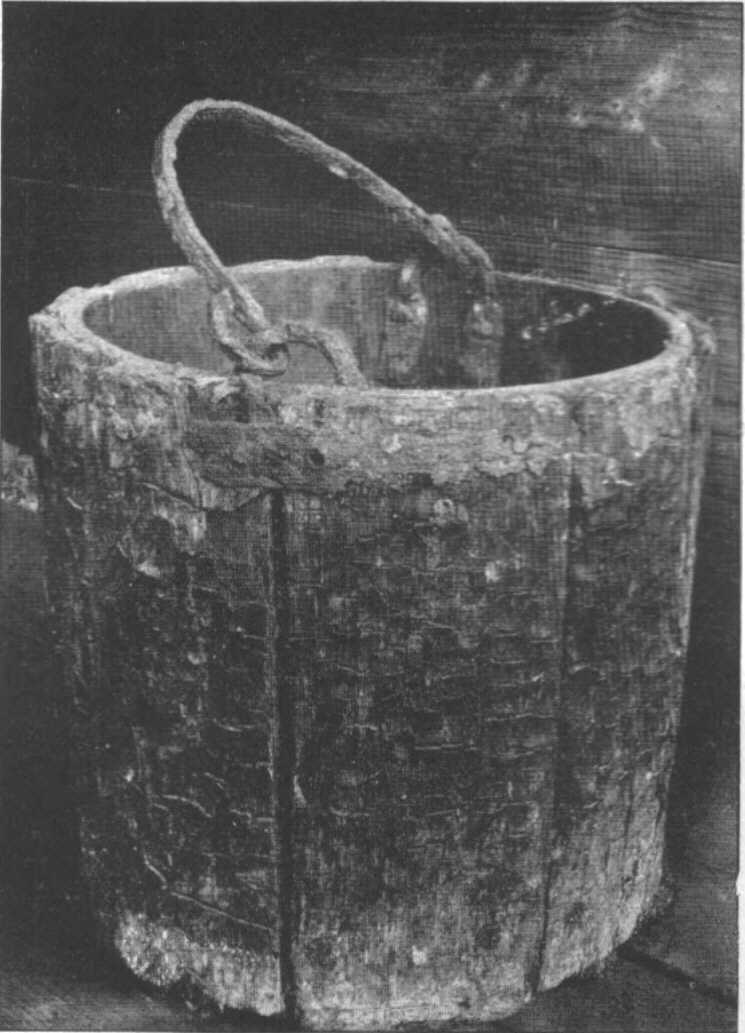
Surface finds and limited archaeological work have produced a mixed assemblage spanning Roman, Anglo-Saxon and medieval periods. Reported discoveries include Romano-British pottery and roof-tiles indicative of prior occupation or activity close to the river, and artefacts of Anglo-Saxon character that point to continuity or reuse of the promontory before the construction of medieval defences. Selected objects recovered from the site have been recorded in local collections; some pieces have been accessioned by the Derby Museum while other finds mentioned in parish records have been lost or are no longer traceable.
Importance, protection and research
The statutory designation of the site as a Scheduled Ancient Monument recognises both its intrinsic archaeological value and the need to manage and conserve earthworks that are vulnerable to erosion, vegetation and unsanctioned disturbance. The site provides an instructive example of how a single promontory can show multiple phases of human use: from possible Roman and Saxon activity to a medieval fortified phase. Ongoing study considers not only the visible earthworks but also landscape relationships — the river crossing, nearby communication routes and patterns of settlement in Derbyshire.
Visiting and further information
The site is accessible for study from public footpaths in the Duffield area but, as a protected monument, it should be treated with care and respect. Visitors and researchers are advised to consult local heritage guides and museum catalogues for up-to-date information, and to contact local authorities before undertaking any investigation. For general context on Norman fortifications see sources that describe Norman castle forms; for regional history consult county overviews of Duffield and Derbyshire. Additional contextual material on Roman military presence in the region and later transport links can be found in studies referencing Roman activity, the road network such as Rykneld Street, and the development of Derby as an urban centre.
Questions and answers
Q: What is Duffield Castle?
A: Duffield Castle was a Norman Castle located in Duffield, Derbyshire.
Q: Is the site of Duffield Castle significant?
A: Yes, the site of Duffield Castle is a Scheduled Ancient Monument.
Q: Why was the site of Duffield Castle easy to defend?
A: The site was surrounded by the river on three sides and hard to climb.
Q: Has the site of Duffield Castle been inhabited in prehistoric times?
A: It is not clear whether the site was inhabited in prehistoric times.
Q: Which army might have been in Duffield to protect a nearby ford?
A: The Roman army might have been there to protect the ford nearby where people from Lutudarum Wirksworth passed before joining Rykneld Street at Derventio.
Q: What have been found at the site of Duffield Castle?
A: Ancient items of Anglo-Saxons have been found there, as well as Roman or Romano-British pottery including roof tiles of Roman pattern.
Q: Who might have occupied the site of Duffield Castle?
A: Saxon Thane named Siward or his relatives might have occupied the site according to the found Anglo-Saxon items.
Related articles
Author
AlegsaOnline.com Duffield Castle, Derbyshire Leandro Alegsa
URL: https://en.alegsaonline.com/art/29144