
Eggenberg Palace (Schloss Eggenberg) — Baroque palace in Graz, Austria
Eggenberg Palace (Schloss Eggenberg) is Graz's principal Baroque palace, a museum and UNESCO World Heritage Site notable for its symbolic architecture, historic collections, Planetary Garden and lapidarium.
Overview
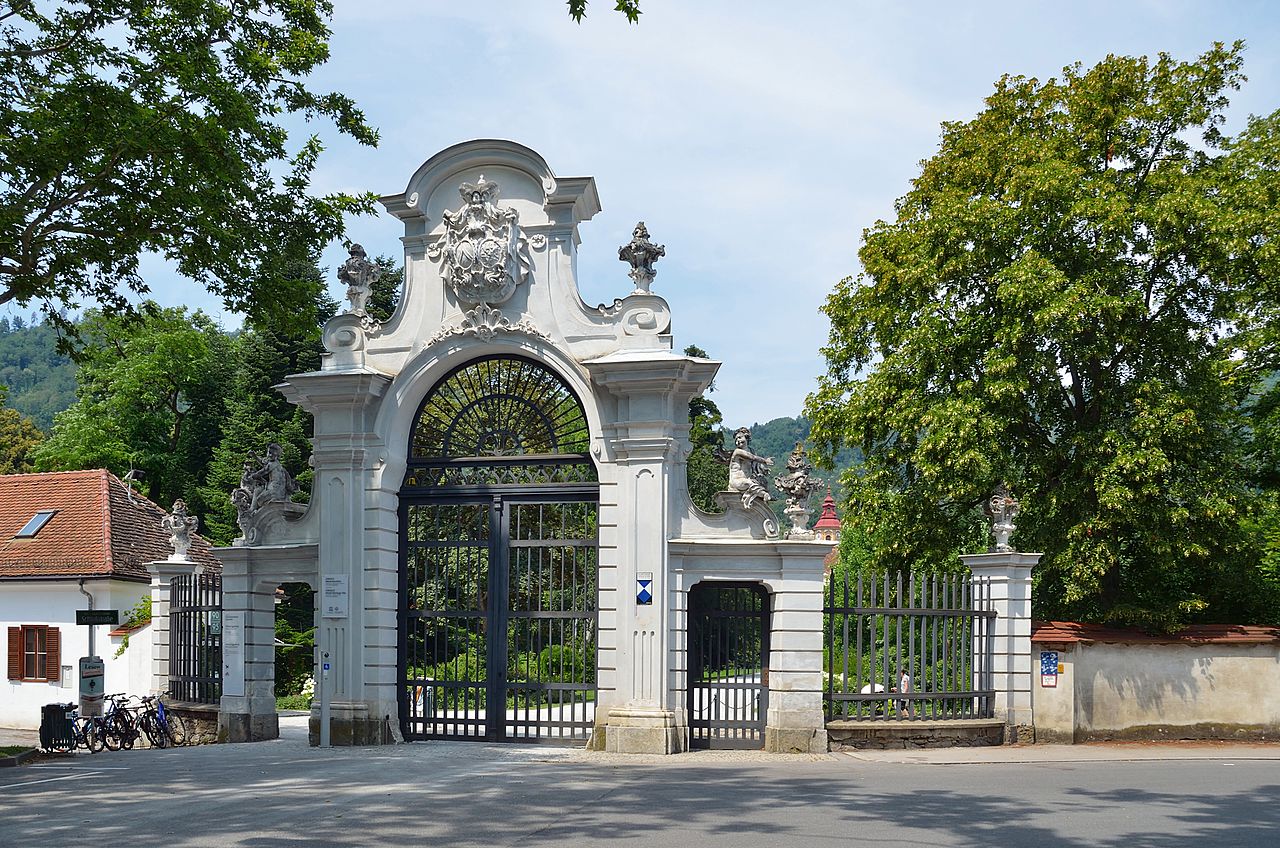
Eggenberg Palace, often called Schloss Eggenberg, stands on the western edge of Graz and is regarded as the most important Baroque palace in the Austrian region of Styria. The complex combines an urban position with landscaped grounds and houses a major art and cultural collection managed by the regional museum. The palace was long associated with the noble House of Eggenberg and in 2010 it was inscribed on the UNESCO World Heritage list for its outstanding ensemble and historic preservation. See the palace entry at Schloss Eggenberg and cultural listings at UNESCO.
Image gallery
10 Images




Architecture and symbolic design
The building is a prominent example of Baroque architecture adapted to local traditions. Its design is notable for symbolic numerology and cosmological references: rooms, windows and decoration have been interpreted as calendar and planetary motifs reflecting contemporary interests in astronomy and courtly symbolism. Interior highlights include richly painted ceilings and a so-called Planetary Room with allegorical frescoes. Architectural descriptions and Baroque contexts are discussed at Baroque resources and regional guides at Styrian heritage.
Collections, museum role and displays
The palace serves as a museum branch of the Universalmuseum Joanneum and presents a broad sweep of European art history from the medieval period to early modern art. Visitors encounter historic furnishings, paintings, and decorative arts that trace five centuries of artistic change. Curatorial information and visiting details can be found through the museum portal at museum collections and the region's cultural listings at Austrian cultural sites.
Gardens, lapidarium and site features
Beyond the main building the estate includes the Planetary Garden, laid out to complement the palace's celestial themes, and a lapidarium exhibiting Roman and medieval stone fragments discovered in the area. These outdoor elements illustrate how landscape design and antiquities were integrated into noble estates. Practical visitor information and garden descriptions are available via site information and specialized guides at regional guides.
History and significance
While the site evolved over several centuries, its most visible character dates to early modern remodelling by the Eggenberg family and court artists. The palace exemplifies how private princely residences projected power, learning and taste: an architectural statement combining residence, representation and museum-like display of art and antiquities. Its recognition by preservation bodies underlines its cultural importance in Austria and Europe.
Visiting and notable facts
Eggenberg Palace attracts visitors for its architecture, frescoes, gardens and museum holdings. Practical tips for planning a visit include checking opening hours, guided tour availability and temporary exhibitions through the museum links above. Notable points of interest on site include the Planetary Room, the lapidarium of Roman stonework and the palace's richly decorated state rooms. For up-to-date visitor services consult the linked resources.
- Principal links: palace overview, UNESCO listing
- Further reading: Baroque art, Styrian history
- Museum and collections: collections, Austrian sites
- Site and practical info: site details, visitor guide
Related articles
Author
AlegsaOnline.com Eggenberg Palace (Schloss Eggenberg) — Baroque palace in Graz, Austria Leandro Alegsa
URL: https://en.alegsaonline.com/art/30368