
Allergic rhinitis (hay fever): causes, symptoms and treatment
Allergic rhinitis (hay fever) is inflammation of the nasal lining caused by airborne allergens. This article explains symptoms, common triggers, mechanisms, diagnosis, treatments and prevention.
Allergic rhinitis, commonly called hay fever or pollinosis, is an allergic inflammation of the nasal passages that occurs when the body's defenses respond to otherwise harmless airborne substances. The condition ranges from a seasonal problem related to plant pollen to a year-round issue caused by indoor allergens. Many people experience reduced sleep quality, concentration and general wellbeing during flare-ups.
Image gallery
3 Images
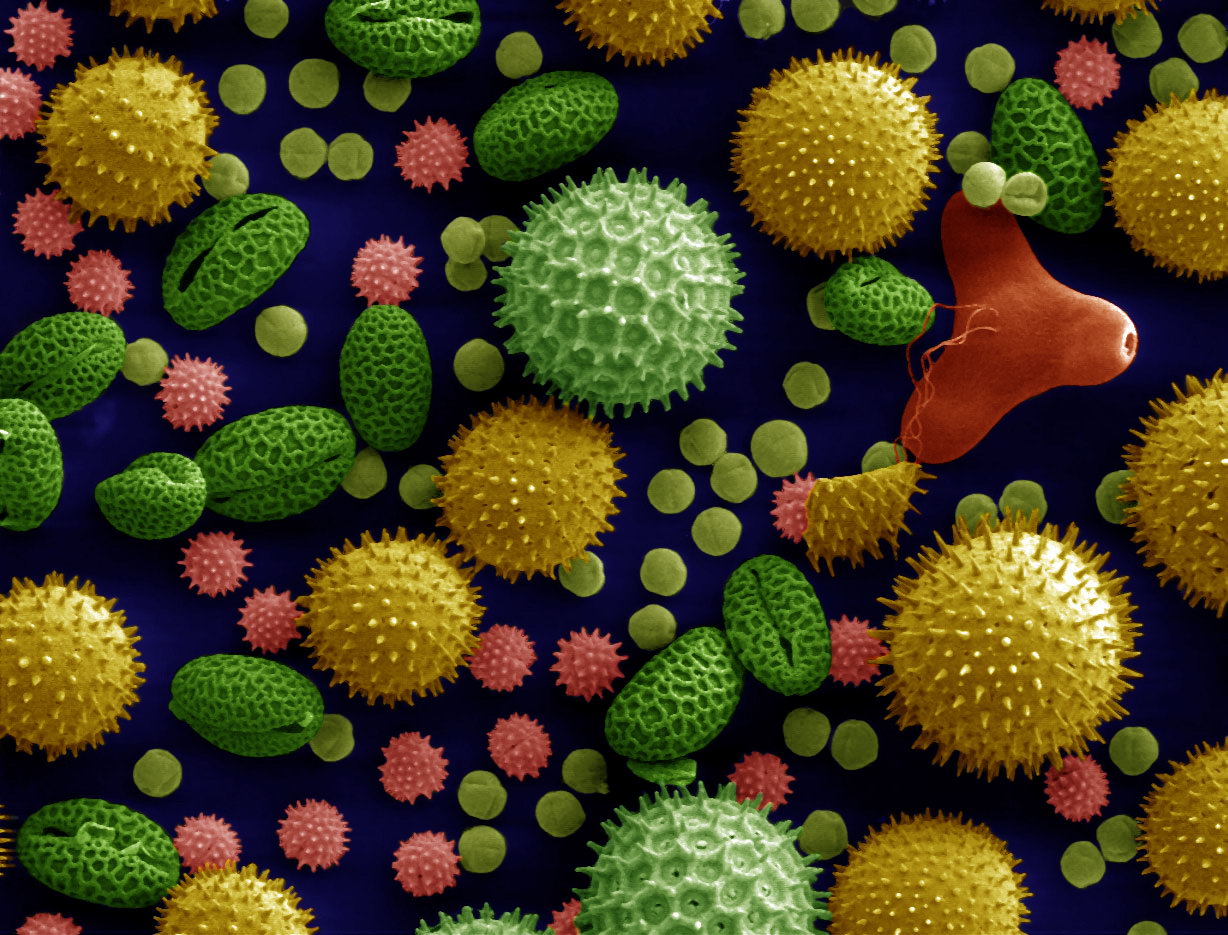

Typical symptoms
Symptoms usually involve the upper respiratory tract and eyes. Common signs include:
- Nasal: congestion, runny nose, frequent clear discharge and itching affecting the nasal mucosa and nose.
- Eye symptoms: red, watery, itchy or swollen eyes.
- Other: repetitive sneezing, postnasal drip, coughing and fatigue.
Causes and mechanism
Allergic rhinitis is an IgE-mediated immune reaction: exposure to an allergen triggers the immune system to activate mast cells in the nose and eyes, releasing histamine and other mediators that produce swelling, redness and mucus. Typical environmental triggers include outdoor pollen from trees, grasses and weeds as well as indoor agents such as dust mites, animal dander, and mold spores.
Types and when they occur
Allergic rhinitis falls broadly into two patterns. Seasonal allergic rhinitis follows pollen cycles in spring, summer or autumn. Perennial allergic rhinitis persists year-round, often caused by indoor allergens. Some people experience both patterns.
Diagnosis and treatment
Diagnosis is based on history and physical examination; allergy testing (skin or blood tests) can confirm specific sensitivities. Management aims to reduce exposure and relieve symptoms. Typical measures include:
- Avoidance strategies: limiting time outdoors when pollen is high, using HEPA filters, washing bedding and controlling indoor humidity.
- Medications: oral or intranasal antihistamines, intranasal corticosteroids, and short-term decongestants for congestion.
- Allergen immunotherapy: graded exposure by injection or sublingual tablets can reduce sensitivity over months to years for selected patients.
- Specialist options: for severe or treatment-resistant cases, additional therapies and referrals may be considered.
Impact and prevention
Allergic rhinitis is common across age groups with a peak in young adults; it can worsen or coexist with asthma and sinusitis and has measurable effects on work and school performance. Preventive steps include monitoring pollen forecasts, keeping windows closed during high pollen periods, pet management if allergic to dander, and regular cleaning to reduce indoor allergen levels. Seek medical advice when symptoms persist, are severe, or interfere with daily life.
For further reading and clinical guidance, consult reputable sources or an allergy specialist. Additional resources may be found via authoritative links: inflammation basics, nasal anatomy, immune responses, allergen types, sneezing reflex and pollen information.
Related articles
Author
AlegsaOnline.com Allergic rhinitis (hay fever): causes, symptoms and treatment Leandro Alegsa
URL: https://en.alegsaonline.com/art/2806
Sources
- niaid.nih.gov : "Allergic Rhinitis"
- niaid.nih.gov : "Environmental Allergies"