
Allergy: causes, symptoms, diagnosis, and management
An allergy is an immune system hypersensitivity to normally harmless substances. This article explains mechanisms, common triggers, symptoms, diagnosis, treatments and differences from intolerance.
An allergy is a condition in which the body's immune system reacts against substances that are normally harmless to most people. These substances, called allergens, provoke an inappropriate defensive response by immune cells. The immune system's role in defending the immune system and protecting the body from real threats is essential, but in allergy that response is misdirected.
Image gallery
10 Images


How allergic reactions occur
Most allergic responses involve antibodies and immune cells that identify an allergen as a threat. In many common forms the antibody class IgE binds to allergens and triggers mast cells to release chemical mediators such as histamine, producing symptoms. Reactions vary in timing and severity: some are immediate, others delayed. The underlying mechanism distinguishes allergy from other immune disorders.
Common symptoms and signs
- Respiratory: sneezing, nasal congestion, itchy or watery eyes, coughing and wheeze.
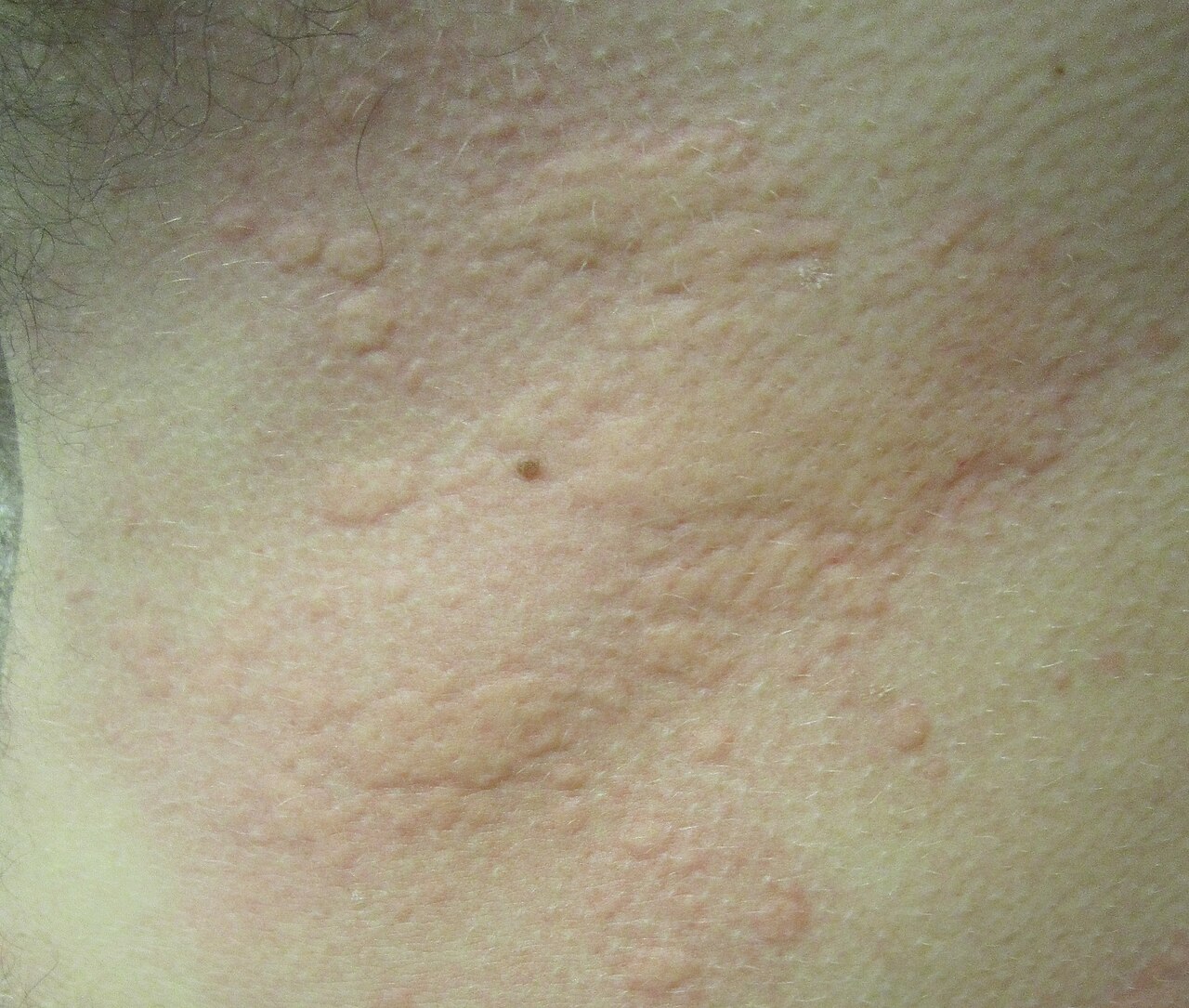
- Skin: hives, eczema flare-ups, local swelling or redness.
- Gastrointestinal: nausea or abdominal pain with food-related allergy.
- Systemic: in severe cases anaphylaxis with difficulty breathing and drop in blood pressure.
Frequent triggers
Typical allergens include pollens, dust mites, animal dander, insect venoms, certain foods (such as peanuts, shellfish and milk), and medicines. Environmental and occupational exposures can also cause reactions. By contrast, pathogens such as bacteria and viruses are ordinary targets of the immune system rather than common allergens.
Diagnosis and management
Diagnosis is based on clinical history and may be supported by skin-prick tests or specific IgE blood tests. Management focuses on avoiding known triggers, using symptomatic treatments such as antihistamines, inhaled or topical corticosteroids, and carrying emergency epinephrine for those at risk of anaphylaxis. Immunotherapy (allergy shots or tablets) can reduce sensitivity for some allergens under medical supervision.
History, trends and important distinctions
Descriptions of allergic-like conditions date back many years, and medical recognition has increased with advances in immunology. Reports suggest allergic conditions have become more commonly diagnosed in recent decades in many regions. It is important to distinguish true immune-mediated allergy from food intolerance, chemical sensitivities, or autoimmune disease: allergy implies an identifiable immune response to an external substance.
Anyone with suspected allergy should seek assessment from a healthcare professional for accurate diagnosis and a personalized management plan. Preventive measures, clear labelling of foods and awareness of high-risk exposures help reduce harm from allergic reactions in communities.
Questions and answers
Q: What is allergy?
A: Allergy is when the immune system defends the body against attack by bacteria and viruses, but sometimes goes wrong and is triggered by something like food or pet.
Q: What is the immune system?
A: The immune system is a complex network of cells, tissues, and organs that work together to defend the body against attacks by foreign invaders.
Q: What causes allergic reactions?
A: Allergic reactions are caused by the immune system overreacting to a substance that is harmless to most people.
Q: Can allergies be prevented?
A: Allergies cannot always be prevented, but avoiding known triggers and taking steps to reduce exposure to allergens can help to manage symptoms and prevent reactions.
Q: What are some common allergy triggers?
A: Some common allergy triggers include pollen, dust mites, mold, pet dander, foods like peanuts and shellfish, and certain medications.
Q: How are allergies treated?
A: Treatment for allergies may include avoiding triggers, taking medication to relieve symptoms, and in severe cases, undergoing allergy shots or other immunotherapy.
Q: What is an allergic reaction?
A: An allergic reaction is a response by the immune system to a substance that is harmless to most people, resulting in symptoms such as sneezing, itching, and hives. In severe cases, an allergic reaction can cause anaphylaxis, a life-threatening condition.
Tags
Related articles
Author
AlegsaOnline.com Allergy: causes, symptoms, diagnosis, and management Leandro Alegsa
URL: https://en.alegsaonline.com/art/2807
Sources
- indigoorganic.com : "Are you aware of your allergic symptoms?"