
DIY (Do It Yourself): practices, history, tools and community
DIY (Do It Yourself) describes people doing tasks themselves—home repair, crafts, creative projects—covering motivations, common projects, tools, safety, history and the wider DIY culture.
Overview
DIY, short for "do it yourself," refers to the practice of undertaking repairs, improvements, creative tasks or hobbies without engaging paid professionals. People pursue DIY to save money, learn new skills, customize results, or enjoy the process as a pastime. For complex or regulated work many homeowners still consult licensed professional help, but DIY ranges from one-hour crafts to multiweek renovations.
Image gallery
9 Images




Common types and characteristics
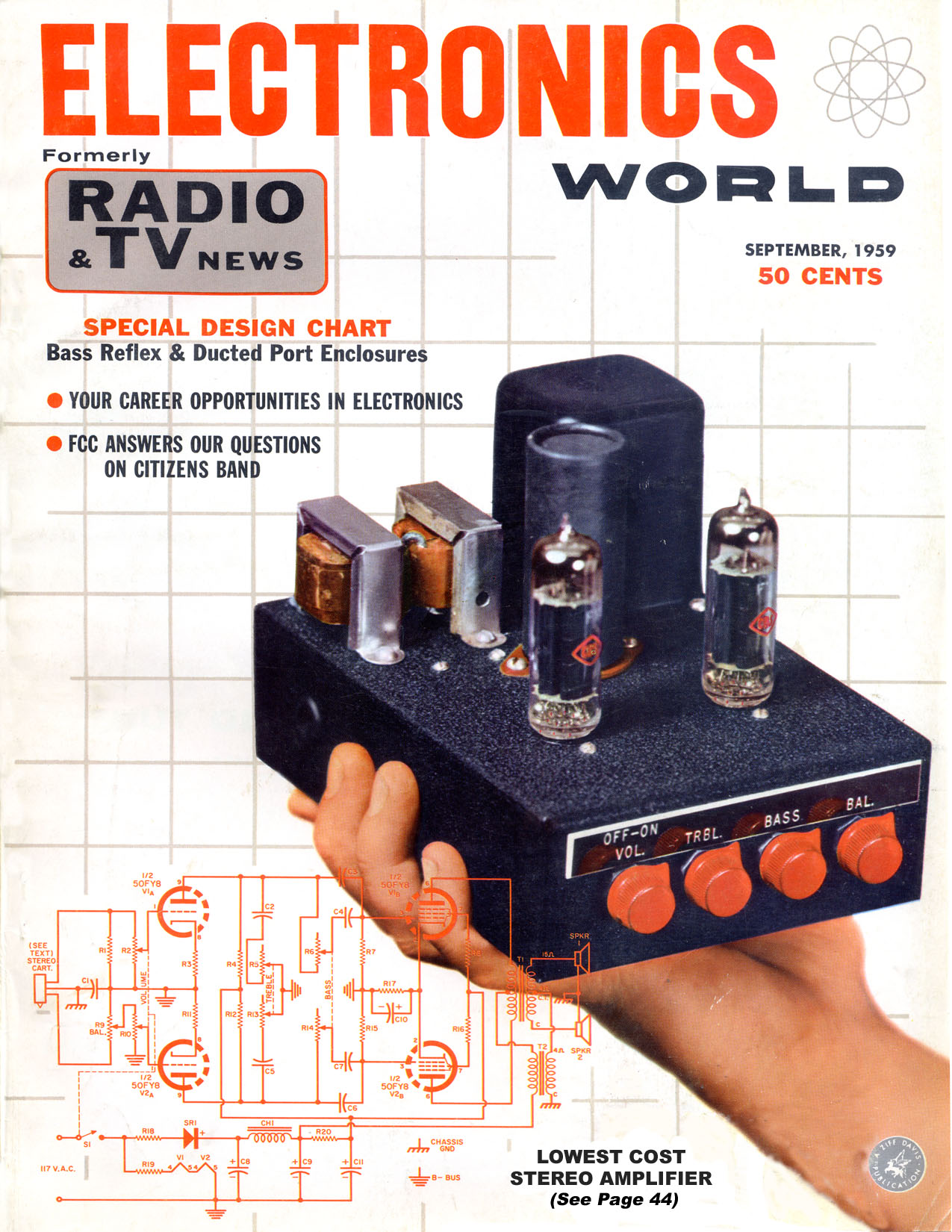
DIY projects vary in scale and discipline. Typical categories include simple home maintenance, remodeling, woodworking, sewing, electronics hobby kits, upcycling and arts-and-crafts. Enthusiasts often rely on shared guides, video tutorials and community advice found through hobby sites and hobby resources or step-by-step craft tutorials.
- Home repairs and light remodeling
- Furniture building and refinishing
- Textiles, sewing and costume work
- Electronics, maker projects and 3D printing
History and development
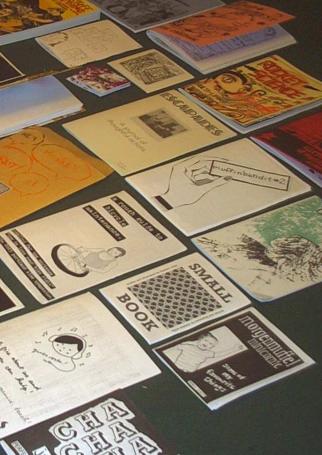
While informal self-repair has always existed, DIY became a visible cultural trend in the 20th century with mass-produced tools and materials, home-improvement retailers, and later the internet. It also intersects with artistic movements: a DIY culture informed independent music and publishing scenes, such as alternative rock, punk and indie communities, and the low-cost, self-produced work of the zine and fanzine movements.
Tools, learning and community
Essential tools depend on the craft but commonly include a basic set of hand tools, measuring devices, adhesives and protective gear. Learning pathways include books, workshops, makerspaces, online videos and local clubs. Communities and forums are central: they exchange troubleshooting tips, templates and project ideas.
Safety, limits and when to hire help
DIY can reduce costs and empower creativity, but it has limits. Electrical, structural, gas and major plumbing work often require permits and qualified tradespeople for safety and code compliance. Common safety recommendations include using appropriate protective equipment, following manufacturer instructions and recognizing when a task exceeds personal skill.
Practical value and examples
Everyday DIY improves self-reliance: fixing a leaky faucet, refinishing a table, sewing a garment, building a shelf or assembling electronics kits are typical examples. Beyond practical gains, DIY fosters problem-solving skills, community ties and sustainable practices such as repair and reuse.
Related articles
Author
AlegsaOnline.com DIY (Do It Yourself): practices, history, tools and community Leandro Alegsa
URL: https://en.alegsaonline.com/art/28016