
Zine: small‑press do‑it‑yourself magazines and their cultural role
Zines are small, self-published magazines or newspapers produced outside mainstream media. DIY in origin, they appear in many scenes—music, political, fandom—and persist in print and digital forms.
Overview
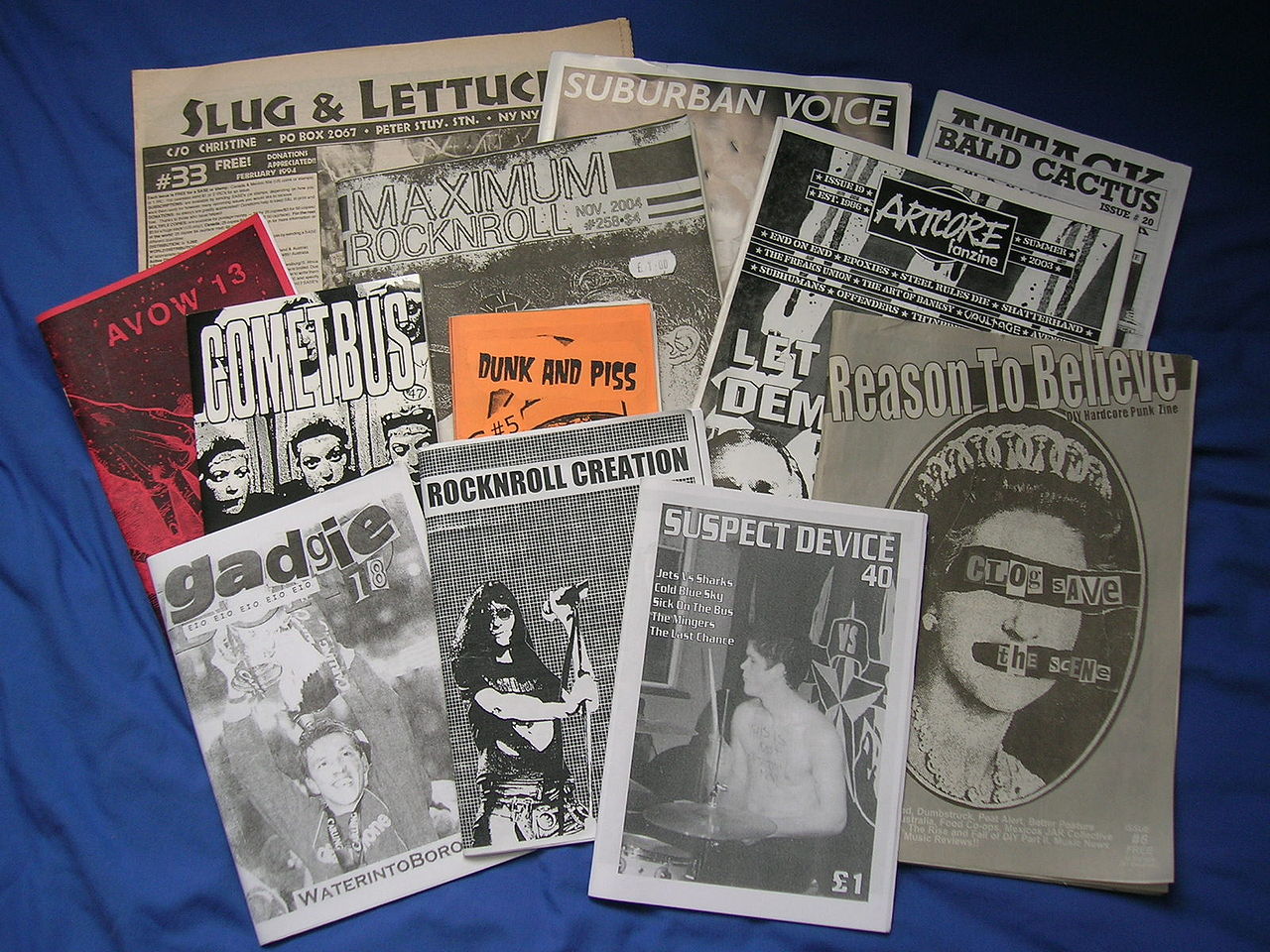
A zine is a small, often hand-crafted periodical created by individuals or small groups outside conventional publishing houses. Traditionally reproduced by photocopying or offset printing, a zine can resemble a compact newspaper or a bespoke magazine, and is typically distributed in limited runs. Zines emphasize personal voice, niche interests, and editorial independence rather than professional journalism.
Image gallery
7 Images


Characteristics and formats
Zines are defined more by how they are made and circulated than by any fixed subject matter. Most are made by amateurs or enthusiasts and use economical production methods to keep costs low. Common features include handwritten or cut‑and‑paste layouts, photocopied pages, and stapled bindings. Modern zines may also be distributed as PDFs or on websites.
- Typical contents: reviews, essays, interviews, art, manifestos, personal writing.
- Formats and production methods: photocopy (xerox), risograph, small offset, digital PDF, hand‑stitched chapbooks.
- Print runs are usually small, making many zines rare and locally focused.
Common topics and examples
Zines cover a wide range of interests. Music‑oriented zines often report on shows and bands and advertise releases in underground scenes like music. Political zines provide grassroots commentary on local and global issues (politics). Other long‑standing zine traditions include fan publications, art fanzines, and scene newsletters tied to particular subcultures.
History and cultural role
The practice of amateur periodical publishing predates photocopiers, but the rise of cheap reprographic technology made zine culture more accessible. Zines were especially important to movements that relied on independent communication channels: for example, the DIY press played a central role in the emergence of punk rock and hardcore punk, where they circulated show listings, reviews, and scene commentary. Science fiction fandom and other hobbyist communities also developed early fanzines as a way to share writing and ideas.
Distribution, legacy, and contemporary practice
Zines traditionally circulated through mail order, record shops, zine fairs and hand‑to‑hand exchanges. They helped connect dispersed communities before the internet and remain valued for their tactile, personal qualities. Today many creators publish both printed copies and digital versions, combining the DIY ethos with broader reach. Zines continue to influence independent publishing, visual art, and grassroots organizing.
Notable distinctions and collecting
Unlike professionally produced magazines, zines prioritize autonomy, niche content, and low cost over mass appeal. Collectors and archives preserve single‑issue runs that document local scenes and movements; such holdings are used by researchers studying cultural history. For further reading on zine production and distribution, see resources on DIY publishing and independent music scenes via newspaper guides, magazine networks, and community archives. Additional starting points include introductory how‑to guides (political zine models), music scene lists (music zine examples), and histories of fandom and underground press (amateur publishing).
Further context and resources can be explored through community collections and online repositories that preserve zine culture and its impact on alternative media and grassroots communication. For practical tips, many zine workshops and local DIY spaces offer hands‑on instruction and distribution connections (journalism alternatives; punk rock scene guides; hardcore punk flyers; subcultures mapping).
Related articles
Author
AlegsaOnline.com Zine: small‑press do‑it‑yourself magazines and their cultural role Leandro Alegsa
URL: https://en.alegsaonline.com/art/110635