
Divination: Practices, History, and Cultural Contexts
Overview of divination: methods and materials, historical and cultural roles, distinctions from fortune‑telling, social functions, and contemporary perspectives on ritual and interpretation.
Divination denotes a wide range of practices intended to obtain knowledge about the unknown by interpreting signs, patterns, or messages believed to come from beyond ordinary perception. The term traces to ancient words for seer; across cultures diviners have used formal methods and symbolic systems to address questions about weather, crops, conflict, health, and personal decisions. Scholars treat divination both as a set of techniques and as a social practice that gives meaning and authority to particular forms of knowledge. For general background and compiled data see information sources.
Image gallery
5 Images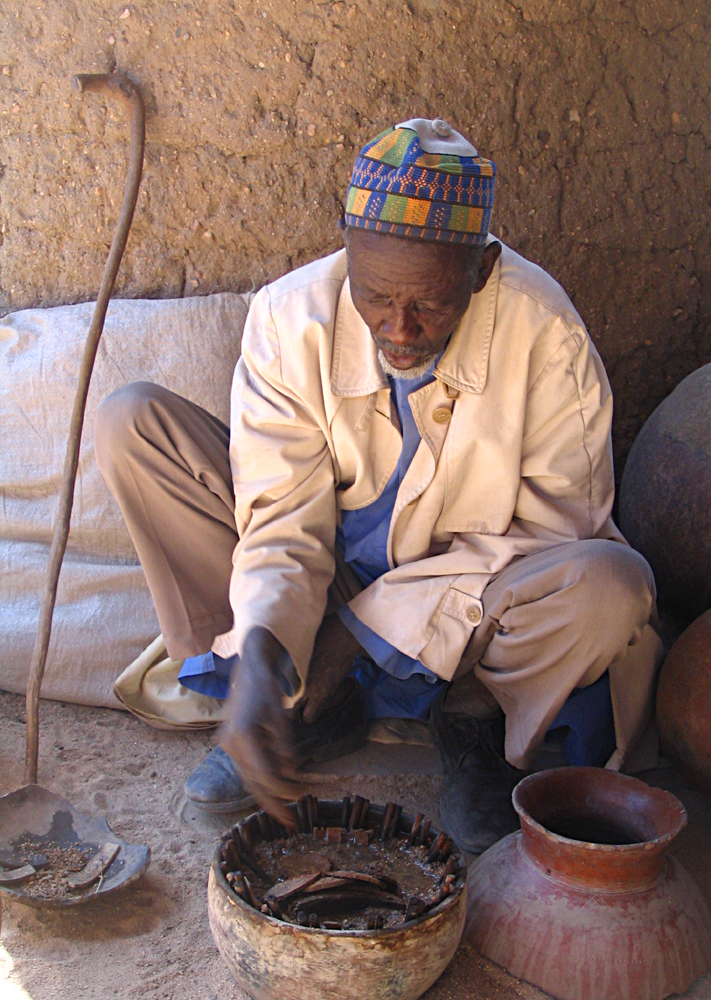


Common methods and materials
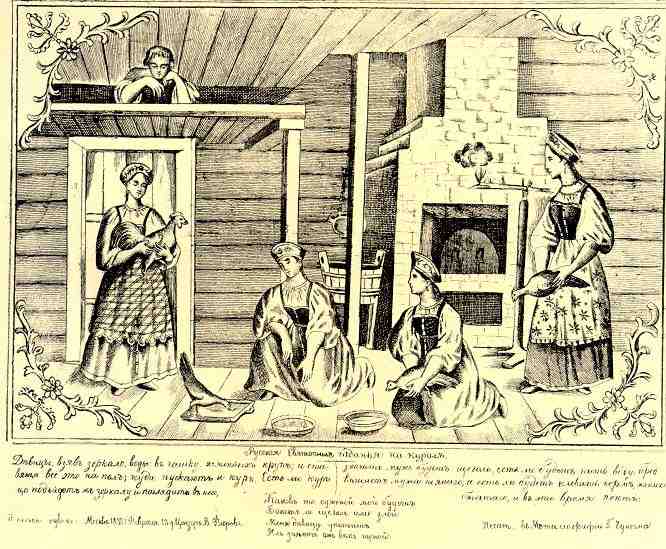
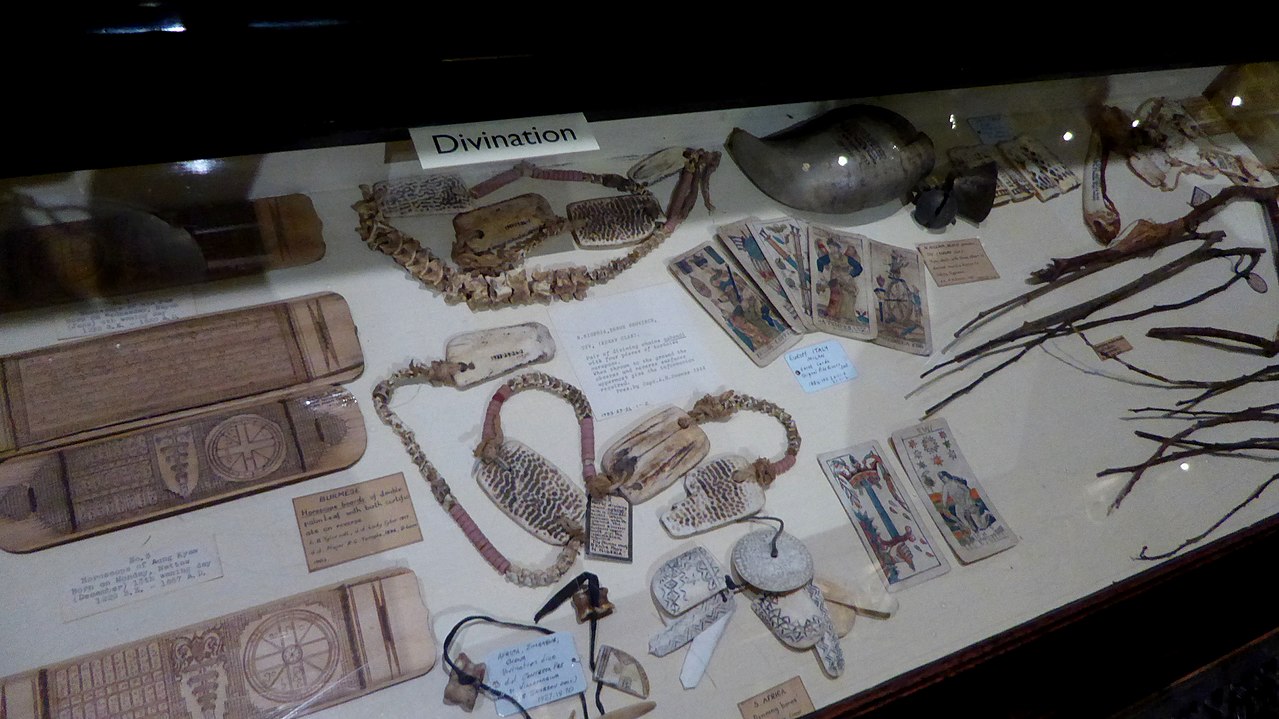
Techniques vary by culture, available materials, and ritual context. Common methods include reading natural signs and animal behavior, observing the flight of birds or the behavior of domestic animals; examining random patterns produced by casting lots, pebbles, or marked objects; interpreting entrails or other body parts in sacrificial systems; consulting celestial charts and planetary positions; and using mirrors, water, flames or crystals to perceive images. Many systems use sets of symbols such as cards, stones, or marked sticks that are drawn and interpreted according to established rules.
- Augury and omens: interpretation of natural phenomena and signs, often used by communities and leaders (omens).
- Astrology and celestial methods: relating events to positions of the sun, moon, and planets.
- Scrying and mediumship: perceiving images or messages through reflective surfaces or trance states (supernatural communication).
- Cleromancy and lot casting: randomization techniques formalized into interpretive systems.
- Card and rune reading: structured symbolic sets employed in ritual contexts.
History and cultural roles
Divination has played institutional roles in many societies. In some ancient states diviners advised rulers on military or agricultural decisions; in temple contexts specialists coordinated rituals according to religious calendars. Practices moved between elite and popular settings: astrology could appear in scholarly treatises and in street consultations, while other methods remained tied to local healers or ritual specialists. Regional traditions adapt techniques to local cosmologies and moral frameworks.
Ritual form, social function, and distinction from fortune‑telling
Divination is often embedded in ritual frameworks, involving prescribed procedures, specialists, and community validation. This ritual structure distinguishes divination from informal fortune‑telling, which tends to focus on personal advice and entertainment rather than communal decision making. Where divination occurs within organized religion it may be treated as part of sacred practice, overseen by priests or sanctioned readers (religious contexts). At the same time, many divinatory acts are secular or therapeutic in modern settings, and their social significance depends on cultural norms and legal frameworks.
Interpretation, critique, and modern perspectives
Interpretation requires symbolic literacy: diviners translate signs into actionable guidance using established meanings and intuitive judgment. Critics emphasize the lack of empirical predictability and note cognitive biases that shape interpretation; proponents emphasize meaning‑making, ritual efficacy, and the role of divination in structuring decisions and reducing uncertainty. Contemporary interest intersects anthropology, history, psychology, and new spiritual movements; academic studies treat divination as both a historical phenomenon and a living practice.
For further study consult comparative surveys of ritual practice and specialized literature on regional systems, including manuals on technique, ethnographic reports, and works that analyze the social and psychological dimensions of divinatory activity (ritual studies, religious studies). Practical introductions and compilations of methods can be found in accessible guides and reference collections (information). Researchers and readers should distinguish descriptive accounts from prescriptive or promotional materials when evaluating claims and historical interpretations.
Related articles
Author
AlegsaOnline.com Divination: Practices, History, and Cultural Contexts Leandro Alegsa
URL: https://en.alegsaonline.com/art/27804