
Dionysian Mysteries: rites, history and cultural significance
The Dionysian Mysteries were ancient Greek and Roman religious rites for Dionysus involving music, dance, intoxicants, and ecstatic practices that challenged social norms and offered inclusion to marginalized groups.
Overview
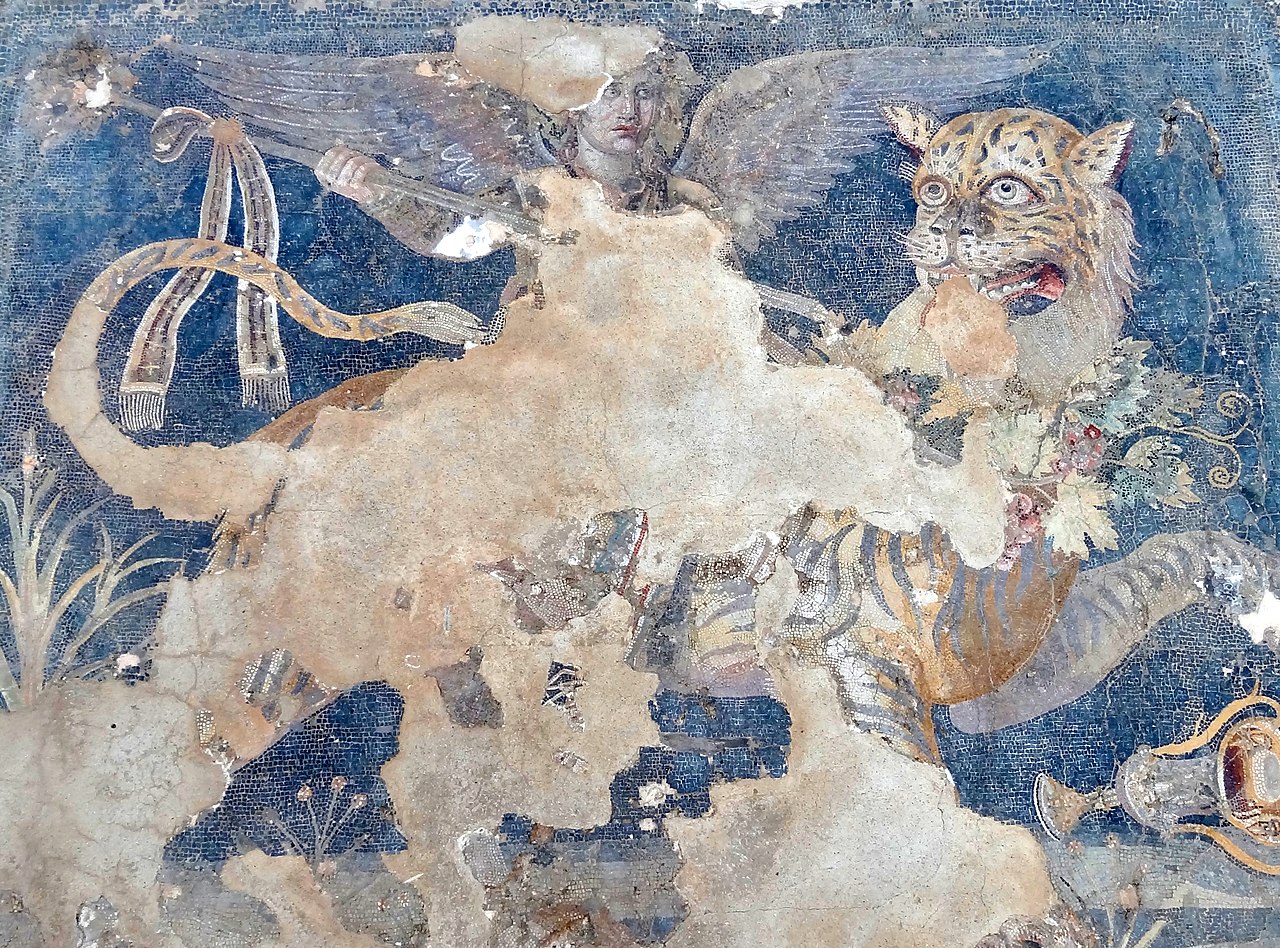
The Dionysian Mysteries were a set of religious ceremonies associated with the god Dionysus. Practiced in ancient Greece and later adapted in Rome, these rites aimed to produce altered states of consciousness, communal bonding, and a temporary release from ordinary social roles. Scholars describe them as both public festivals and secretive initiatory experiences that combined theatrical, musical, and ritual elements.
Image gallery
3 Images

Origins and historical development
Origins of the Mysteries are rooted in archaic Greek religion and may reflect older Mediterranean shamanic practices. Over centuries the rites evolved from rural rites of seasonal fertility into city-based festivals and mystery cults. Literary and archaeological evidence suggests variations in practice across regions and times, with some ceremonies kept private and others open to spectators and participants alike.
Ritual characteristics
Common features included communal celebration, sensory stimulation, and symbolic inversion of social restraints. Typical elements were:
- Use of intoxicants and libations, including wine (alcohol) to alter perception.
- Rhythmic music and vigorous dancing to sustain ecstatic states.
- Processions, masks, and dramatic performance that blurred the line between actor and deity.
- Secret knowledge or initiation rites conveyed to new members (ritual instruction).
Social role and participants
The Mysteries provided avenues of participation for people often excluded from elite civic life. Women (women), foreign residents, and those in servile positions, including slaves, could take active ritual roles and sometimes achieve social recognition within the cult. The ceremonies could function as a release valve for social tensions and as a means of creating solidarity across class and gender lines, granting a sense of spiritual freedom.
Reception, adaptation and legacy
In Rome and other Hellenistic contexts Dionysian practices were sometimes suppressed or regulated because authorities feared loss of order, yet elements persisted and syncretized with local cults. The Mysteries influenced drama, philosophical reflections on ecstasy and restraint, and later religious movements that valued personal religious experience. Modern scholarship treats them as complex phenomena combining theology, performance, and social transformation.
Notable distinctions
While commonly associated with revelry, the Mysteries encompassed structured initiation and doctrinal aspects as well as ecstatic practice. Interpretations range from viewing them as disorderly spectacles to understanding them as disciplined spiritual paths. For further summaries and source compilations see general references and specialized studies linked from introductory entries and academic overviews (ritual studies, Greek religion, Roman reception).
Related articles
Author
AlegsaOnline.com Dionysian Mysteries: rites, history and cultural significance Leandro Alegsa
URL: https://en.alegsaonline.com/art/27545