
Diesel generator: overview, components, uses, history, and maintenance
Diesel generators (gensets) combine a diesel engine and an electrical generator to provide standby, prime or remote power. Covers design, components, operation, maintenance, selection and environmental considerations.
Overview
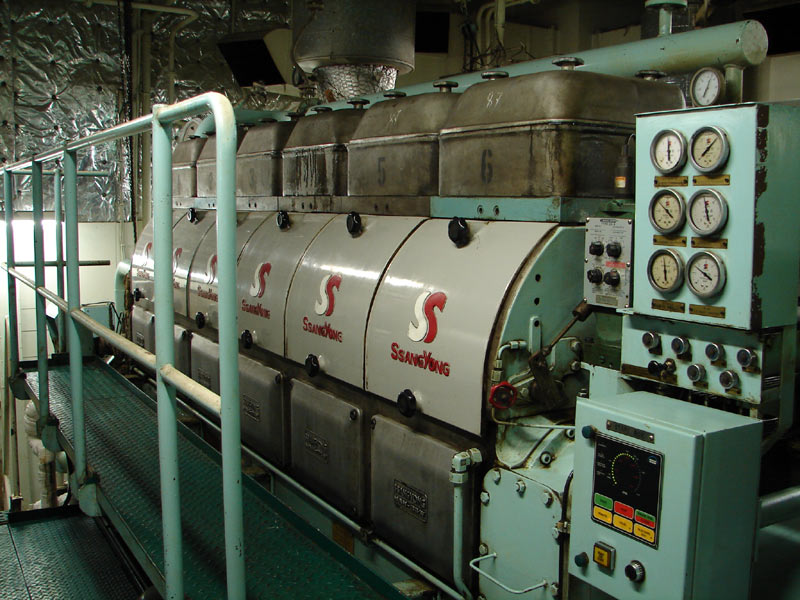
A diesel generator, commonly called a genset, is a machine that uses a diesel-electric arrangement in which a diesel engine drives an electrical generator to produce electricity. Gensets supply power where there is no electricity from an external electrical grid, where a reliable backup is required, or where portable or prime power is needed. Typical installations range from small portable units for construction work to large stationary units that support hospitals, data centers and industry.
Image gallery
3 Images

How it works
The diesel engine converts chemical energy in fuel into mechanical rotation. That mechanical energy drives an alternator to generate alternating current. Governing and control subsystems regulate engine speed and alternator output to maintain voltage and frequency. Many gensets include automatic controllers that start the engine and transfer loads when grid power fails, then stop the engine when normal supply returns.
Main components and common features
- Engine and fuel system: the internal combustion engine and its diesel fuel storage and delivery system, filters and fuel pumps.
- Alternator (generator): converts mechanical rotation to electrical power; includes excitation and cooling systems.
- Control system: instruments and an electronic control system for monitoring, protection, automatic start/stop and paralleling.
- Protection and distribution: circuit breakers, transfer switches and switchgear, including a circuit breaker, meters and safety interlocks.
- Support systems: starting batteries or starters, cooling, lubrication, exhaust silencing, baseframe, enclosure and fuel management.
Types and applications
Gensets are specified by duty: standby units provide emergency power for short periods; prime units supply continuous power at sites without grid access; continuous or industrial units run for long durations. Portable gensets serve small tools and temporary sites, while large stationary plants can be paralleled for increased capacity or redundancy. Common applications include hospitals, telecommunications, remote mining and construction, marine propulsion and agricultural uses.
Sizing, selection and installation
Selecting a genset requires estimating electrical load, starting currents of motors and the intended duty cycle. Ambient temperature, altitude, ventilation, fuel availability and local regulations affect choice and siting. Installation typically involves a secure base, proper ventilation for combustion air and exhaust, sound attenuation and connection to distribution via transfer switches or paralleling switchgear.
Fuel, emissions and efficiency
Diesel fuel is energy-dense and supports efficient combustion at high loads. Gensets are most efficient near rated load; light loading can reduce fuel economy and increase maintenance needs. Emissions from diesel engines include particulates and nitrogen oxides; modern units may employ cleaner combustion designs and aftertreatment systems to meet emissions standards. Operators should follow local rules on emissions, fuel storage and spill prevention.
Operation, maintenance and safety
Regular maintenance—periodic oil and filter changes, coolant and battery checks, exercise runs and inspection of belts, hoses and exhaust—extends service life and ensures readiness. Safety practices include adequate ventilation for exhaust gases, safe fuel handling, lockout procedures for electrical work and compliance with noise regulations. Automated monitoring and remote telemetry can aid rapid response during outages.
History and development
The diesel engine, developed in the late 19th century, was soon used to drive electrical generators as internal-combustion machinery matured. Over decades gensets have evolved with improved control electronics, lower noise enclosures, emissions reduction technologies and systems that allow multiple units to operate in parallel for reliability and capacity scaling.
For technical specifications and procurement guidance consult manufacturer data sheets, industry standards and local codes; compare alternator ratings, control features, fuel consumption and emissions performance when evaluating units.
Related articles
Author
AlegsaOnline.com Diesel generator: overview, components, uses, history, and maintenance Leandro Alegsa
URL: https://en.alegsaonline.com/art/27303