
Diatomic molecules
Diatomic molecules are chemical species made of exactly two atoms. This article explains their types, bonding and electronic features, common examples, occurrence, uses, and distinguishing properties.
Overview
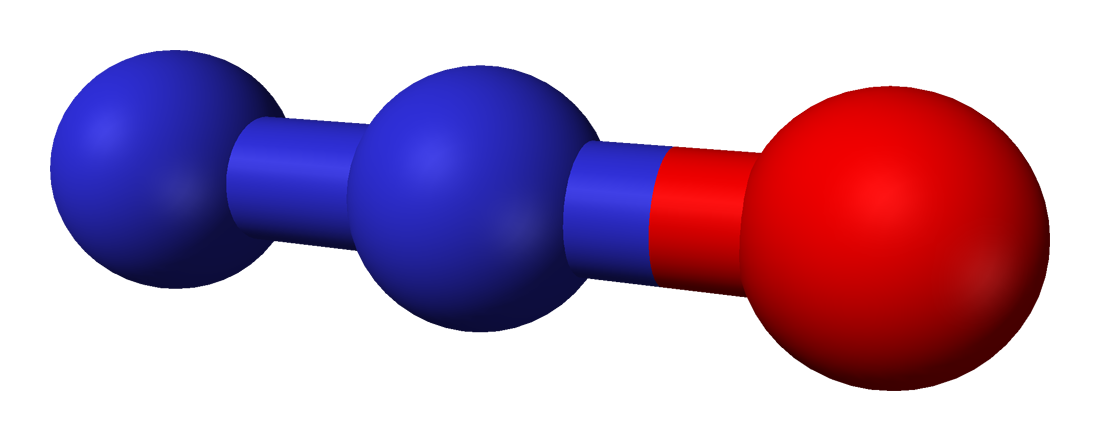
A diatomic molecule is a chemical unit formed from exactly two atoms. These atoms may be of the same element (homonuclear) or of different elements (heteronuclear). The term describes the simplest class of molecules and applies to gases and condensed-phase substances alike. For a general introduction to the concept see molecules.
Image gallery
6 Images




Structure and bonding
Diatomic species are held together by chemical bonds that arise from shared or transferred electrons. Simple models such as valence-bond and molecular-orbital theories explain bond order, bond length and bond energy. Homonuclear diatomics often lack a permanent dipole moment because identical atoms share electrons symmetrically, while heteronuclear diatomics can be polar. Molecular orbital descriptions also predict features like the paramagnetism of oxygen, which classical Lewis structures cannot fully explain; these ideas are part of modern accounts of how two atoms are bonded together.
Common examples
- H2 — molecular hydrogen, abundant in interstellar space and important in chemical industry.
- N2 — nitrogen gas, a major component of Earth’s atmosphere known for its strong triple bond and chemical inertness under normal conditions.
- O2 — dioxygen, essential for respiration and notable for its paramagnetic character.
- CO — carbon monoxide, a heteronuclear diatomic with a polar bond that is both a useful ligand in coordination chemistry and a toxic gas in biology.
- Other examples include the halogen molecules F2, Cl2, Br2 and I2, each of which forms homonuclear diatomic species in elemental form.
Occurrence and uses
Diatomic molecules occur widely in nature and technology. N2 and O2 dominate Earth’s atmosphere; H2 is central to astrochemistry and is used as a fuel and reducing agent; CO is produced in combustion and industrial processes and is important in metallurgy and synthesis. Many diatomics are industrial feedstocks, energy carriers, or gases monitored for environmental and health reasons.
History and methods of study
Recognition of molecules as distinct from atoms evolved through 18th- and 19th-century chemistry and laws relating volumes and combining masses. In the 20th century, quantum mechanics and spectroscopy provided detailed tools to measure rotational and vibrational levels of diatomic molecules, yielding precise bond lengths and energies and deepening the theoretical understanding of molecular bonding.
Notable properties and distinctions
Important distinctions include homonuclear versus heteronuclear composition, bond order (single, double, triple), and electronic behavior (diamagnetic versus paramagnetic). Practical consequences follow: homonuclear diatomics often show weak infrared absorption because they lack a permanent dipole, while heteronuclear diatomics interact strongly with infrared radiation and are therefore prominent in spectroscopic detection and remote sensing. For introductory summaries on related elements and atomic interactions see additional resources, or consult textbooks that discuss how atoms combine into molecules and how simple diatomics are bonded in varied chemical contexts.
For further reading and data on individual species, follow specialist sources on molecular spectroscopy and chemical thermodynamics which list measured constants for H2, N2, O2 and CO.
Related articles
Author
AlegsaOnline.com Diatomic molecules Leandro Alegsa
URL: https://en.alegsaonline.com/art/27154
Sources
- books.google.com : Chemistry