
Dhanteras: festival of wealth, health and the opening day of Diwali
Dhanteras, observed on the 13th lunar day of Krishna Paksha in Ashwin, marks the start of Diwali in parts of South Asia. It honors Dhanvantari, invites prosperity, and is linked to Ayurveda and commerce.
Overview
Dhanteras is a Hindu observance that serves as the customary opening of the Diwali festival season in many parts of India and as part of Tihar celebrations in Nepal. The name combines the Sanskrit words for wealth (dhan) and the thirteenth day (teras or trayodashi), and it is also called Dhanatrayodashi in Marathi and rendered in Hindi as Dhanteras. Observance falls on the thirteenth lunar day (Trayodashi) of the dark fortnight (Krishna Paksha) in the month of Ashwin in the Vikram Samvat calendar, which usually corresponds to October or November in the Gregorian calendar.
Image gallery
1 Image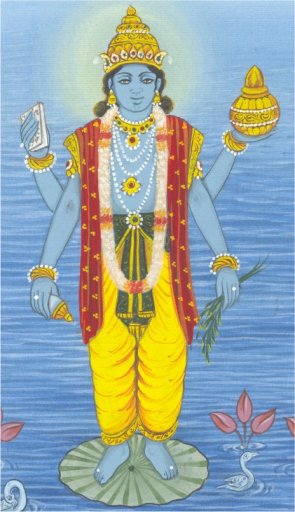
Meaning and religious significance
Religious meaning is twofold. First, Dhanteras is associated with the worship of wealth, prosperity and good fortune, often personified by the goddess Lakshmi and the god Kubera. Second, it honors Dhanvantari, the divine physician in Hindu tradition who is said to have appeared during the churning of the ocean and who is regarded as the originator of Ayurvedic medicine. Because of that association the Indian government’s ministry of AYUSH designated this day as the observance of National Ayurveda Day from 2016 onward, linking the festival’s ritual concerns with health and traditional medicine.
Customs and common practices
Typical observances blend household, commercial and devotional acts meant to invite protection and prosperity for the coming year. Common practices include:
- Cleaning and decorating homes and business premises and lighting small oil lamps (diyas) at dusk;
- Buying precious metals, jewellery, or new utensils—purchases made on Dhanteras are widely regarded as auspicious for financial well‑being;
- Performing short pujas (rituals) to Lakshmi, Kubera or Dhanvantari, often with offerings of sweets and flowers;
- Some business communities open new account books or perform accounting rituals like Chopda Puja or similar ceremonies to begin a new financial year;
- In certain regions livestock or tools are honoured as sources of livelihood.
Regional variations and modern observance
The way Dhanteras is observed varies by region, community and family tradition. In parts of western India, the exchange of new account books and ledgers remains important; in southern and eastern regions emphasis may be stronger on medical and healing symbolism tied to Dhanvantari. In Nepal the day appears as part of the five‑day Tihar festival and is integrated into local rituals and timings that differ from those followed in India. Urban celebrations often combine traditional puja with commercial sales—jewelers and retailers frequently run promotions around Dhanteras because of the cultural preference for buying gold and silver on this day.
History, origins and notable facts
The festival’s origins are embedded in Hindu myth and long‑standing folk practice rather than a single historical event. Scriptural narratives that mention the divine physician and the delivery of amrita (nectar of immortality) are commonly referenced to explain the day’s health connotations, while practical associations with wealth and trade appear to have developed as mercantile communities adopted the date as an auspicious time to begin business activities. Modern governments and health ministries have sometimes used Dhanteras to promote traditional medicine and public health: for example, the AYUSH ministry in India began observing the date as National Ayurveda Day in 2016 to raise awareness about traditional healing systems.
Distinctions and cultural importance
Dhanteras is distinct from the central Lakshmi Puja of Diwali, which occurs later in the Diwali sequence, but it functions as a prelude that sets a tone of prosperity and well‑being. It is both a religious observance and a social marker: ritual acts, purchases and public messaging around the day reinforce family, commercial and cultural rhythms ahead of the festival of lights. For an introduction to the wider Diwali festival and cultural context, readers often consult general festival guides and regional overviews found at reference sources and cultural institutions referenced via Diwali materials and related resources (Hindi term, Marathi term).
For further reading on traditional medicine and the day’s medical associations see resources on Ayurveda, and for regional differences consult festival descriptions specific to India and Nepal. Community notices and commercial calendars commonly list Dhanteras as the first important observance in the Diwali season each year.
Questions and answers
Q: What is Dhanteras?
A: Dhanteras is the first day of the festival of Diwali in India and the festival of Tihar in Nepal, celebrated on the thirteenth lunar day of Krishna Paksha in the Vikram Samvat Hindu calendar month of Ashwin.
Q: Who is worshipped on Dhanteras?
A: Dhanvantari, the god of Ayurveda who brought and shared the wisdom of Ayurveda for the betterment of mankind and to bring relief from the suffering of disease with Ayurvedic remedies, is also worshipped on Dhanteras.
Q: When is Dhanteras celebrated?
A: Dhanteras is celebrated on the thirteenth lunar day of Krishna Paksha in the Vikram Samvat Hindu calendar month of Ashwin.
Q: What is the significance of Dhanteras?
A: Dhanteras is considered an important day for buying gold and silver as it is believed that buying new things on this day brings good luck and prosperity to the household.
Q: What is the festival of Tihar?
A: The festival of Tihar is the equivalent of the Indian festival of Diwali celebrated in Nepal.
Q: What did the Indian ministry of AYUSH announce about Dhanteras?
A: The Indian ministry of AYUSH announced its decision to observe Dhanteras as the “National Ayurveda Day” on October 28, 2016.
Q: Who is Dhanvantari?
A: Dhanvantari is the god of Ayurveda who brought and shared the wisdom of Ayurveda for the betterment of mankind and to bring relief from the suffering of disease with Ayurvedic remedies, and is worshipped on Dhanteras.
Related articles
Author
AlegsaOnline.com Dhanteras: festival of wealth, health and the opening day of Diwali Leandro Alegsa
URL: https://en.alegsaonline.com/art/27036
Sources
- 1234diwali.com : About Dhanteras - Dhantrayodashi - Dhanwantari Triodasi
- books.google.com : Ayurveda For Dummies
- timesofindia.indiatimes.com : "Dhanteras to be observed as National Ayurveda Day - Times of India"