
Diwali (Deepavali): the Hindu Festival of Lights — meanings, customs, and modern observance
Diwali, or Deepavali, is a major Hindu festival symbolizing the victory of light over darkness. This article outlines its origins, rituals, regional forms, preparations, and contemporary practices worldwide.
Overview
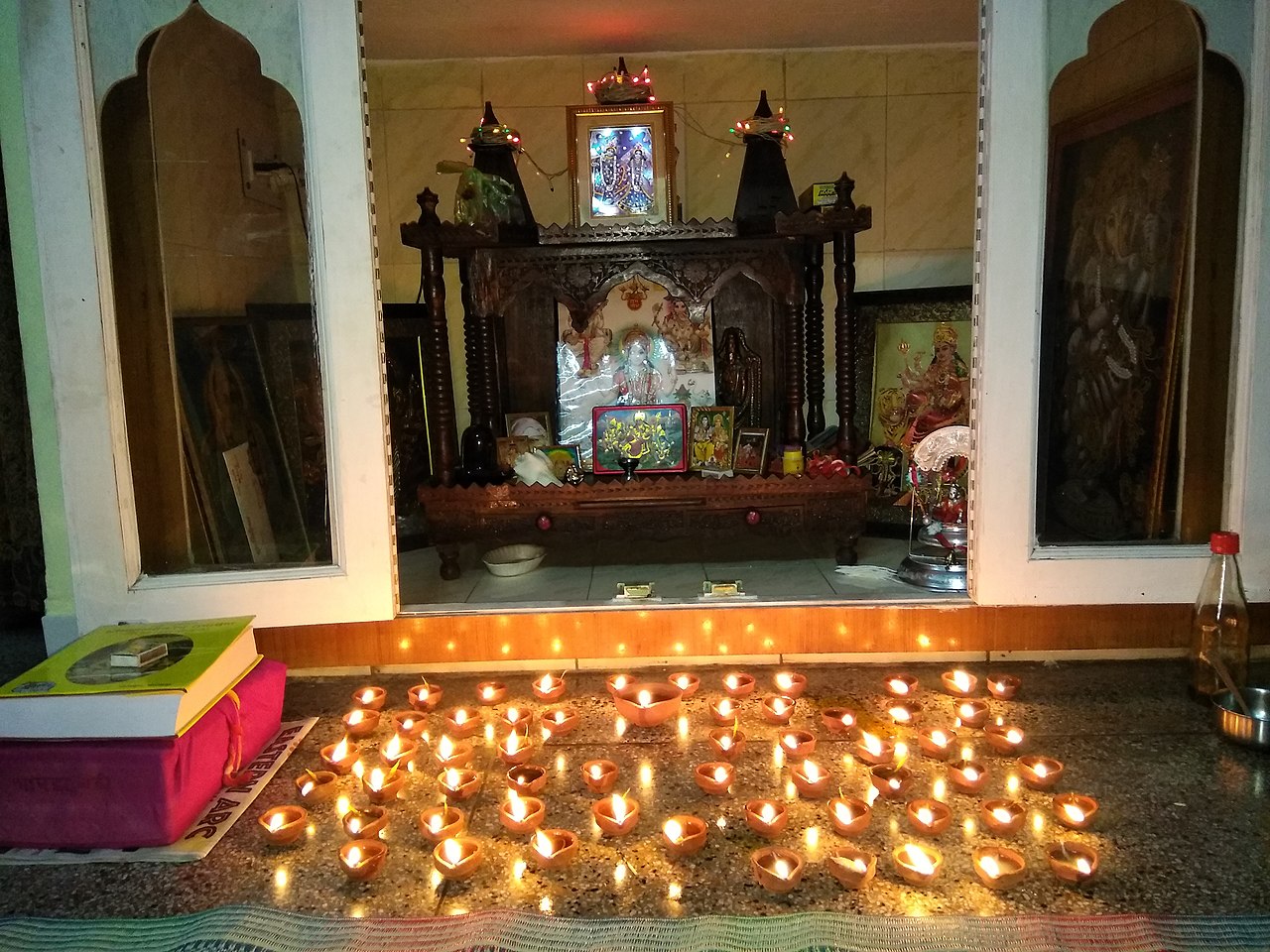
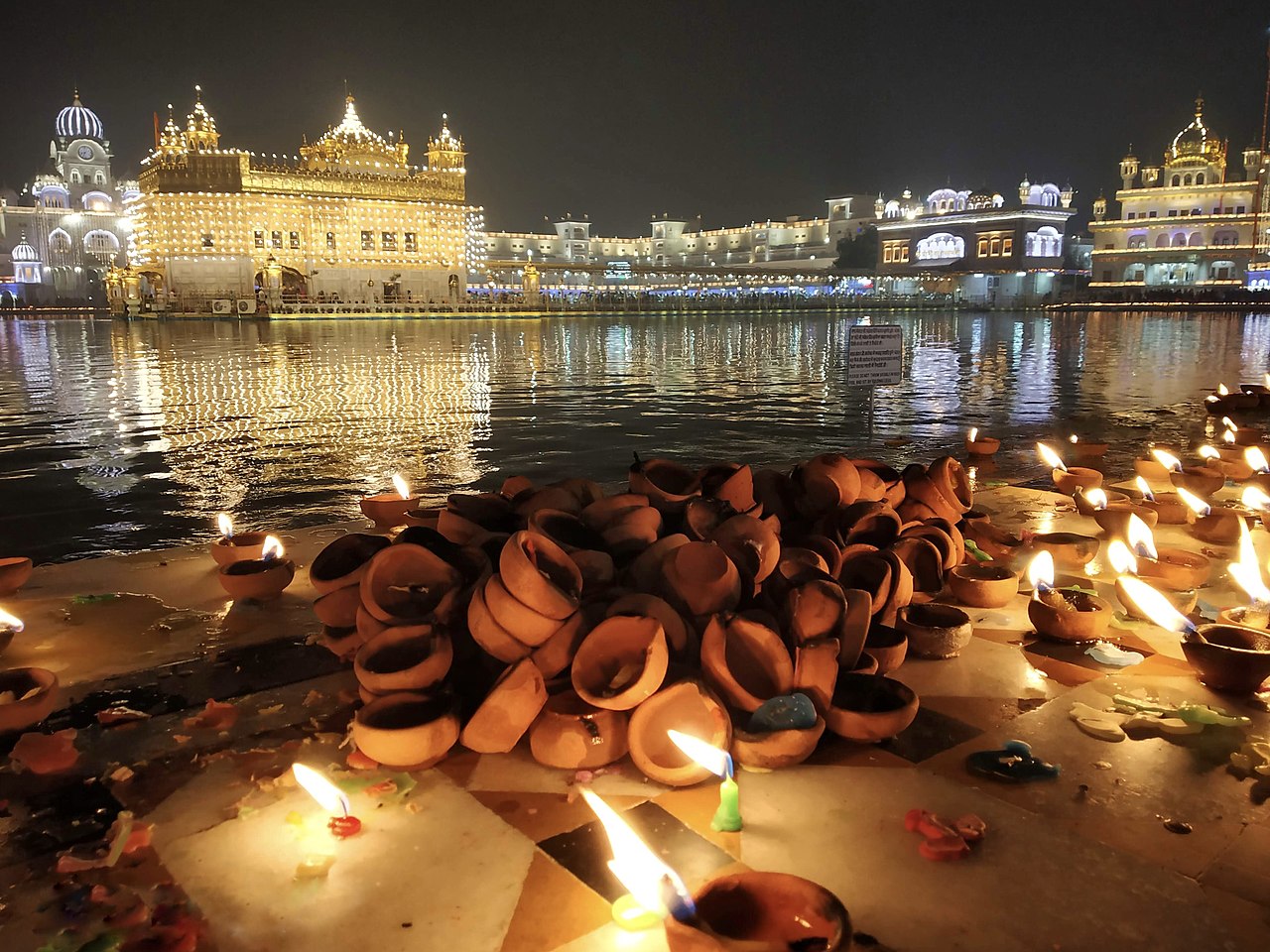
Diwali, also called Deepavali, is one of the principal festivals observed by Hindus and many communities influenced by Hindu culture. Its name literally means "row of lamps," reflecting the central custom of lighting small oil lamps (diyas) and other lights to celebrate spiritual renewal, the triumph of good over evil, and the arrival of prosperity. Diwali usually falls between October and November in the lunisolar calendar month of Kartika and is widely recognized as a time for family gatherings, feasting, and ritual worship.
Image gallery
10 Images



Key elements and practices
The festival is marked by a set of widely practiced rituals that emphasize purification, light, and generosity. In the days leading up to Diwali households are cleaned, decluttered, and redecorated; people often buy new clothes and gifts. Decorative floor patterns called rangoli are prepared at doorways, and doors and windows are embellished with flowers and lamps. On the main night, devotees light diyas, candles, and electric lights to illuminate homes and streets. Many families perform puja (worship) to Goddess Lakshmi, the deity associated with wealth and well-being, and to Lord Ganesha, the remover of obstacles, asking for prosperity and auspicious beginnings.
Mythological and historical associations
Diwali brings together several strands of religious memory and regional legend. A common northern-Indian narrative links the festival to the return of Lord Rama to Ayodhya after a 14-year exile and his victory over the demon king Ravana; the city was said to have been lit with lamps to welcome him home. In other regions, Diwali commemorates different events: some communities honor the goddess Kali, others mark the day as the start of a new financial year for merchants, and still others associate it with harvest-time thanks. These multiple origins reflect the festival's deep local variations and long history across the subcontinent.
Regional variation and the five-day cycle
In many parts of India and across the Indian diaspora, Diwali is observed as a sequence of days with distinct names and purposes. Depending on region and tradition, the festival may span three to five days, with particular days devoted to cleaning, exchanging gifts, sister-brother relationships (such as Bhai Dooj), and lighting the lamps on the darkest night (Amavasya). Customs differ in rituals and deities emphasized, as well as in foods and social customs, yet the core themes of light, renewal, and family remain consistent.
Contemporary observance and diaspora
Diwali today is a public holiday in several countries and a widely celebrated cultural event in many others where communities of South Asian origin have settled. Urban and rural observances vary: some centers produce elaborate public displays and communal worship, while many households continue quieter, private rituals. The festival has also been adapted into public calendars, school observances, and civic events in places outside South Asia, creating opportunities for intercultural exchange. At the same time, rising awareness of environmental and safety concerns has prompted shifts in how some people mark Diwali, with reduced fireworks and increased emphasis on eco-friendly lighting and charitable giving.
Significance, symbolism, and notable points
Diwali's symbolism encompasses light overcoming darkness, knowledge dispelling ignorance, and community bonds strengthened through sharing. It functions both as a religious observance and as a cultural season for commerce, gift-giving, and new beginnings. Important practical features include cleaning and decorating homes to welcome prosperity, preparing special foods and sweets, and exchanging gifts. While many images and narratives are associated with the festival, the lived experience is diverse and adaptable, shaped by local customs, family traditions, and contemporary concerns about health, safety, and the environment.
Further reading and regional links
- India — national context and observance
- Major Hindu festivals and calendar
- Home rituals and domestic preparations
- Market traditions and commerical decorations
- Lord Ganesha — worship and significance
- Goddess Lakshmi — myths and rituals
- Kartik month and lunar timing
- Rama and the Ramayana connection
- Exile narratives in Hindu tradition
- Ravana and epic symbolism
- Diwali in Nepal
- Observances in Sri Lanka
- Celebration in Singapore
- Diwali in Malaysia
- Mauritius and Indian cultural festivals
- Fijian Hindu communities
- Suriname — Indian diaspora traditions
- Guyana — festival customs
- Trinidad and Tobago — public celebrations
- School holidays and diaspora observances in the United States
- High-level civic recognition and White House events
- State and ceremonial observances
- Traditional cleaning and whitewashing practices
Questions and answers
Q: What does the word 'Deepawali' mean?
A: Deepawali means rows of lighted lamps.
Q: When is Diwali celebrated?
A: Diwali is celebrated in the Hindu month of Kartikamasam which falls sometime during October or November.
Q: What are people doing to celebrate Diwali?
A: People light up their houses and shops with Diyas (small cup-shaped oil lamp made of baked clay), worship the Lord Ganesha for welfare and prosperity, and Goddess Lakshmi for wealth and wisdom, clean and decorate their house before the festival, do colorful rangoli art works on floors, put on their best clothes, exchange greetings, gifts and sweets with friends and family, illuminate buildings with earthen lamps, candle-sticks and electric bulbs, buy sweets for own families as well as send them as presents to others.
Q: Who is worshipped during Diwali?
A: During Diwali people worship Lord Ganesha for welfare and prosperity and Goddess Lakshmi for wealth and wisdom.
Q: How long does the celebration last?
A: In many parts of India Deepawali is celebrated for five consecutive days.
Q: Is it a public holiday in other countries besides India?
A: Yes it is a public holiday in countries such as Nepal, Sri Lanka, Singapore, Malaysia, Mauritius, Fiji Suriname Guyana Trinidad And Tobago. It is also a school holiday in many states of the United States with a large Hindu population.
Q: What do Hindus believe about this day? A: Hindus believe that on this day Lakshmi only enters houses which are neat and tidy so they offer prayers for their own health wealth & prosperity & leave lights on believing that Lakshmi will not have difficulty in finding her way in.
Related articles
Author
AlegsaOnline.com Diwali (Deepavali): the Hindu Festival of Lights — meanings, customs, and modern observance Leandro Alegsa
URL: https://en.alegsaonline.com/art/28002