
Easter egg (decorative and edible traditions)
A cultural and religious tradition in which eggs are decorated, exchanged or consumed at Easter; includes painted eggs, chocolate eggs, and modern plastic varieties used in games and gifts.
Overview
An Easter egg is a real or artificial egg that is decorated, eaten or used in games and rituals during the Easter season. Historically associated with fertility and renewal, the egg appears across many cultures as a portable symbol of life and transformation. In contemporary practice eggs may be natural bird eggs, confectionery, hand-crafted objects or hollow containers used to hold small gifts.
Image gallery
10 Images




Forms and materials
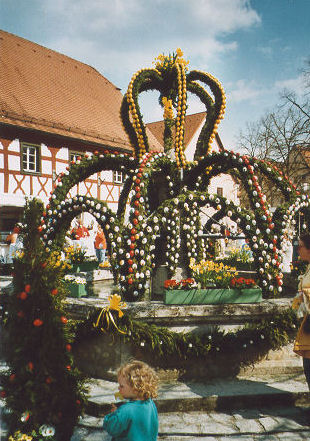
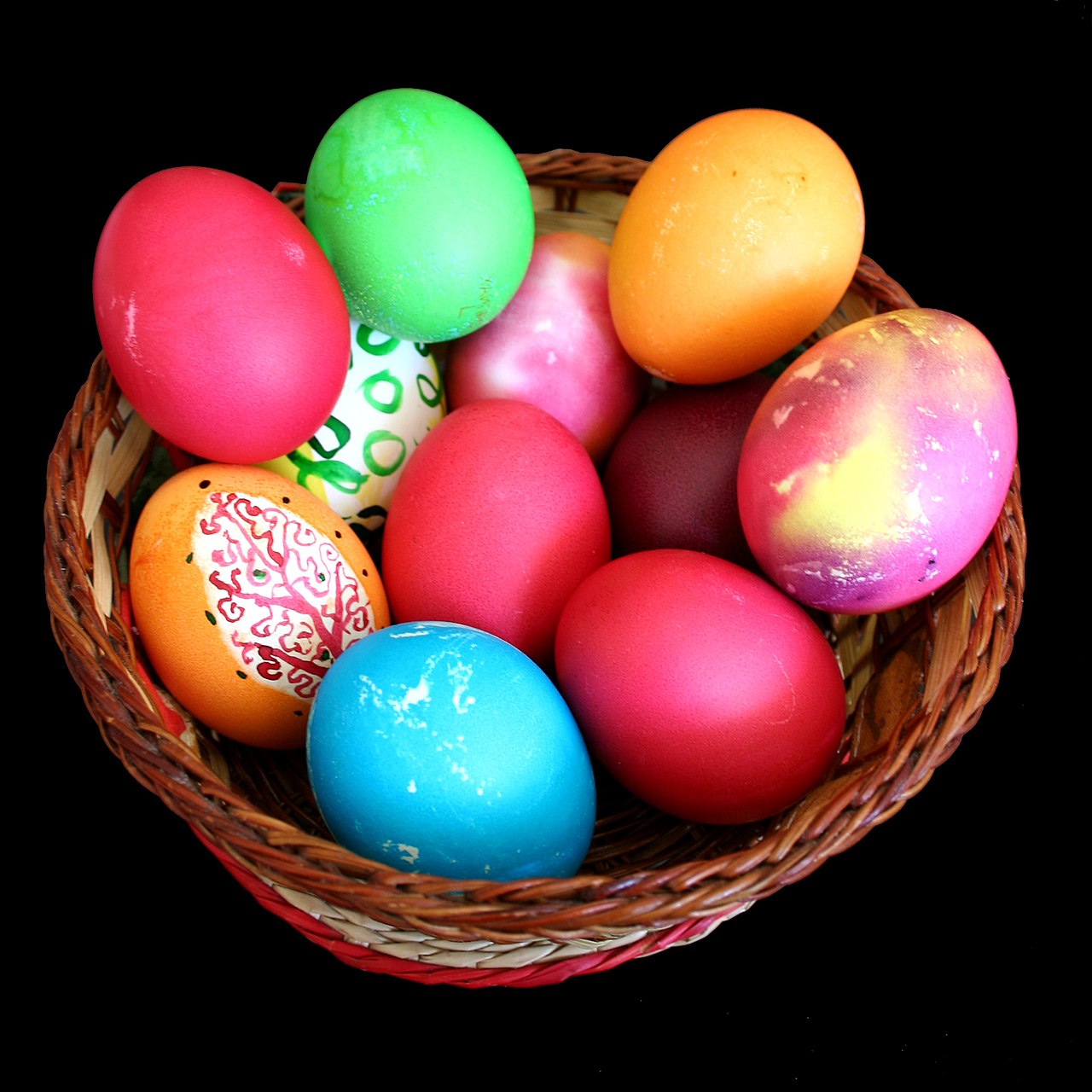
Common forms include painted natural eggs and manufactured sweets. Traditional varieties use a dyed or painted chicken egg as a base. Commercial versions are often chocolate eggs wrapped in foil, while inexpensive toys and party sets use plastic eggs filled with confectionery or small trinkets. Artisans also make carved wooden eggs, blown glass, or lacquered examples intended for display rather than consumption.
Origins and symbolic meanings
Eggs have been symbols of life, the earth and renewal since antiquity and were commonly used to mark the arrival of spring. Many pre-Christian springtime customs incorporated decorated eggs, and the practice was adapted by Christians, who used eggs as a symbol of the resurrection of Jesus. Over time religious, folk and secular meanings have become interwoven: an egg can signify new life, seasonal change, or simply a festive treat.
Customs and activities
Activities associated with Easter eggs vary by region. Typical customs include:
- Decorating and painting hard-boiled or blown eggs by hand.
- Egg hunts, in which children search for hidden eggs or containers.
- Egg rolling or egg tapping contests that test durability or skill.
- Gift-giving, where eggs—often chocolate—are presented to family and friends.
Specific cultural styles exist, such as the intricate wax-resist decorated eggs of Eastern Europe, which are both artistic and symbolic. Many churches and communities maintain liturgical or communal egg-related observances.
Modern significance and distinctions
Today the term covers a wide range of objects from simple painted bird eggs to elaborate luxury pieces. The market for edible and collectible eggs has grown, and some people prefer reusable or artisan creations for environmental or aesthetic reasons. Others emphasize the religious symbolism or the role of eggs in family traditions.
Further notes
Whether used in worship, folk custom, children's play or commercial promotion, the Easter egg remains a versatile cultural token. For brief guides and visual examples see introductory resources and collections that illustrate regional techniques and the evolution from natural eggs to modern manufactured forms. For more background on specific practices and history consult specialized sources linked here: symbol background, traditional chicken eggs, and general overviews at reference sites egg and faith-related entries.
Questions and answers
Q: What is an Easter egg?
A: An Easter egg is an egg that is both eaten and used for decoration during the Easter holidays.
Q: What does the symbol of the egg represent during Easter?
A: The symbol of the egg represents the earth to celebrate spring.
Q: What is the oldest tradition for Easter eggs?
A: The oldest tradition for Easter eggs is to use painted chicken eggs.
Q: What are some modern alternatives to painted chicken eggs for Easter?
A: Some modern alternatives to painted chicken eggs for Easter are chocolate eggs wrapped in coloured foil, hand-carved wooden eggs, and plastic eggs filled with confectionery such as chocolate.
Q: How were Easter eggs used by early Christians?
A: Easter eggs were used by early Christians as a sign of the resurrection (rising from the dead) of Jesus.
Q: Can Easter eggs be used for decoration only?
A: Yes, Easter eggs can be used for decoration only.
Q: Is it common to eat Easter eggs?
A: Yes, it is common to eat Easter eggs as they are both a decoration and a treat.
Related articles
Author
AlegsaOnline.com Easter egg (decorative and edible traditions) Leandro Alegsa
URL: https://en.alegsaonline.com/art/29727
Sources
- commons.wikimedia.org : Easter eggs
- warwickshire.gov.uk : Warwickshire County Council: The history of the Easter egg
- britannica.com : "Easter egg (social custom) -- Britannica Online Encyclopedia"
- eggsateaster.co.uk : "Eggs At Easter :: Easter Facts"
- books.google.com : "An April Birthday Party"
- theholidayspot.com : "The easter egg, its history and origin"