
Tihar: The Five‑Day Festival of Lights in Nepal and Neighboring Regions
Tihar is a five‑day Hindu festival of lights celebrated mainly in Nepal and parts of India. It honors deities, animals and family bonds with lamps, rangoli, offerings and the Bhai Tika ceremony.
Overview
Tihar, often called the festival of lights, is a major Hindu celebration observed primarily in Nepal and in several border regions of India such as Assam, Sikkim and the Darjeeling area of West Bengal. Set by the lunisolar Vikram Samvat calendar, Tihar lasts five days and normally falls in the autumn months. It is the second largest festival in Nepal after Dashain and combines religious devotion, household renewal and social rituals.
Image gallery
8 Images




Key customs and observances
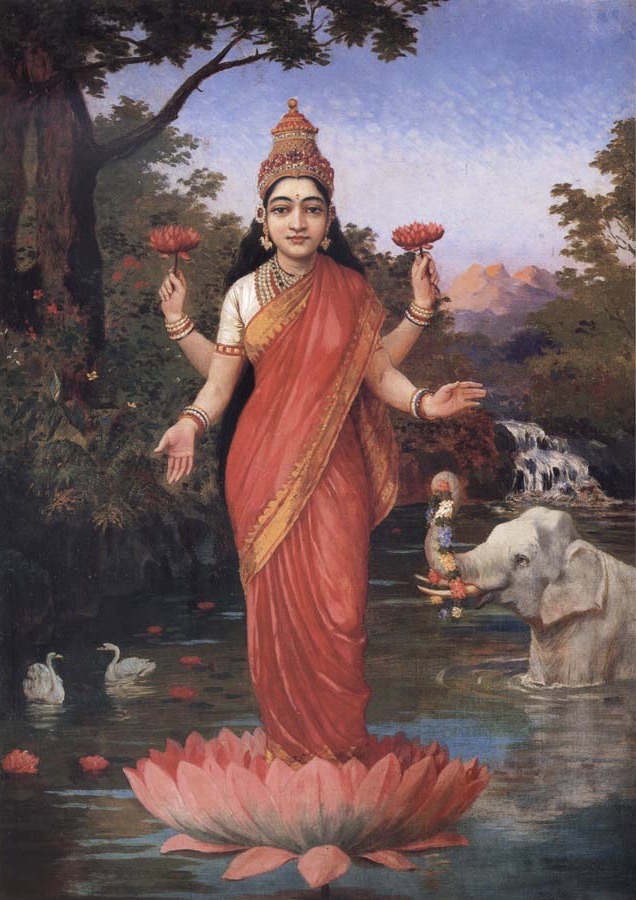
Homes and public spaces are illuminated with oil lamps (diyas), candles and electric lights; entrances are decorated with patterned floor designs known as rangoli, made from colored rice, dry flour, colored sand or flower petals. Offerings, songs and short ritual acts are presented to welcome prosperity and to honor both gods and familiar animals. The goddess Lakshmi is especially venerated during the festival as a bringer of wealth and good fortune.
Typical five‑day sequence
Although customs and order can vary by community, a broadly observed pattern includes these focal days. Traditionally Tihar begins with Kaag Tihar and culminates with Bhai Tika:
- Kaag Tihar — crows are offered food and respected as messengers.
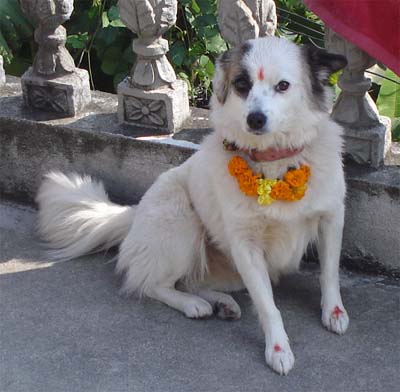
- Kukur Tihar — dogs are garlanded, fed and blessed in recognition of their loyalty and role in human life.
- Gai/Go Tihar and Laxmi Puja — cows and oxen may be honored; the night is often reserved for Laxmi Puja when houses are brightly lit and invited for prosperity.
- Variations and local rites — some communities perform household or self‑purification rituals, market fairs and cultural performances. The Newar community, for example, includes Mha Puja (a ritual of the self) within their Swanti observance.
- Bhai Tika — the concluding day celebrates the bond between brothers and sisters with tika, garlands and prayers for long life and wellbeing.
Regional variations and cultural context
Different ethnic groups and regions adapt Tihar to local beliefs and calendars. Newars call the festival Swanti and place particular emphasis on Mha Puja and household rites; Madhesi communities may refer to it as Diwali. Rural and urban practices diverge: rural celebrations often focus more on animal veneration and agrarian markers, while urban observances emphasize lighting, social visits and public performances.
Significance and contemporary practice
Tihar blends devotional worship, social exchange and community spectacle. It reinforces familial ties through Bhai Tika, expresses gratitude toward working animals, seeks divine favor for prosperity, and marks a time for cleaning, decorating and renewing household spirits. In modern contexts, electric lights and community events sit alongside traditional oil lamps and indigenous rituals, and the festival remains an important seasonal and cultural anchor for Nepali society and Nepali‑speaking communities abroad.
Notable facts
- Tihar is celebrated with a recognizable sequence of animal veneration uncommon in many other South Asian festivals.
- Names and emphases differ: Swanti (Newar), Diwali (Madhesi) and regional terms reflect layered cultural identities.
- Practices such as rangoli, lighting lamps and Laxmi Puja link Tihar to wider South Asian traditions of autumnal light festivals.
For further reading on the festival's regional customs and calendar placement, consult materials related to Nepal, community descriptions for Newars, and historical notes on the Vikram Samvat system. Local guides and cultural organizations in Assam, Sikkim, Darjeeling and West Bengal can illustrate contemporary celebrations and variations.
Questions and answers
Q: What is Tihar?
A: Tihar is a Hindu festival that is celebrated for 5 days, mainly in Nepal and the Indian states of Assam and Sikkim. It is also celebrated in the Darjeeling district of West Bengal.
Q: What is the significance of Tihar?
A: Tihar is known as the festival of lights, and diyas are lit inside and outside the houses to make it bright at night. People also make Rangolis on the floor of living rooms or courtyards to welcome Gods and Goddesses of Hinduism, mainly Goddess Lakshmi.
Q: When does Tihar begin and end?
A: Tihar begins with Kaag Tihar in Trayodashi of Kartik Krishna Paksha and ends with Bhai Tika in Dwitiya of Kartik Sukla Paksha every year.
Q: What is the Vikram Samvat calendar?
A: The Vikram Samvat calendar is a Hindu calendar that is used to determine the dates of festivals and auspicious occasions.
Q: Which animals are worshiped during Tihar?
A: Animals like crows, dogs, cows, and oxen are also worshiped during Tihar.
Q: What are Rangolis made of?
A: Rangolis are made of materials such as colored rice, dry flour, colored sand or flower petals.
Q: What is the significance of Rangolis in Tihar?
A: Rangolis are made to welcome Gods and Goddesses of Hinduism, mainly Goddess Lakshmi, during Tihar.
Related articles
Author
AlegsaOnline.com Tihar: The Five‑Day Festival of Lights in Nepal and Neighboring Regions Leandro Alegsa
URL: https://en.alegsaonline.com/art/99849
Sources
- lumbinimedia.com : "Tihar, Dates in Nepal, Kaag Tihar, Kukur Tihar, Gai Tihar, Laxmi Puja, Govardhan Puja, Bhai Tika"
- thehimalayantimes.com : "Tihar begins; Kaag Tihar today"
- thehimalayantimes.com : "Kaag Tihar being observed today"
- thehimalayantimes.com : "Kukur Tihar being observed across the nation"
- sacred-texts.com : "Yama, the First Man, and King of the Dead"
- indianexpress.com : "Did you know there is a dog puja festival in Nepal on Choti Diwali day?"
- weallnepali.com : "Deepawali"
- nepaliclass.com : "Tihar, What are the 5 days of Tihar?"
- libertyholidays.com : "Celebrate the Festival of Lights – Tihar"
- nepalhomepage.com : "History of Deusey and Bhailo on Laxmi"
- bossnepal.com : "The great poet Laxmi Prasad Devkota"
- nepaliaustralian.com : "Goru Puja , Govardhan Puja , Mha Puja and Nepal Sambat"
- ashesh.com.np : "Govardhan Puja – Mha Puja – Nepal Sambat"
- thehimalayantimes.com : "Decoding Bhai Tika symbols"
- annapurnapost.com : "रमाइलो यमपञ्चक"