
Easter Monday
Easter Monday is the weekday after Easter Sunday, observed as part of the Easter octave and celebrated with Christian liturgy, national holidays and regional customs such as picnics, egg-rolling and water festivities.
Overview
Easter Monday is the day after Easter Sunday. In Christian practice it is the second day of the Octave of Easter, the eight-day span that begins on Easter and continues the celebration of the Resurrection. The day combines liturgical observance with a wide range of cultural and civic customs. In many countries it has legal status as a public holiday, while in others it is observed mainly through religious services or informal community traditions.
Image gallery
10 Images



Liturgical significance
Within Western Christianity, especially the Roman Catholic Church, the Monday after Easter is sometimes called the "Monday of the Angel," recalling the angelic announcement of the Resurrection of Jesus reported in the New Testament. In Eastern Christian traditions, the equivalent day is often called Bright Monday and continues the joyful tone established by Easter Day; liturgies remain celebratory and certain feast hymns and prayers may be repeated.
Names and local terms
The day is known by different names across languages and cultures. In Italian it is commonly called "Pasquetta" and often associated with outdoor meals and excursions. In French it is "Lundi de Pâques," in German "Ostermontag," and in many Slavic languages the day has local names connected to specific customs. These names reflect how the same liturgical day has acquired varied local meanings.
Regional observances and customs
Customs on Easter Monday range from quiet religious observance to lively popular festivities. Examples include:
- Poland and Polish communities mark Śmigus-Dyngus (Wet Monday), a playful tradition of splashing water and visiting relatives.
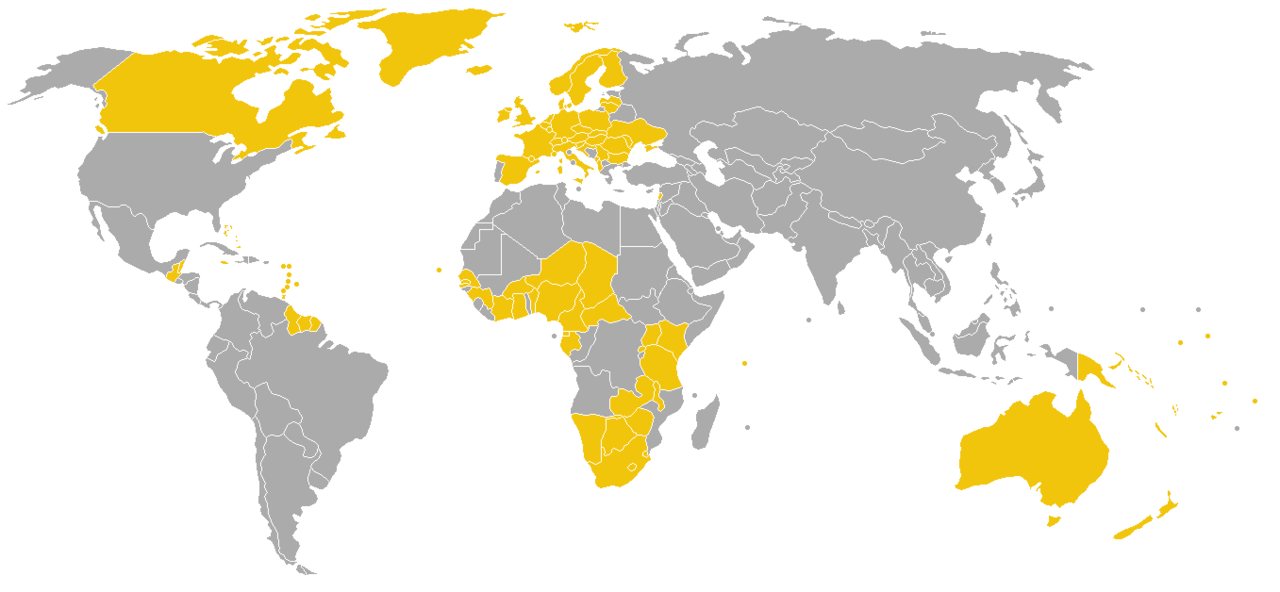
- In the United Kingdom, Ireland and several Commonwealth countries the day is a bank holiday and a focus for community events, sporting fixtures and short family outings.
- In the United States the White House Easter Egg Roll has traditionally been held on the Monday after Easter, a public event for children and families.
- In Italy, Pasquetta is commonly spent on picnics or excursions into the countryside.
- Central European countries such as Germany and Austria combine church services with local parades or quiet family gatherings.
Calendar and civil status
The date of Easter Monday changes each year because it follows the date of Easter Sunday, which is determined by ecclesiastical rules tied to the vernal equinox and the lunar cycle. Consequently, the corresponding Monday falls on different calendar dates from year to year; for instance, in 2022 it fell on April 18. Whether Easter Monday is a public holiday depends on national law and local custom: some countries observe it nationwide, others regionally, and in some places it has no civil-holiday status but continues to be observed in religious communities.
Social and cultural role
Beyond church liturgies, Easter Monday often serves a social purpose: it provides an opportunity for family gatherings, seasonal outings, community events and the continuation of festival meals. The mixture of sacred commemoration and secular relaxation illustrates how Easter's religious meaning and folk customs have become intertwined in many societies.
For further reading on the liturgy, historical development and national practices connected with Easter Monday consult ecclesiastical sources and cultural guides that address post-Easter observance and regional traditions.
Related articles
Author
AlegsaOnline.com Easter Monday Leandro Alegsa
URL: https://en.alegsaonline.com/art/29730