
Dean (church and academic official)
An overview of the office of dean: its origins, different forms in churches and colleges, typical duties, appointment and authority, and how the role differs across institutions and traditions.
A dean is a senior official found most commonly in religious and educational institutions. Historically the title described a leader among clergy or among the officers of a collegiate body; today it covers several related but distinct offices in cathedrals, colleges, universities and other organizations. For a concise definition see church or college official.
Image gallery
4 Images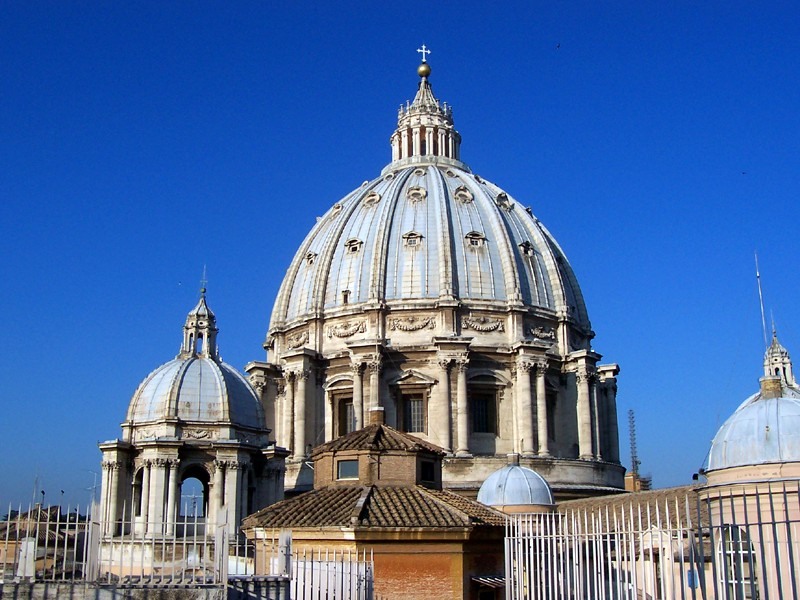



Origin and early development
The word "dean" has medieval roots and derives from Latin terms used for leaders of small groups. In the Middle Ages many colleges, schools and ecclesiastical bodies were closely tied to the clergy, and priests often administered both religious and educational life. Ancient colleges were commonly run by ordained members, a circumstance summarized in historical accounts that note the clerical management of early academic houses run by priests. In some national contexts, notably in earlier English practice, membership and study could be restricted by church affiliation; references to such arrangements can be found in treatments of English institutions in England and their relationship to the Church of England and local congregations.
Principal types of dean
Although the title is shared, two broad categories are most common today: the cathedral (or ecclesiastical) dean and the academic dean. A cathedral dean is the senior member of a cathedral chapter and usually has responsibility for worship, pastoral oversight and the administration of the cathedral precinct; the chapter itself is the governing body often meeting in a chapter or chapter house, and in some cases the dean also serves the local parish as a parish priest. The academic dean is an administrative leader within a college or university responsible for academic affairs, student discipline, curriculum, or a particular faculty; more on this role appears under the educational usage Dean (education).
Typical responsibilities
- Governance and leadership: chairing senior bodies, setting strategic direction and representing the institution.
- Administration and finance: oversight of budgets, staff and facilities.
- Academic duties (in universities): curriculum development, faculty appointments, quality assurance and research support.
- Pastoral and liturgical duties (in cathedrals): organizing worship, pastoral care and stewardship of sacred spaces.
- Student welfare and discipline: in residential colleges or as dean of students, handling conduct, wellbeing and campus life.
Appointment, authority and distinctions
How a dean is chosen varies by tradition: cathedral deans may be appointed by a bishop, elected by a chapter, or named by a higher ecclesiastical authority; academic deans are typically appointed by university leadership or governing bodies. The scope of a dean's authority likewise differs: some deans are the chief executive of a college, while others are mid-level officers reporting to a president, provost or rector. In many institutions the dean works alongside department chairs and other officers and is distinct from titles such as provost, principal or president, which usually denote broader institutional responsibility.
Today the office of dean blends ceremonial, managerial and pastoral responsibilities. Its specific functions depend on historical traditions and local governance, but in every setting the dean serves as a point of leadership and continuity for the community they oversee.
Related articles
Author
AlegsaOnline.com Dean (church and academic official) Leandro Alegsa
URL: https://en.alegsaonline.com/art/25991