
Dervish: Sufi ascetics, practices, and historical orders
Dervishes are Muslim Sufi ascetics who practise poverty, ritual remembrance, and spiritual disciplines within tariqas. This article outlines their traits, history, main practices and social roles.
Overview
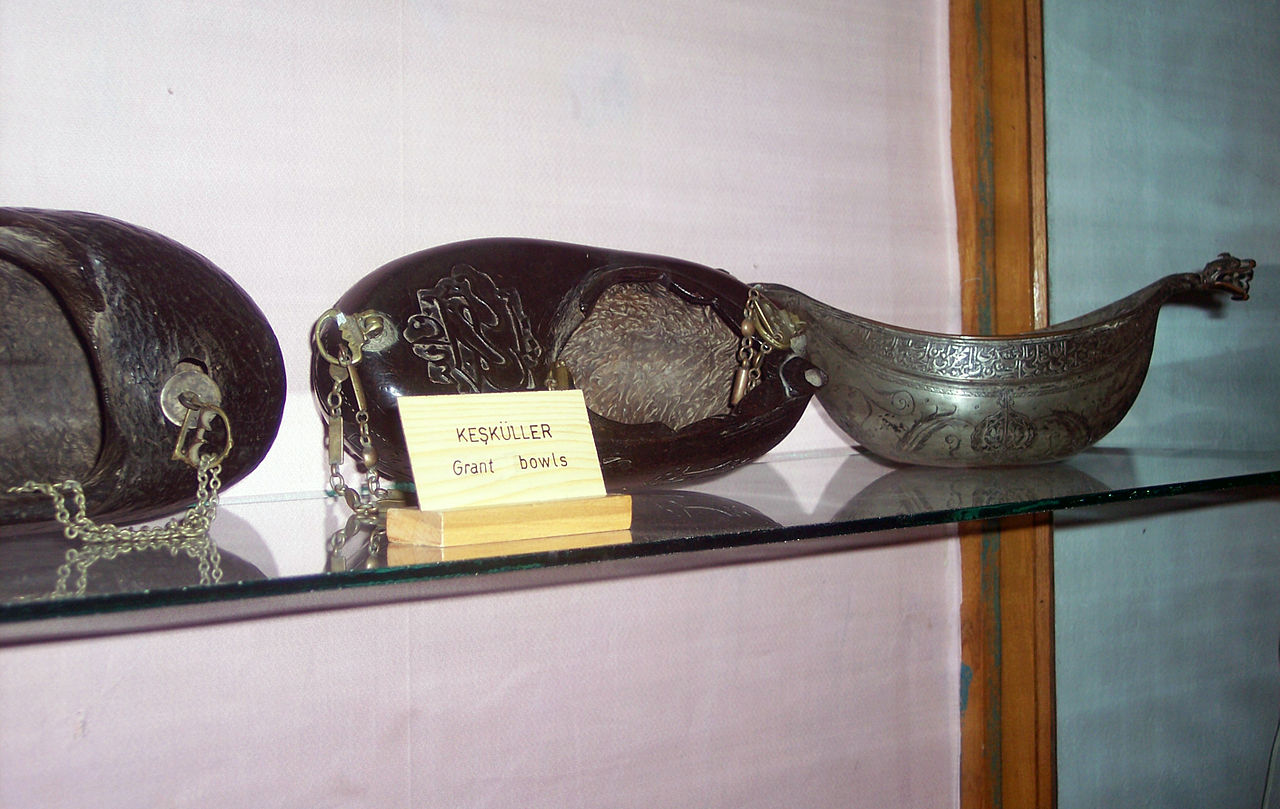
A dervish (Persian: Darvīsh) is a member of a Sufi Muslim path who embraces an ascetic life and concentrated spiritual practice. The term is closely associated with Islam and the Sufi concept of a tariqa (spiritual order). Dervishes traditionally emphasize poverty, simplicity and devotion as means to draw closer to God; in many languages the word has come to signify a religious mendicant or itinerant holy person.
Image gallery
10 Images






Characteristics and practices
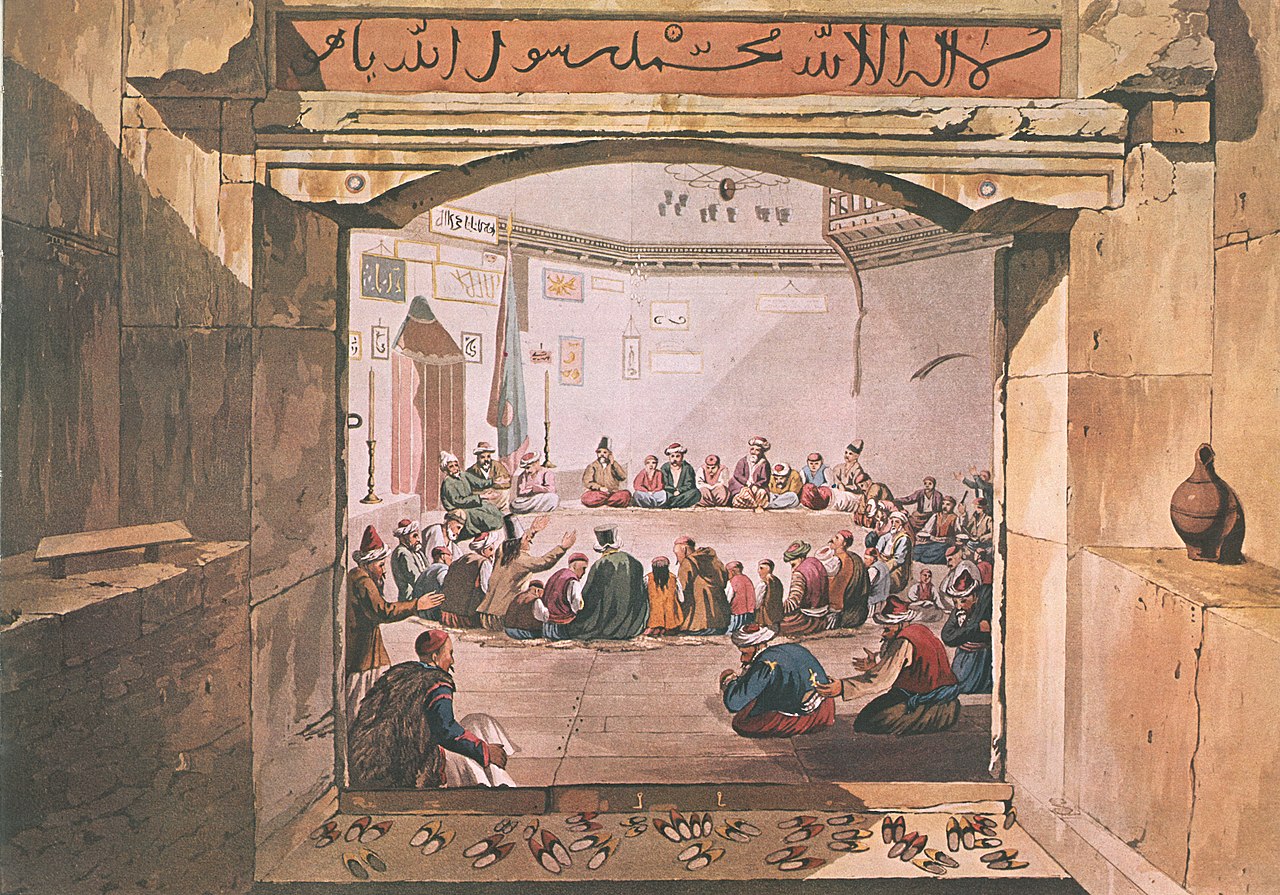
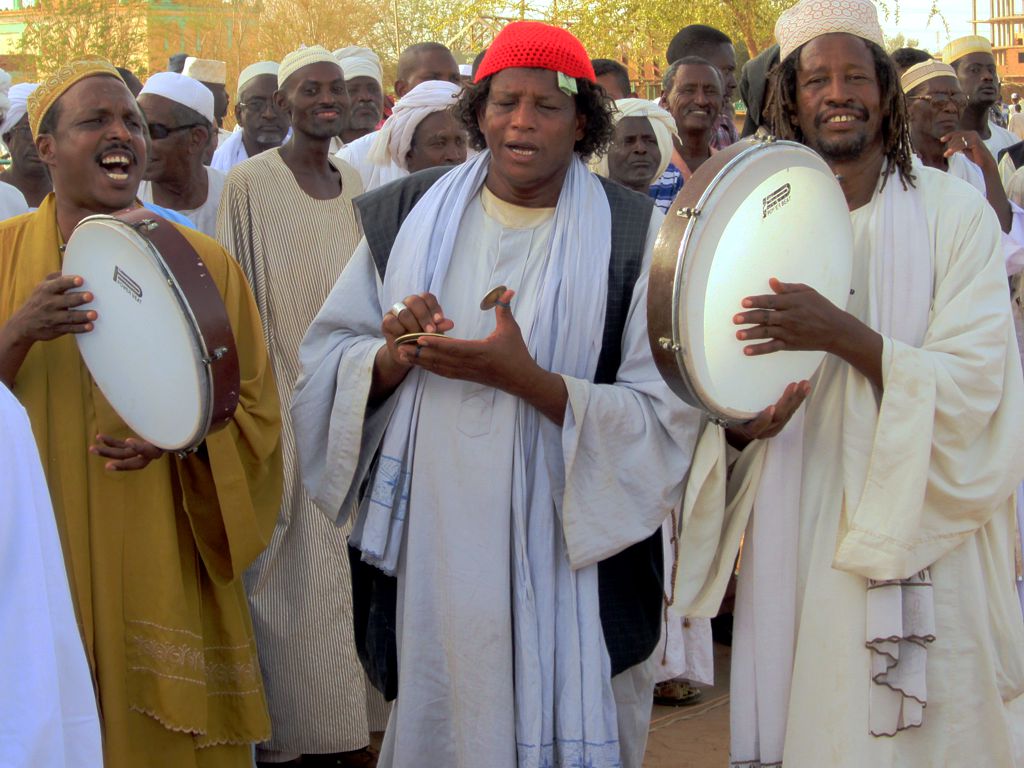
Dervishes are best known for a combination of ethical commitments and ritual techniques. Common features include deliberate poverty and detachment from worldly goods, disciplined remembrance of God (dhikr), and membership in a communal tariqa that provides spiritual guidance. Their practices often include chanting, breathing exercises, devotional music, and in some orders ceremonial movements.
- Asceticism and voluntary poverty — in sources dervishes are described as poor or mendicant; see also poverty.
- Dhikr — verbal or silent repetition of divine names and phrases to cultivate spiritual awareness.
- Sama — devotional performance combining music, poetry and movement; the Mevlevi whirling is a well-known example.
- Adherence to a spiritual master (shaykh) and communal discipline within an order.
Because of their ascetic, itinerant or mendicant aspects, dervishes are often compared to other religious mendicants, for example mendicant friars in Christianity and wandering holy people in South Asia such as sadhus associated with Hindu, Jain and Buddhist traditions.
History and orders
The phenomenon of dervishes developed as part of the broader history of Sufism, which organized into many local and transregional orders (tariqas) from the medieval period onward. Among the best-known are the Mevlevi order, linked to the poet-mystic Jalal ad-Din Rumi and famous for its whirling ceremony, and other major orders such as Qadiriyya, Naqshbandiyya and Chishtiya, each with distinct emphases in practice and social engagement. Orders served as networks for teaching, charity, and pilgrimage, and they adapted differently to changing political and social settings.
Social role and modern presence
Dervishes historically provided social services, spiritual instruction, and communal ritual life. In some regions they ran hospices, taught Quranic and mystical texts, and acted as mediators between communities and rulers. In the modern era their visibility varies: in parts of the Muslim world Sufi orders remain influential, while in others their practices have been restricted or transformed. Ceremonial aspects—especially the Mevlevi whirling—have also become cultural symbols appreciated outside strictly religious circles.
Distinctions and misconceptions
Not every Sufi is a dervish and not every dervish practice looks the same: some orders stress silent inward practice, others public ritual; some are itinerant, others based in lodges or zawiyas. Popular portrayals often exoticize dervishes or reduce them to stereotypes of ecstatic dancing; a more accurate view recognizes a spectrum of disciplined spiritual activity rooted in Islamic devotional frameworks.
Further reading: introductory resources and scholarly overviews explain how individual tariqas operate and how dervish practices changed across regions; for introductory definitions consult general works on Sufism and specialized studies of orders such as the Mevlevi. For contextual comparisons see materials on mendicant movements in other traditions.
Persian term | Islam | Poverty | Mendicant friars | Christianity | Hindu | Jain | Sadhus
Questions and answers
Q: What is a dervish in Islam?
A: A dervish in Islam is a type of Sufi who lives a Muslim ascetic way or "Tariqah".
Q: What does the word "Darvesh" mean?
A: The word "Darvesh" is a variation of the word "Dervish" and is derived from the Persian language meaning "poor".
Q: How does the lifestyle of a dervish differ from others?
A: The lifestyle of a dervish is very simple as they are poor and live an ascetic lifestyle.
Q: Can we equate a dervish with a mendicant friar?
A: Yes, a dervish in Islam can be compared to mendicant friars in Christianity as they both live a life of poverty.
Q: Is "Tariqah" an essential part of a dervish's life?
A: Yes, "Tariqah" is an essential part of a dervish's life as it is a way of living an Islamic asceticism.
Q: Which other religions have mendicant orders like Christianity?
A: Hinduism, Buddhism, and Jainism also have mendicant orders like Christianity.
Q: How is the lifestyle of a dervish similar to that of a Hindu/Buddhist/Jain sadhu?
A: The lifestyle of a dervish is similar to that of a Hindu/Buddhist/Jain sadhu in the sense that both live a life of simplicity and austerity.
Related articles
Author
AlegsaOnline.com Dervish: Sufi ascetics, practices, and historical orders Leandro Alegsa
URL: https://en.alegsaonline.com/art/26801
Sources
- answering-islam.org : "Darvesh - Dictionary of Islam"
- m-w.com : "Dervish - definition and more from the FreeMerriam - Webster Dictionary"
- etymonline.com : "Online Etymology Dictionary"
- veryethnic.wordpress.com : "13 things the whirling dervishes can teach you about spinning until you're dizzy enough to puke"
- britannica.com : Rumi