
Demonic possession: concept, history, and cultural perspectives
Demonic possession refers to beliefs that an external spirit or demon controls a person’s body or behavior; views vary across cultures and modern medicine offers alternative explanations and treatments.
Overview
Demonic possession describes the idea that a nonhuman spirit, often called a demon or devil, takes control of an individual's thoughts, emotions, or bodily actions. This concept has appeared in many religious and folk traditions worldwide as an explanation for sudden changes in behavior, violent outbursts, altered consciousness, or episodes that communities could not otherwise explain.
Image gallery
3 Images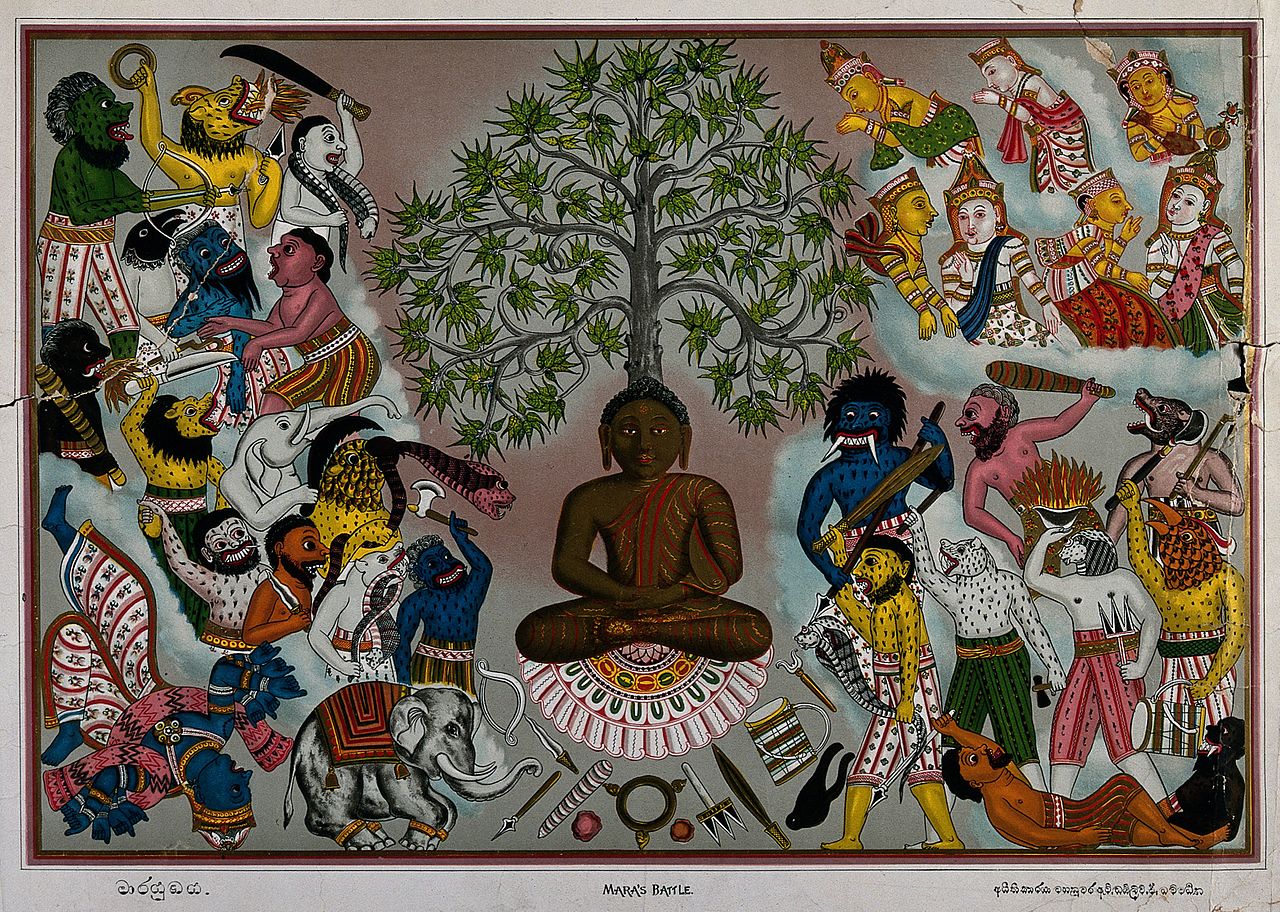


Common characteristics and signs
Descriptions of possession differ by culture, but accounts frequently include dramatic shifts in voice or language, resistance to religious objects or rites, unusual strength, intense fear or revulsion, and episodes resembling fainting or convulsions. Historically, behaviors now recognized as seizure activity or psychiatric symptoms were often attributed to spiritual interference. Modern observers caution that similar outward signs can have neurological or psychological causes and should be assessed medically.
Historical development and cultural variation
Belief in possession dates back to ancient civilizations and is documented in sacred texts, legal codes, and folk narratives. In many traditions clergy, healers, or ritual specialists performed ceremonies to remove the offending spirit. Rituals and terminology vary: some communities speak of being oppressed or obsessed by spirits rather than fully possessed, while others distinguish between temporary influence and complete loss of agency.
Responses and rituals
- Religious rites of expulsion or exorcism, administered by trained clergy in some faiths.
- Ritual healing by shamans, healers, or community elders in other cultural contexts.
- Medical and psychiatric evaluation, which can diagnose conditions such as epilepsy, dissociative disorders, or psychosis that may underlie the symptoms.
Examples of ritual response include formalized liturgies in some institutional religions and diverse local practices elsewhere. For discussion of the term demon and related concepts, see sources used within religious studies. Episodes that were once labeled as possession sometimes correlate with what earlier observers called a fit, a historical term that captured convulsive or fainting episodes.
Distinctions and modern perspectives
Contemporary scholarship approaches possession as a cultural, religious, and psychosocial phenomenon as well as a set of reported experiences. Clinicians stress careful differential diagnosis and ethical care: when spiritual belief is central to a person's identity, collaboration between medical professionals and trusted religious leaders can be important. At the same time, scholars note the role of social context in shaping how symptoms are interpreted and acted upon.
Related articles
Author
AlegsaOnline.com Demonic possession: concept, history, and cultural perspectives Leandro Alegsa
URL: https://en.alegsaonline.com/art/26527