
Chapter house: medieval meeting rooms of cathedrals and monasteries
A chapter house is a dedicated meeting room, typically attached to a cathedral or monastery, used by clergy or monastic communities for governance, readings, record-keeping and ceremonial business.
A chapter house is a room or separate building, usually adjoining a cathedral or large church, designed as the regular meeting place for the cathedral chapter or monastic community. In monastic settings it was typically sited off the cloister; in cathedrals it adjoined the choir or cloister and provided a private space for those in charge of the institution. The name reflects the historic habit of reading a chapter of the religious rule during assembly.
Image gallery
10 Images





Origins and historical development
Chapter houses became a standard part of medieval ecclesiastical complexes from the early Middle Ages onward. They evolved alongside monastic and cathedral administration: as communities grew and responsibilities multiplied, a dedicated room was needed for daily gatherings, discipline, and administration. Many surviving chapter houses date from the Romanesque and Gothic periods and demonstrate the era's regional architectural styles.
Architectural features
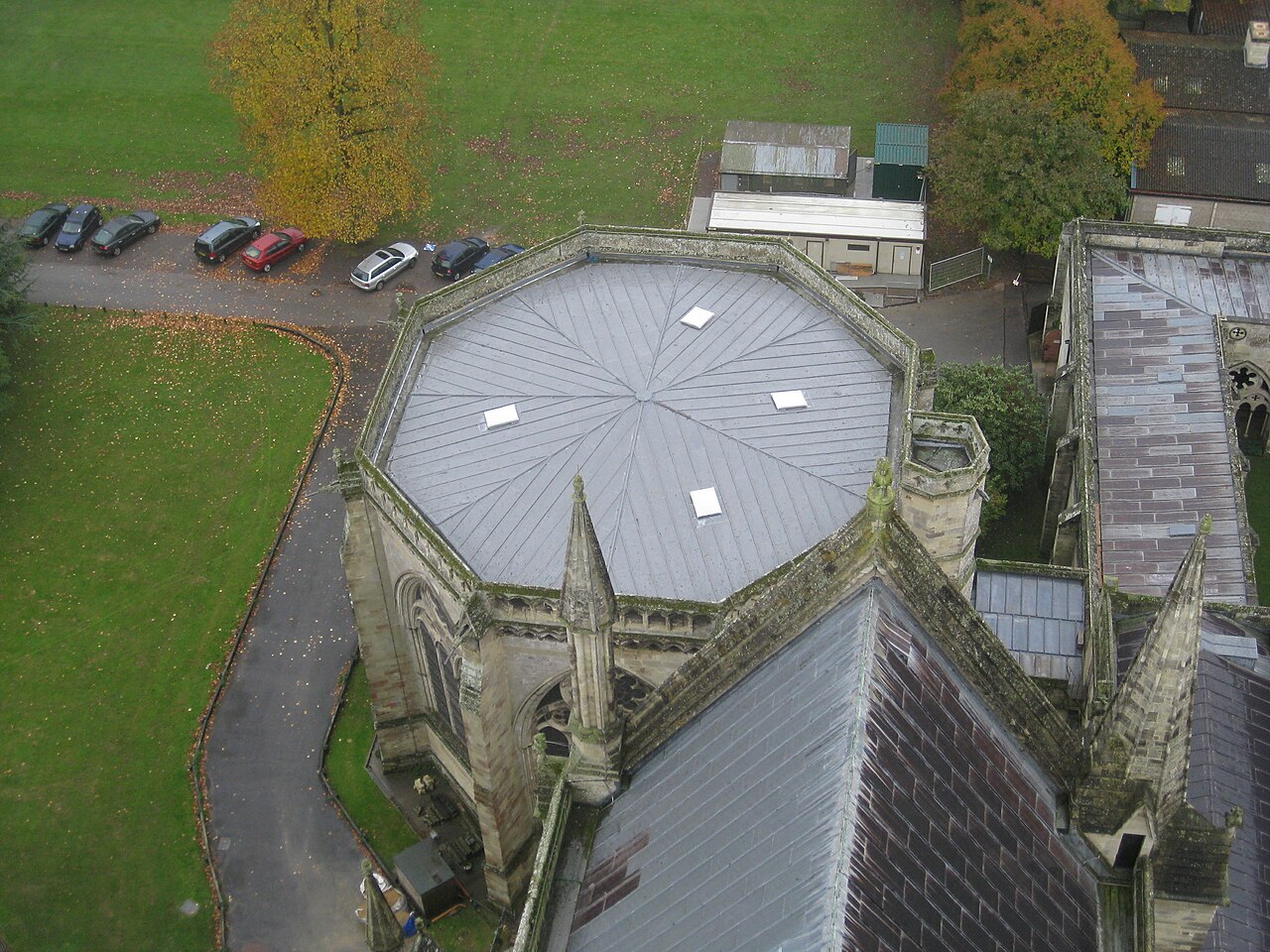
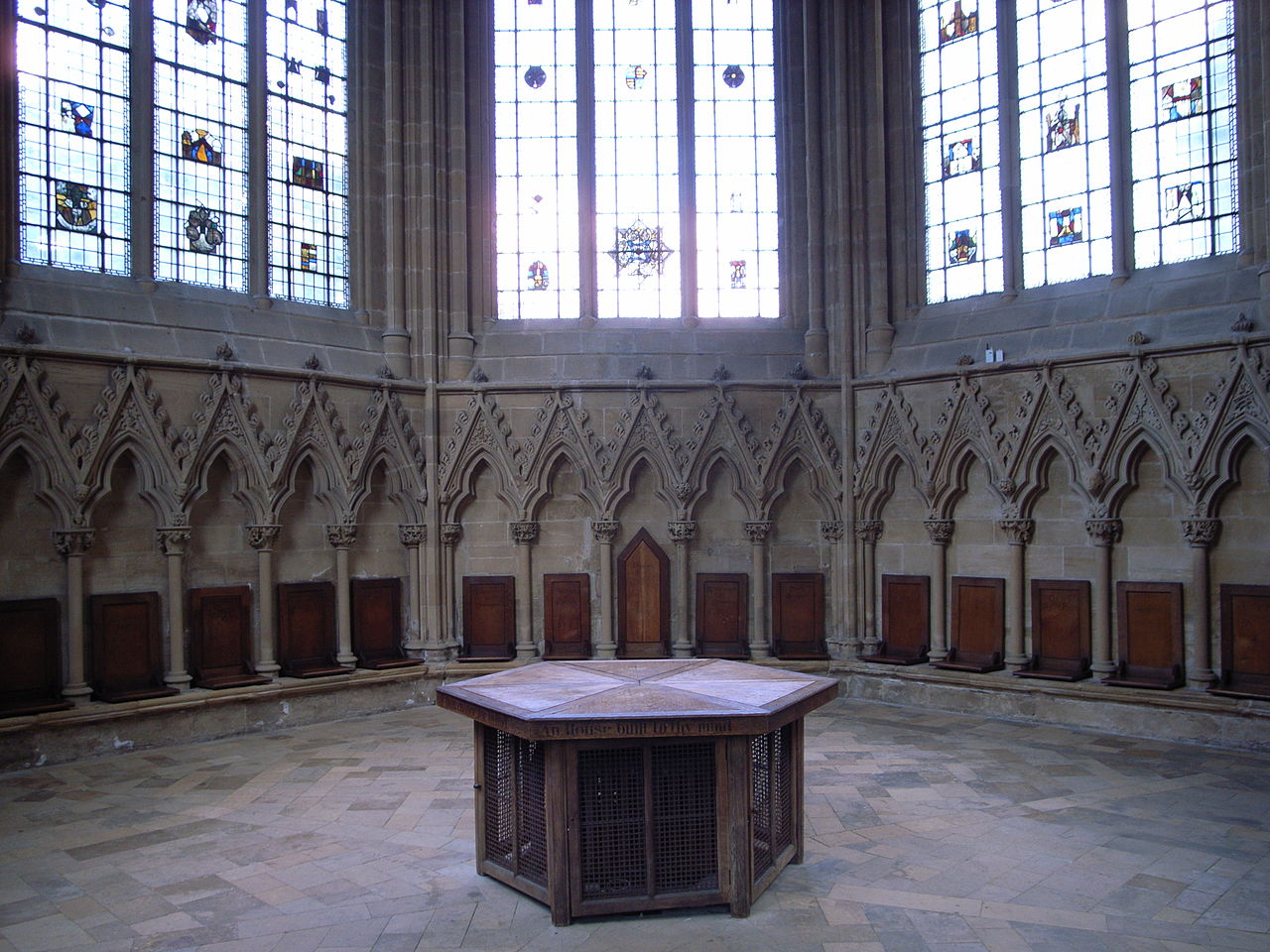
Designs vary, but several features recur. Plan shapes range from rectangular to polygonal—octagonal forms are common in Gothic examples. Interiors often have seating built into the walls to accommodate members, a raised seat for the presiding official, and vaulted ceilings or ribbed vaulting. Large windows admitted light for reading and sometimes held stained glass. Access is typically from the cloister, and some chapter houses were provided with secure storage for charters and archives.
Functions and uses
- Regular meetings of the cathedral chapter or monastic community, including the reading of rules and scriptures.
- Administrative business such as election of officers, management of estates and routine governance.
- Record-keeping and safekeeping of important documents and registers.
- Occasional judicial or disciplinary hearings and ceremonial functions tied to the life of the community.
Chapter houses are closely associated with both cathedrals and monasteries, and many famous medieval complexes preserve notable examples which attract architectural study and public interest.
Significance and preservation
Because chapter houses combine civic and religious functions they are important sources for the study of medieval institutional life as well as architecture. Some survive in good condition and are open to visitors; others were lost or repurposed during periods of religious and political change. Conservators often prioritize them for study and restoration because of their carved stonework, glazing and historic plan form.
Questions and answers
Q: What is a chapter house?
A: A chapter house is a special building or room connected to a cathedral or large church where cathedral chapter meetings are held.
Q: Where were chapter houses also built?
A: Chapter houses were also constructed in medieval monasteries.
Q: What is the purpose of a chapter house?
A: The purpose of a chapter house is to serve as the venue for cathedral chapter meetings.
Q: What is a cathedral chapter meeting?
A: A cathedral chapter meeting is a forum where the bishop, priests, and other officials of a diocese discuss administrative and ecclesiastical matters.
Q: Are chapter houses exclusive to cathedrals and large churches?
A: Yes, chapter houses are only found in cathedrals and large churches.
Q: What is the significance of a chapter house in religious architecture?
A: Chapter houses played a significant role in stimulating the development of Gothic architecture in medieval Europe.
Q: How does a chapter house differ from a regular room?
A: A chapter house is different from a typical room, as it is specifically designed and reserved for cathedral chapter meetings.
Related articles
Author
AlegsaOnline.com Chapter house: medieval meeting rooms of cathedrals and monasteries Leandro Alegsa
URL: https://en.alegsaonline.com/art/18621
Sources
- en.wikisource.org : "Chapter House"