
Beau Brummell: architect of the Regency dandy and modern men's tailoring
Beau Brummell (George Bryan Brummell) led men's fashion in Regency England, promoting understated, well-cut clothes and immaculate grooming. His style influenced tailoring and dandyism across the 19th century and beyond.
Overview
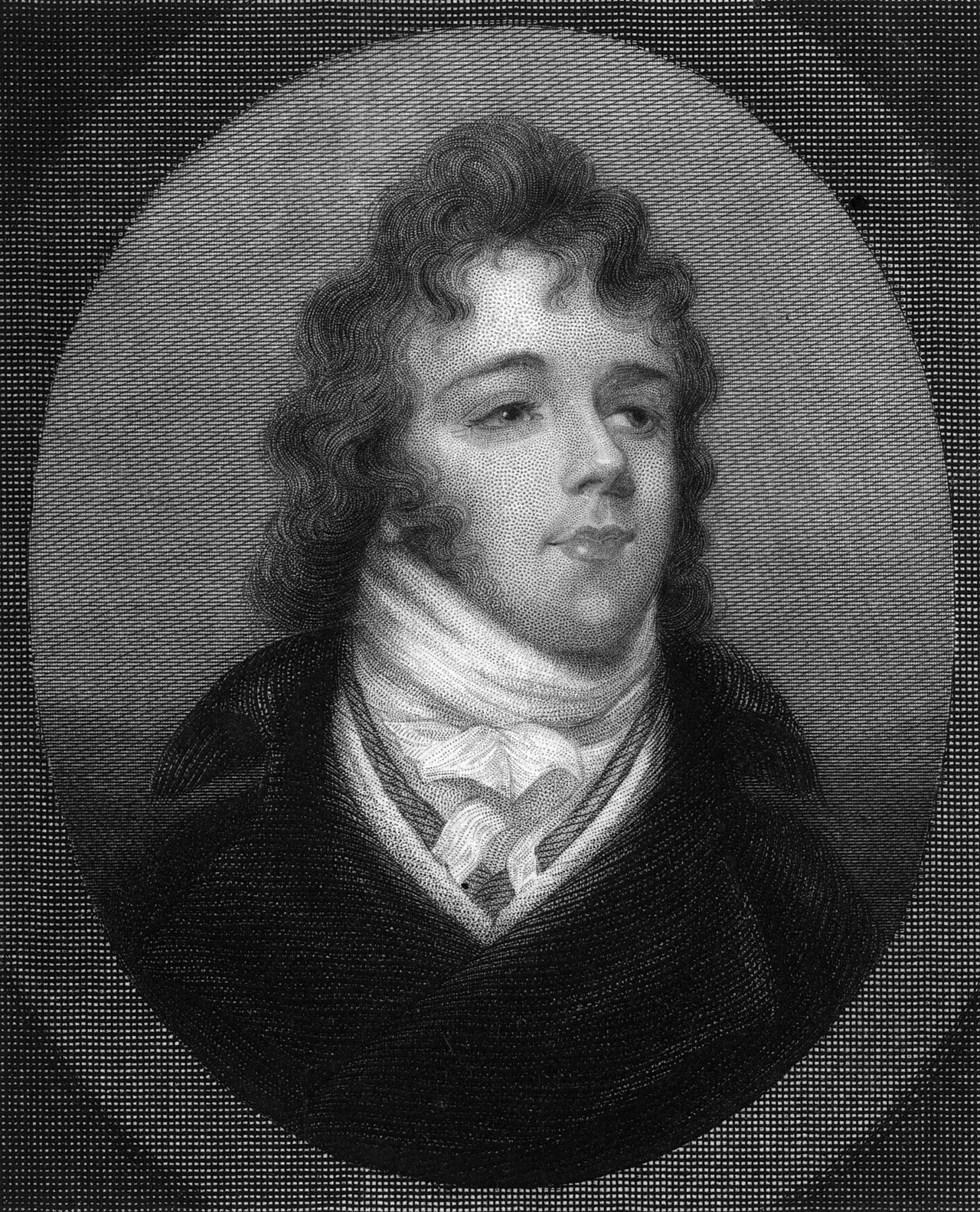
Beau Brummell was the popular name of George Bryan Brummell (born 7 June 1778), a central figure in English high society whose taste and habits reshaped how men dressed in the early 19th century. He became famous for insisting on neatness, simplicity and exceptional tailoring rather than the ornate fashions of earlier decades. Brummell rose to prominence in Regency England and counted among his acquaintances the Prince Regent; his life began in London and ended in exile in Caen, France.
Image gallery
7 Images



Style and defining characteristics
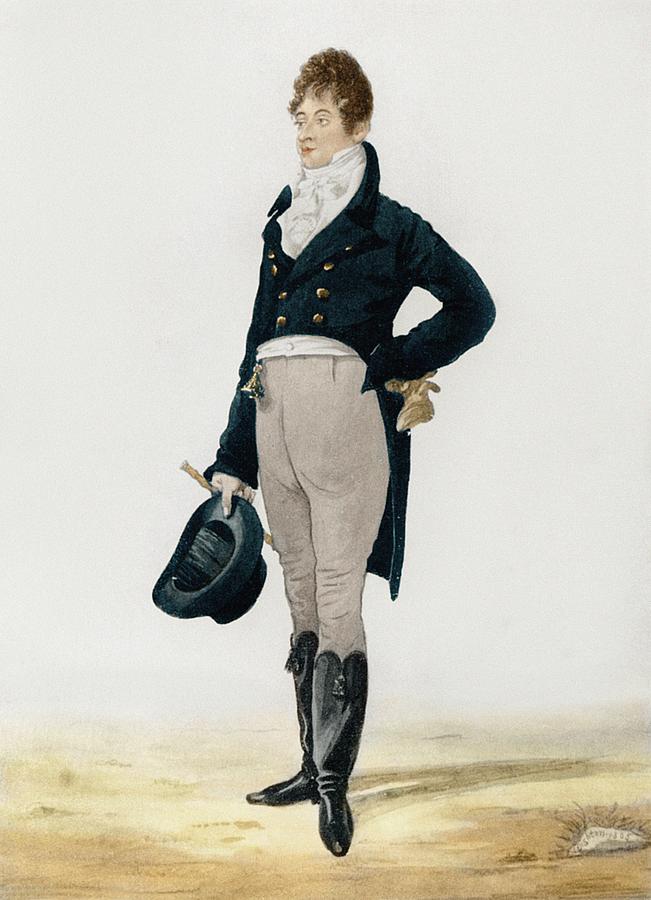
Brummell's approach emphasized fit and understatement. He preferred plain but perfectly cut garments, immaculate linen, carefully tied cravats and polished boots. These choices shifted taste away from bright colors and heavy ornament toward sober palettes and precision tailoring. Key elements associated with his influence include:
- Well-cut coats and waistcoats: garments fitted closely to the body and made to flatter the silhouette.
- Attention to linen and grooming: cleanliness, fresh shirts and precisely tied neckcloths were essential.
- Subtle elegance: restraint in color and ornament that implied refinement rather than display.
His advocacy for tailored clothing helped establish standards that modern menswear continues to follow.
Life, rise and decline
Brummell became prominent at court and in fashionable circles through personal charm, wit and a reputation for impeccable dress. Although he enjoyed patronage and influence, his fortunes changed as debts and strained relationships mounted. After falling out with some powerful friends he left England and spent his final decades abroad in reduced circumstances. His story is often told as a contrast between a celebrated public image and a difficult private decline.
Legacy and cultural importance
Beau Brummell is widely regarded as the prototype of the dandy: a man whose identity was shaped by style, manners and exacting standards of appearance. His ideas about simplicity and fit influenced tailors, military dress reforms and later generations of menswear designers. Brummell also entered literature, theater and film as a symbol of elegance and social ambition, appearing in biographies and dramatisations that explore fashion, class and personality. For those researching the period or the origins of modern men's tailoring, references to men's fashion in the Regency era commonly mention his name.
Questions and answers
Q: Who was Beau Brummell?
A: Beau Brummell was the leader of men's fashion in Regency England.
Q: When was Beau Brummell born and where?
A: Beau Brummell was born on 7 June 1778 in London.
Q: When did Beau Brummell die and where?
A: Beau Brummell died on 30 March 1840 in Caen, France.
Q: What contribution did Beau Brummell make to men's fashion?
A: Beau Brummell started the fashion for men to wear tailored clothes that were tasteful and fitted well.
Q: Who was Beau Brummell's friend?
A: Beau Brummell's friend was the Prince Regent, the future King George IV.
Q: What era did Beau Brummell influence?
A: Beau Brummell influenced the men's fashion in Regency England.
Q: What kind of clothes did Beau Brummell promote?
A: Beau Brummell promoted men to wear tailored and tasteful clothes that fitted them well.
Related articles
Author
AlegsaOnline.com Beau Brummell: architect of the Regency dandy and modern men's tailoring Leandro Alegsa
URL: https://en.alegsaonline.com/art/114920
Sources
- cabinetmagazine.org : A poet of cloth
- entertainment.timesonline.co.uk : The man who invented the suit
- janeausten.co.uk : "An overview of men's fashion during the Regency"
- infomotions.com : The wits and beaux of society. volume 2
- janeaustensworld.wordpress.com : The Regency underworld, Donald A Lowe
- londonremembers.com : "Beau Brummell : London Remembers, Aiming to capture all memorials in London"