
Maurice Ravel: life, music, and legacy
French composer Maurice Ravel (1875–1937) is celebrated for his refined orchestration, piano works, and evocative pieces like Boléro and Ma mère l'Oye, distinguished from Debussy by clarity and classical balance.
Overview
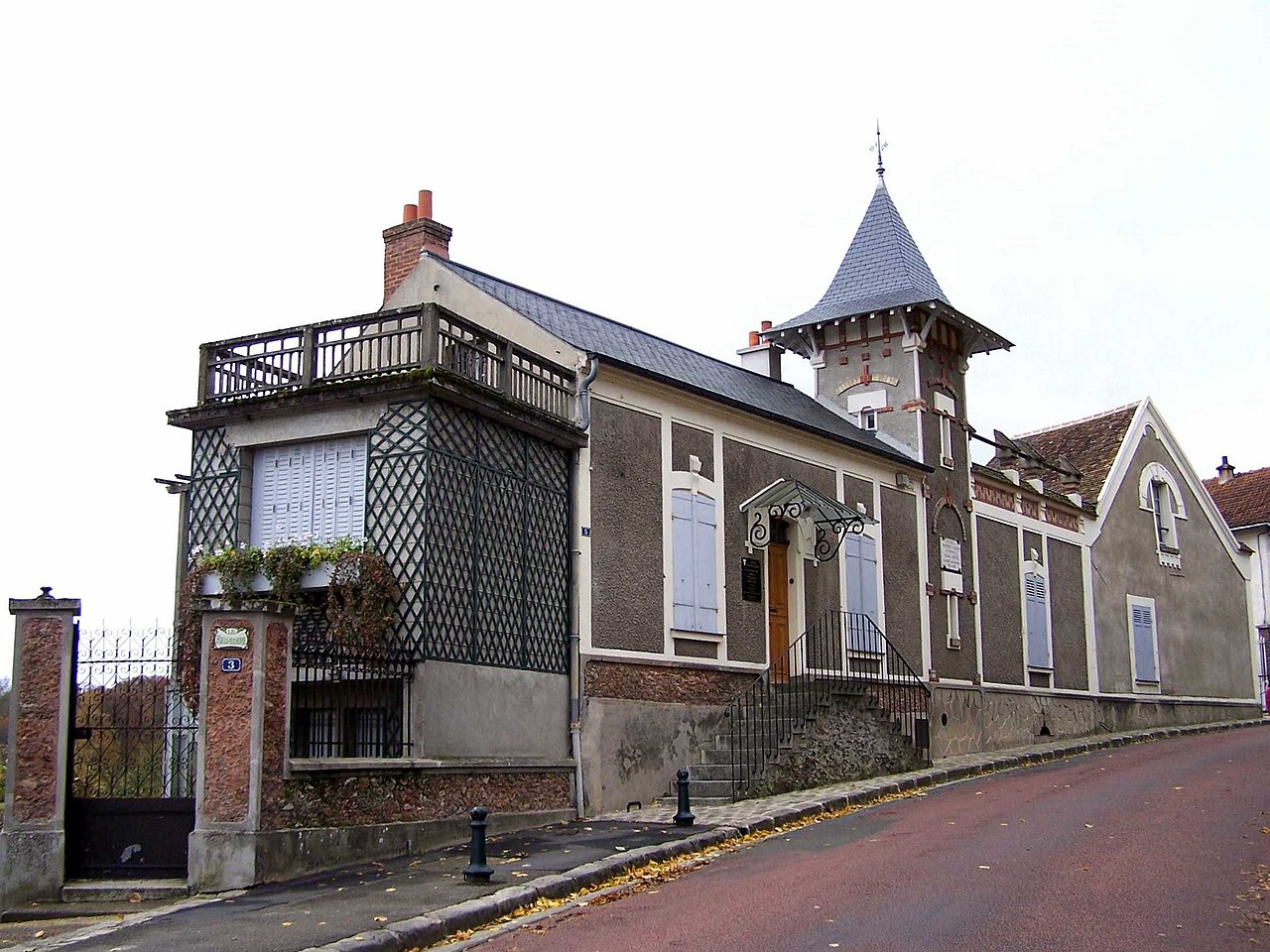
Maurice Ravel (7 March 1875 – 28 December 1937) was a prominent French composer born in Ciboure, in the department of Pyrénées-Atlantiques, and who died in Paris. His music spans solo piano, chamber ensemble, ballet and orchestral repertoire. Although often mentioned alongside Claude Debussy, Ravel developed a distinct voice noted for crystalline textures, rhythmic drive and masterful orchestration.
Image gallery
10 Images



Musical characteristics
Ravel combined rigorous formal control with vivid color and imagination. He was especially admired for orchestration: many works exist in both piano and orchestral versions, and performers prize his skill at mixing instrumental timbres. His harmonies draw on modal scales, folk influences and, in later works, elements of jazz and popular music. He enjoyed programmatic subjects and scenes, often composing pieces inspired by children and animals or by fairy tales, giving his music narrative charm as well as technical sophistication.
Notable works
- Boléro — a prolonged orchestral crescendo built on a persistent rhythm; a commercial and cultural touchstone;
- Ma mère l'Oye (Mother Goose) — a suite for piano and later orchestra inspired by tales for children;
- Pavane pour une infante défunte — an elegiac dance, often heard in solo piano and orchestral arrangements;
- Gaspard de la nuit and other virtuosic piano pieces — technically demanding and evocative;
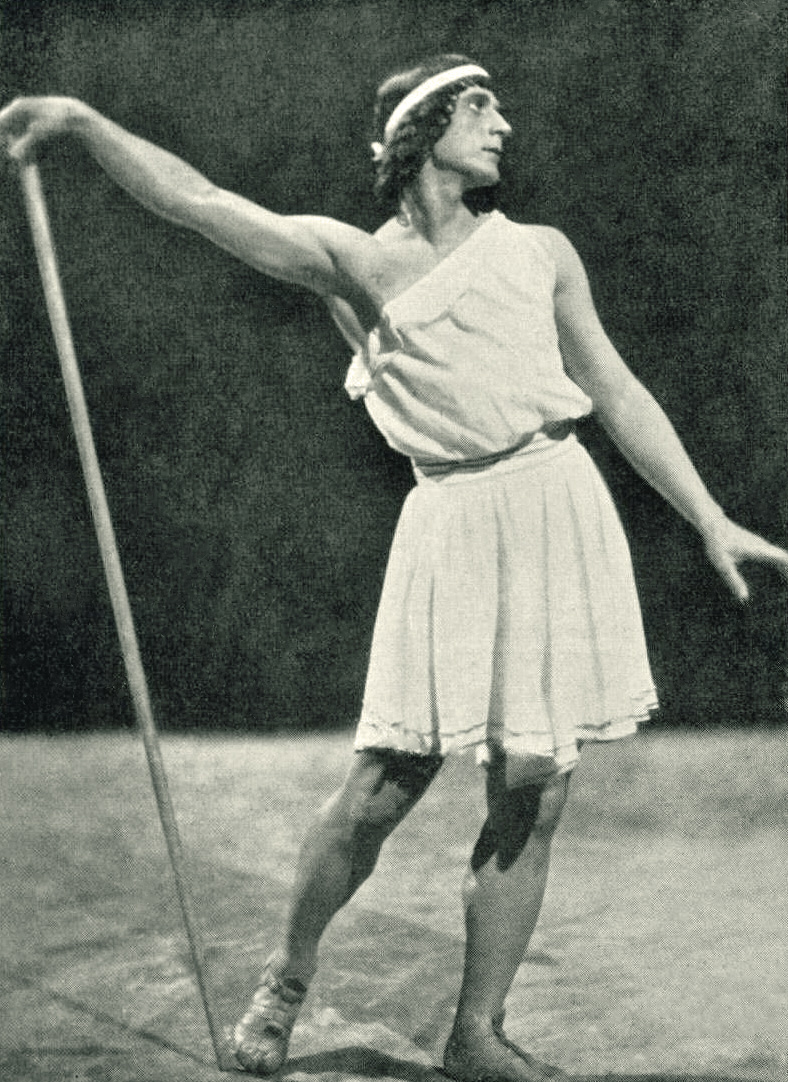
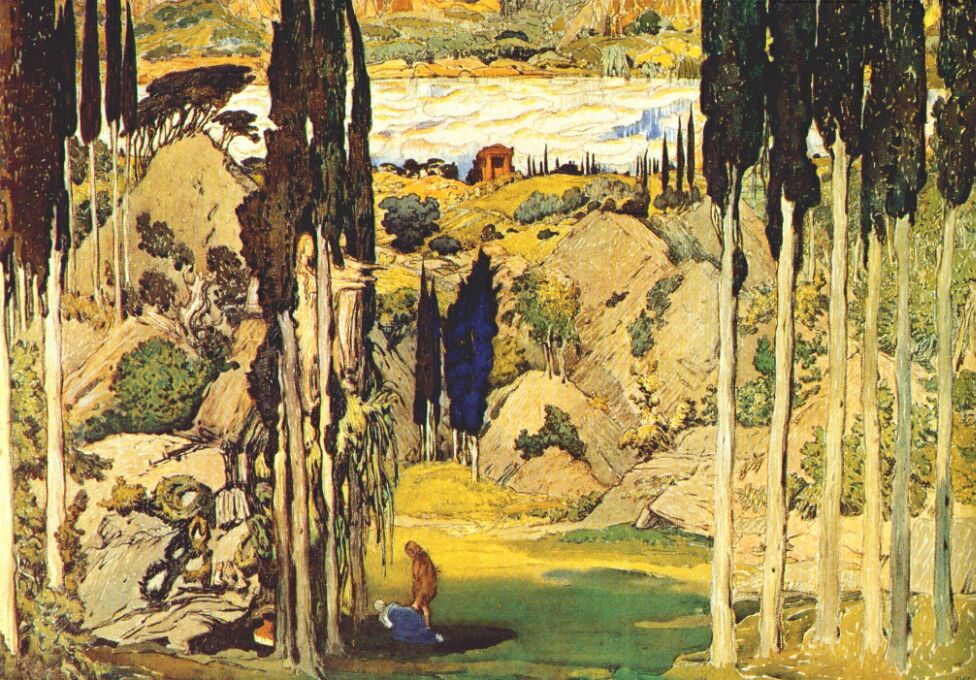
- Balanchine and ballet collaborations such as Daphnis et Chloé, and concertos including the Piano Concerto in G.
Career and later life
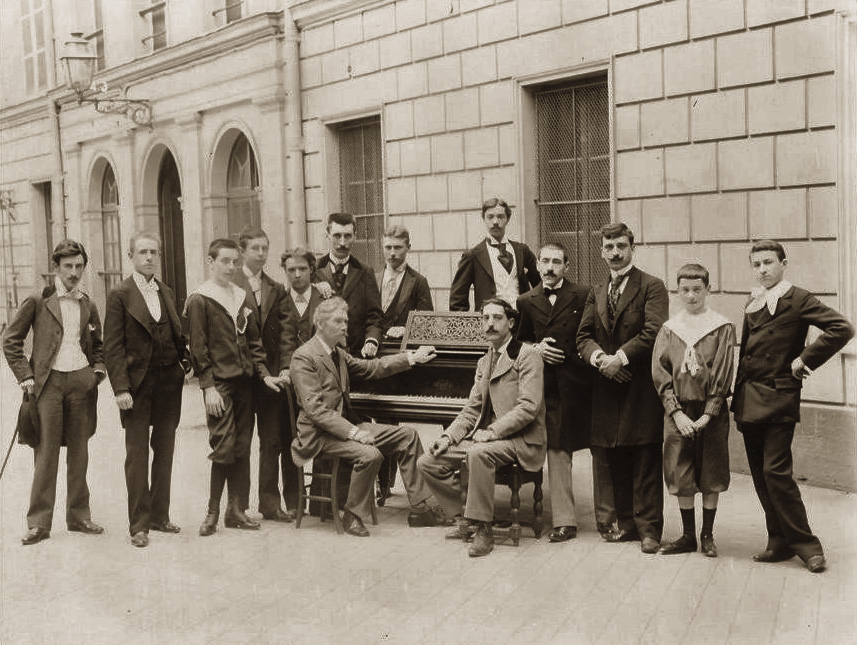
Ravel studied at the Paris Conservatoire and maintained a slow, exacting creative pace. He served in non-combatant capacities during World War I and returned to composing and arranging afterward. In the 1930s his health deteriorated because of a neurological condition that impaired his writing; he died following an operation in 1937. His music continued to be widely performed and recorded after his death.
Legacy and notable facts
Ravel's works remain central to concert repertoires and pedagogical study. His knack for balance—combining formal clarity with colorful sonorities—distinguishes him from other early 20th-century composers. Popular culture has also referenced his music: for example, the orchestra-only Boléro was adapted into a program used by ice dancers Torvill and Dean, and his piano pieces are staples of advanced repertoire. Ravel's oeuvre is valued both for its technical brilliance and for its imaginative storytelling through sound.
For introductions and scores, see collections and recordings linked by national libraries and specialist publishers: birthplace resources, regional archives, and musical foundations often provide further reading and catalogues of works.
Further reading and listening are available through dedicated composer pages and music libraries: composer biographies, studies of text and inspiration, and performance archives at major conservatories and media collections for piano repertoire. Contextual material comparing Ravel and Debussy can help clarify their different approaches to timbre and form.
Questions and answers
Q: Who is Maurice Ravel?
A: Maurice Ravel was a French composer.
Q: How is Maurice Ravel's music different from Claude Debussy's music?
A: Although Maurice Ravel's name is often thought of together with that of Claude Debussy, their music is really very different.
Q: What did Maurice Ravel like to write about in his music?
A: Maurice Ravel liked to write about fairy tales and stories from far away lands, as well as children and animals.
Q: What instrument did Maurice Ravel write some lovely music for?
A: Maurice Ravel wrote some lovely piano music, most of which is difficult to play.
Q: What is Boléro?
A: Boléro is a 17-minute piece for orchestra.
Q: Who used a short version of Boléro for their ice-skating performance?
A: Ice-skaters Torvill and Dean used a short version of Boléro for the dance that made them Olympic champions in 1984.
Q: When was Maurice Ravel born and when did he die?
A: Maurice Ravel was born on March 7, 1875, and he died on December 28, 1937.
Author
AlegsaOnline.com Maurice Ravel: life, music, and legacy Leandro Alegsa
URL: https://en.alegsaonline.com/art/126470