
Dakotaraptor — large Late Cretaceous dromaeosaurid
Dakotaraptor, a large feathered dromaeosaurid from the Late Cretaceous of North America, known for its size, sickle claw and quill knobs; important for understanding raptor diversity near the end of the age of dinosaurs.
Overview — Dakotaraptor is a genus of large carnivorous theropod often placed among the dromaeosaurids. It lived during the latest Cretaceous in what is now North America and is noted for a combination of features that link it to smaller ‘raptor’ dinosaurs while approaching the size of medium-sized tyrannosaurids. The name highlights its geographic origin and predatory adaptations.
Image gallery
10 Images
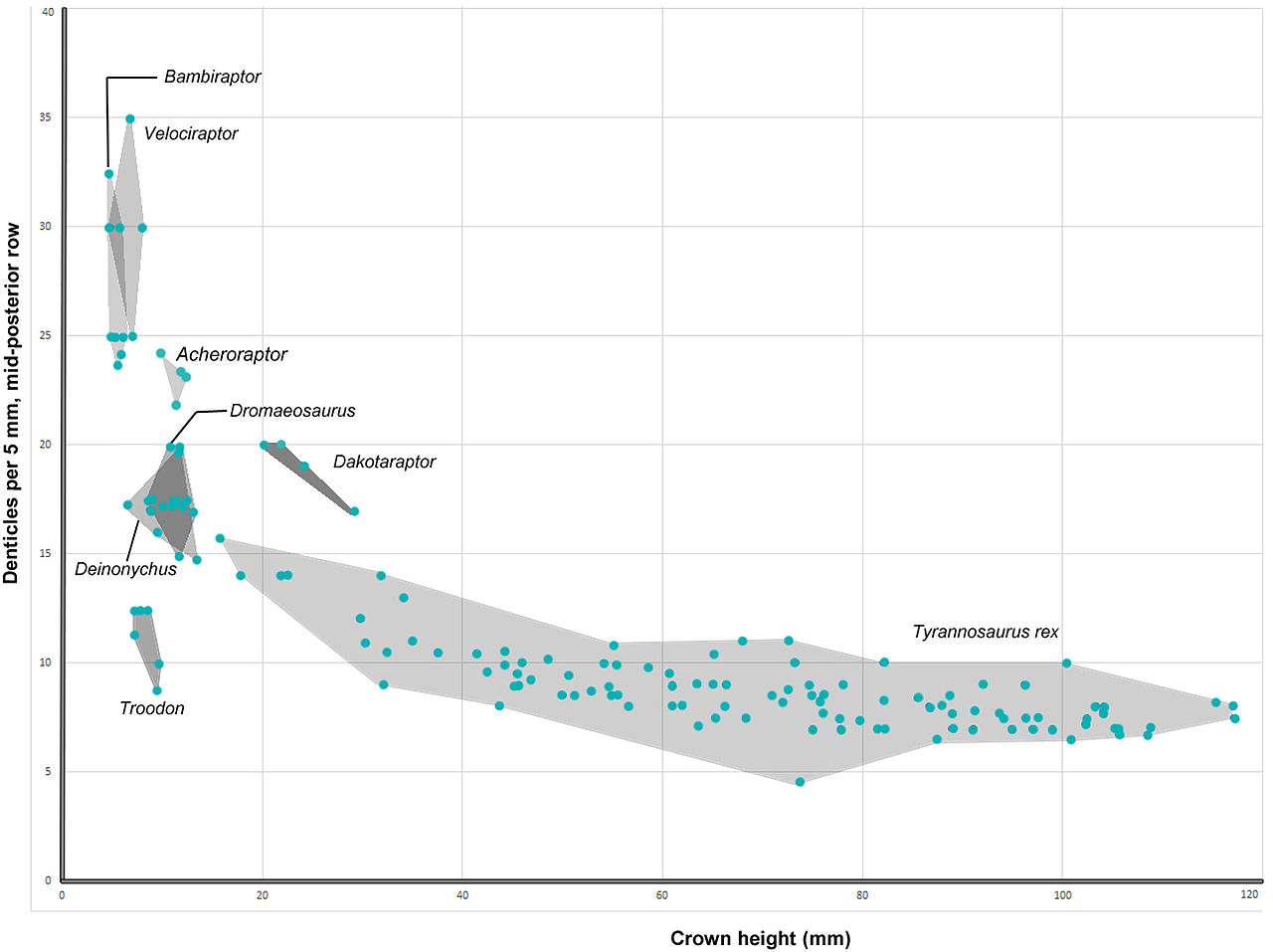


Key characteristics
Fossils attributed to Dakotaraptor show a robust build and several distinctive traits. These include a pronounced recurved sickle-shaped claw on the second toe, limb proportions suggesting strong forelimbs, and marks on the forearm bones interpreted as quill knobs — attachment points for large feathers.
- Large body size compared with most dromaeosaurids, with proportionally long arms.
- Enlarged pedal digit II claw typical of the group.
- Evidence for feathers indicated by quill knob impressions.
Discovery and scientific context
Remains of Dakotaraptor were recovered from Late Cretaceous strata and described in the 21st century. The material came from sediments of the Maastrichtian stage and helped extend knowledge of raptor-line theropods living just before the end-Cretaceous extinction. Its discovery added to the diversity of known North American theropods and stimulated new comparisons with both smaller dromaeosaurids and other large predators of the same ecosystems. For general context see the broader dromaeosaurid literature: dromaeosaurid overview.
Paleobiology and importance
Scientists infer from its anatomy that Dakotaraptor was an active predator or scavenger employing grasping forelimbs and a slashing hind-claw in prey capture. The possible presence of large feathers has implications for display, thermoregulation, or pack-hunting behavior, and underscores the diversity of integument among Late Cretaceous theropods. For discussion of its place among dinosaurs, see general dinosaur resources: dinosaur information.
Distinctions and debates
Not all aspects of the Dakotaraptor fossils are uncontroversial. Some researchers have debated the association and completeness of the bones and the interpretation of quill knobs, so aspects of size, appearance and ecology remain topics of active study. Its discovery in North American Late Cretaceous deposits links it with other regional faunal studies: North American Late Cretaceous.
For museum summaries, field reports or taxonomic databases that discuss Dakotaraptor and related taxa, consult specialist resources and online compilations: research summaries.
Related articles
Author
AlegsaOnline.com Dakotaraptor — large Late Cretaceous dromaeosaurid Leandro Alegsa
URL: https://en.alegsaonline.com/art/25168