
Dalmatian (dog)
Medium-sized, spotted breed from Dalmatia known for its white coat with dark spots, high energy, and history as a carriage and firehouse companion. Requires exercise, socialization and attention to breed-specific health issues.
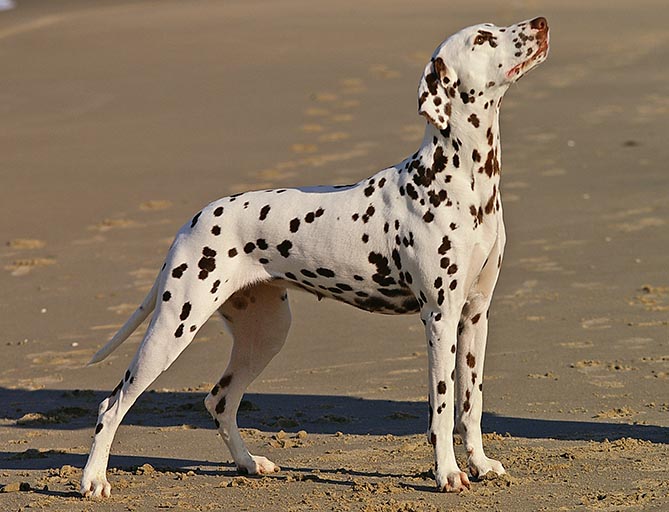
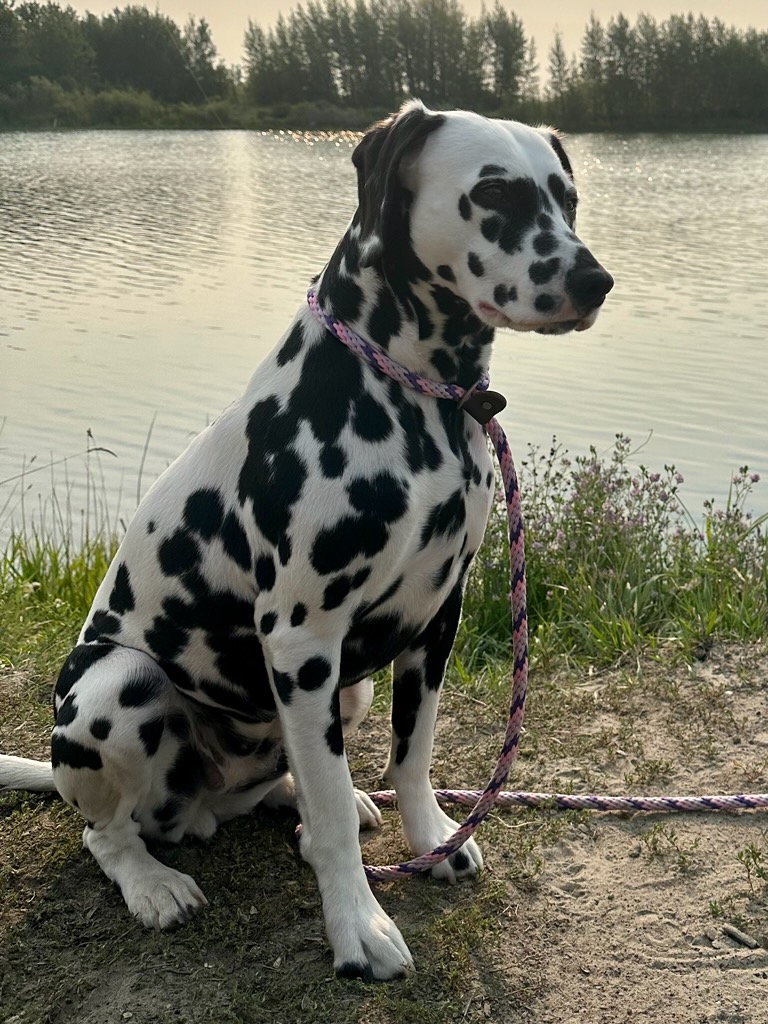
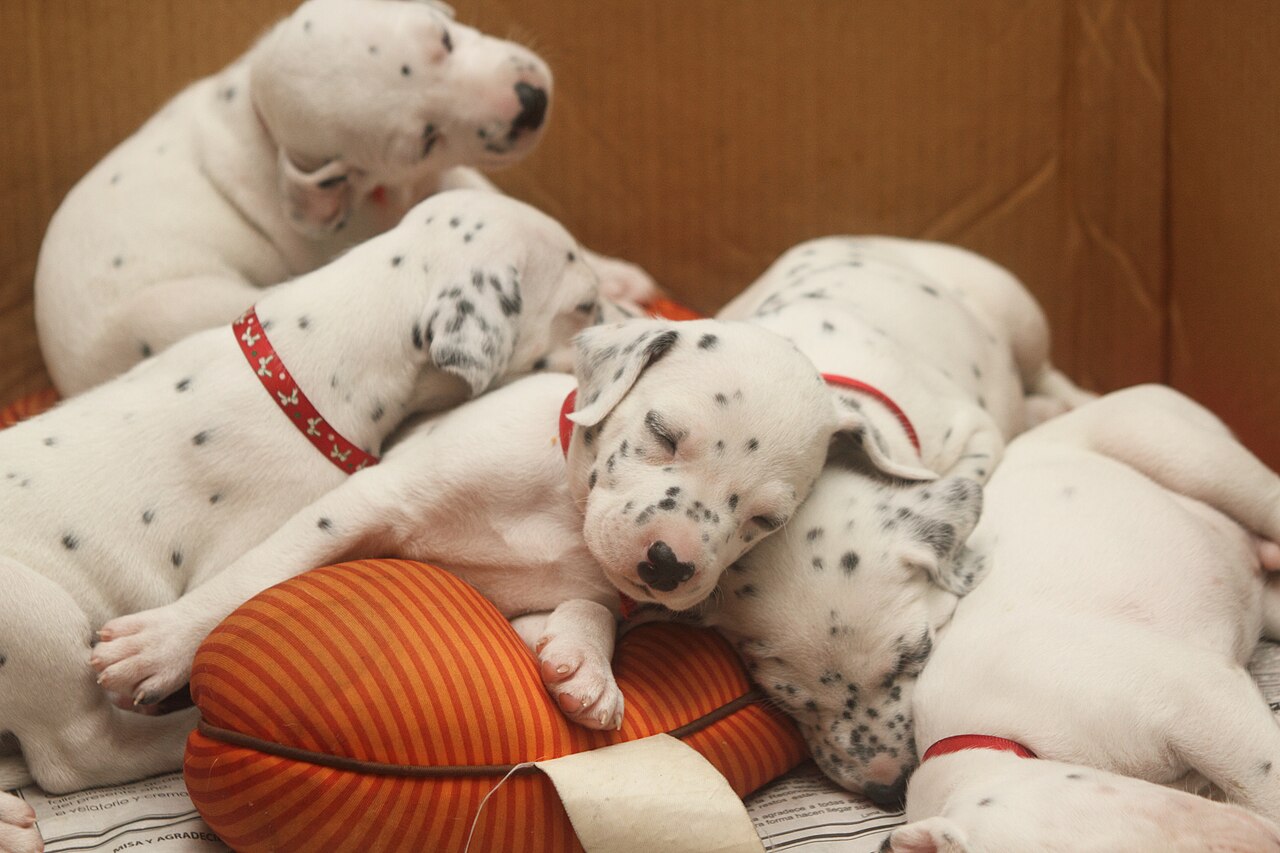
Overview — The Dalmatian is a distinctive medium-sized breed of dog noted for a white coat marked with black or liver spots. The pattern is unique to each animal; puppies are born solid white and develop their spots as they mature. Historically associated with the eastern Adriatic, the breed’s local name is Dalmatinac, reflecting its connection to the region of Dalmatia in Croatia.
Image gallery
10 Images



Appearance and temperament
Dalmatians are athletic, well-muscled dogs with a short, dense coat. They are energetic, alert and often described as outgoing and playful. Early, consistent socialization and training are important; otherwise their intelligence and energy can lead to boredom-related behaviors.
- Coat: Short, glossy, white background with well-defined round spots that can be black or liver-colored.
- Build: Medium-sized, balanced and brisk; built for endurance rather than heavy pulling.
- Temperament: Lively, loyal and sometimes independent; they thrive on activity and human interaction.
Origins and historical roles
The precise origins of the Dalmatian are uncertain, but cultural and visual links to the Adriatic coast are long established. The breed became closely associated with horse-drawn coach work in Europe, acting as a carriage or coach dog that ran alongside vehicles to guard horses and clear a path. Their visibility beside coaches and later fire apparatus led to an enduring association with fire brigades and the role of firehouse mascot (fire department).
Over time Dalmatians served in a variety of working roles, including performing in travelling circuses (circus performers), assisting shepherds (shepherd), controlling vermin and guarding. These practical uses contributed to their reputation for stamina and trainability.
Health, care and training
As with many breeds, Dalmatians have breed-specific health considerations. They have a higher incidence of congenital deafness than many other breeds, so hearing screening is recommended for puppies. The breed also has a characteristic uric acid metabolism that can predispose some individuals to urinary issues; careful breeding and veterinary guidance help reduce risks. Regular veterinary checks, attention to diet and hydration, and screening are advised and discussed in many breed accounts.
Grooming needs are modest because of the short coat, but daily exercise and mental stimulation are essential. Training responds best to consistent, positive methods; tasks that channel their energy, such as running, agility or scent work, are often rewarding for both dog and owner.
Breed standards and cultural impact
Breed standards used by kennel clubs describe proportions, spotting, gait and temperament that judges and breeders reference. The Dalmatian has a visible place in popular culture and literature — for example, the breed reached broad public awareness through well-known works of fiction and film — and continues to be kept as both a companion and working dog.
Questions and answers
Q: What is a Dalmatian?
A: A Dalmatian is a breed of dog.
Q: Why is it called a Dalmatian?
A: It is named after the Adriatic coast of Dalmatia, in Croatia, its first home.
Q: What are the origins of the Dalmatian breed?
A: The origins of the Dalmatian breed are unknown.
Q: What are some jobs that Dalmatians have been used for?
A: Dalmatians have been used for many jobs including war dog, fire department mascot, shepherd, coach or carriage dog, circus performer, vermin hunter, fire-apparatus follower, and guard dog.
Q: What is the Dalmatian best known for?
A: The Dalmatian is best known as a coach or carriage dog, being a guard for horse-pulled vehicles.
Q: Can Dalmatians be used for herding?
A: Yes, Dalmatians have been used as shepherds.
Q: What makes Dalmatians good guard dogs?
A: Dalmatians being protective and loyal dogs make them a great choice for guard dogs.
Related articles
Author
AlegsaOnline.com Dalmatian (dog) Leandro Alegsa
URL: https://en.alegsaonline.com/art/25230
Sources
- britannica.com : "Dalmatian (breed of dog) -- Britannica Online Encyclopedia"
- dogbreedinfo.com : "Dalmatian Information and Pictures, Dalmatians, Fire Dog"
- patch.com : "Should I Purchase Pet Insurance?"
- dog-behavior-training.co.uk : "Dalmatian Dog Breed"