
Danaini: the milkweed butterflies (tribe Danaini)
Danaini is a tribe of milkweed butterflies in the subfamily Danainae, known for caterpillars that feed on toxic plants, aposematic coloration, mimicry, and the famous migratory Monarch.
Danaini is a tribe of butterflies belonging to the subfamily Danainae. Members of this group are commonly called milkweed or danaid butterflies because their larvae feed on milkweed and related plants. That diet allows caterpillars and adults to accumulate bitter or toxic chemicals that make them distasteful to predators, a defensive strategy reflected in bright, warning coloration and participation in mimicry systems.
Image gallery
10 Images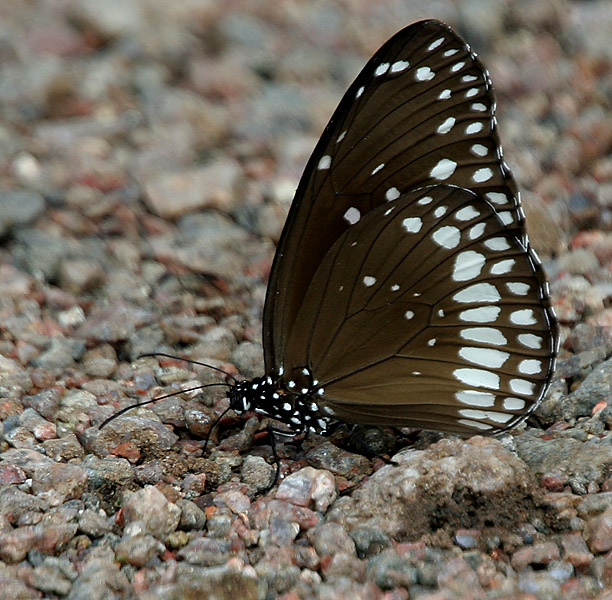





Characteristics
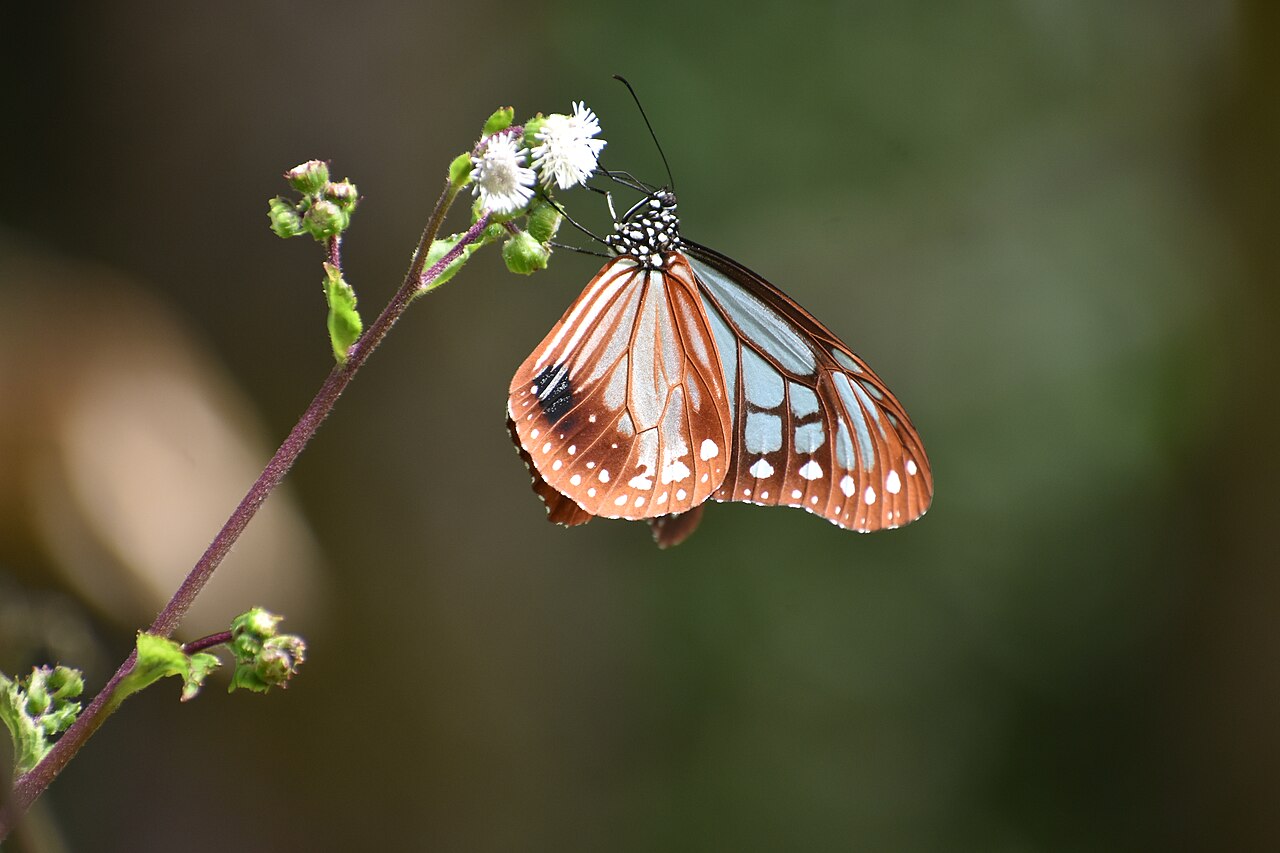
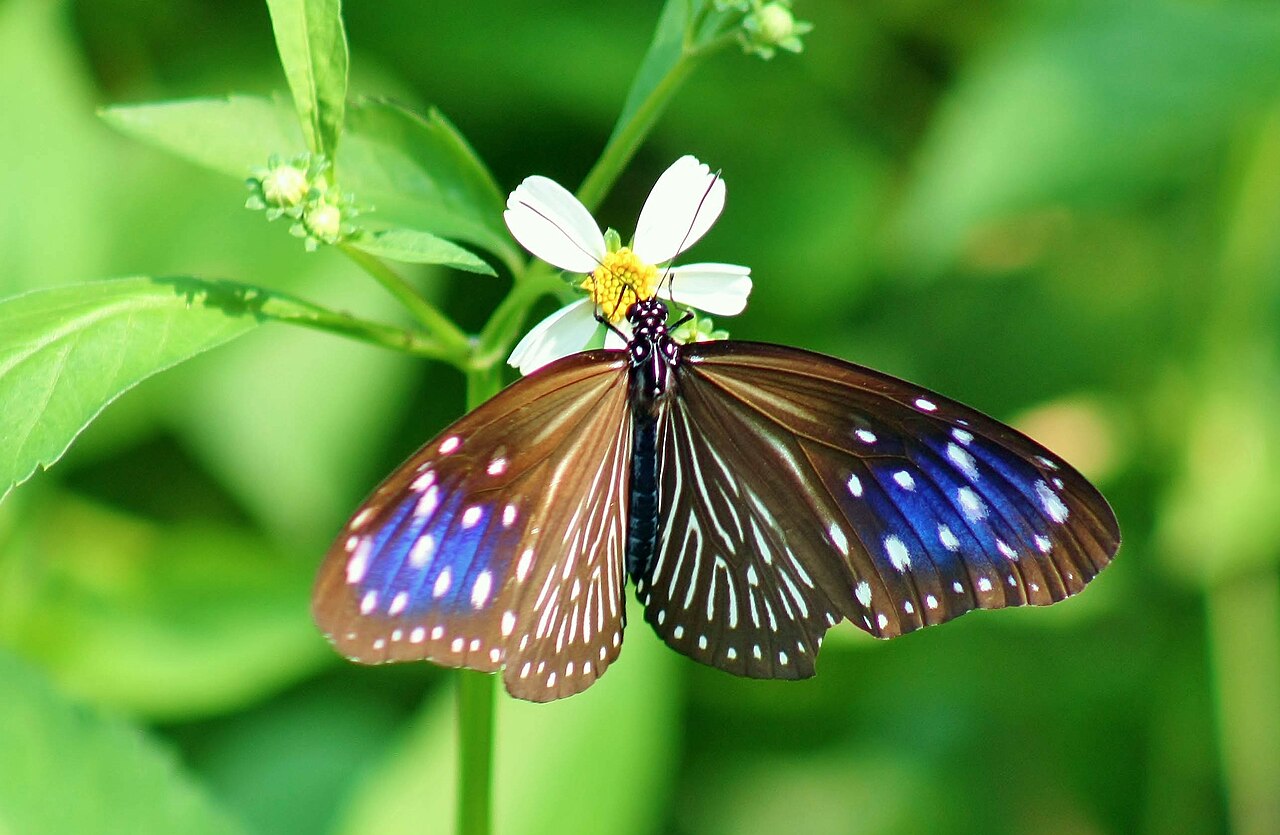
Adults of Danaini typically have robust bodies and wings with bold patterns of orange, black, brown or blue, often accentuated by white spots or bands. The larvae are frequently striped and bear head shields or small tubercles. Their host plants are usually members of the milkweed group (Asclepiadoideae) and related Apocynaceae, which contain cardiac glycosides (cardenolides) and other secondary compounds. By sequestering these toxins, many danaine species become unpalatable, which in turn encourages both Müllerian mimicry (mutually unpalatable species resembling one another) and Batesian mimicry (palatable species mimicking unpalatable ones).
Distribution and diversity
Although representatives occur worldwide in suitable climates, most Danaini species are concentrated in tropical and subtropical Asia, particularly Southeast Asia. The tribe also includes well-known genera that occur in Africa, Australasia and the Americas. One of the most familiar members to many people is the Monarch (Danaus plexippus), famous for its long-distance migrations in North America and for its striking orange-and-black pattern.
Life cycle and behavior
Danaini undergo complete metamorphosis: egg, larva (caterpillar), pupa (chrysalis) and adult. Females lay eggs on host plants so growing larvae can begin feeding immediately. Developmental timing, seasonal forms and migratory behavior vary by species; some danaine butterflies are sedentary tropical species, while others, notably the North American Monarch, perform multigenerational migrations over thousands of kilometers.
Ecology, human interest and conservation
Danaini play important ecological roles as herbivores and as models and participants in mimicry complexes that shape predator–prey interactions. They are also of popular and scientific interest because their chemical ecology and migrations are relatively easy to observe. Several species face threats from habitat loss, pesticide use, and declines in host plants and nectar sources. Conservation efforts for some danaine butterflies focus on restoring native host plants and protecting migratory stopover and overwintering sites.
- Taxonomic placement: tribe Danaini within the subfamily Danainae.
- Typical host plants: milkweeds and related Apocynaceae (regions where many species occur).
- Notable species: Monarch (Danaus plexippus) and numerous Asian danaids important in mimicry networks.
For readers seeking more detail on taxonomy, distribution and species accounts, consult specialist references or databases that cover Lepidoptera and regional butterfly faunas.
Related articles
Author
AlegsaOnline.com Danaini: the milkweed butterflies (tribe Danaini) Leandro Alegsa
URL: https://en.alegsaonline.com/art/25321