
Cyrillic script
An overview of the Cyrillic writing system: origins, characteristics, historical development, modern variants and the languages and regions where it is used.
Overview
The Cyrillic script is a writing system originally devised for Slavic languages and later adapted for many other tongues. Its name commemorates Saint Cyril, one of the missionaries associated with the Christianization of the Slavs. Cyrillic is written left to right and exists in multiple national alphabets that share a common ancestry but differ in letters and pronunciation rules.
Image gallery
8 Images





Structure and characteristics
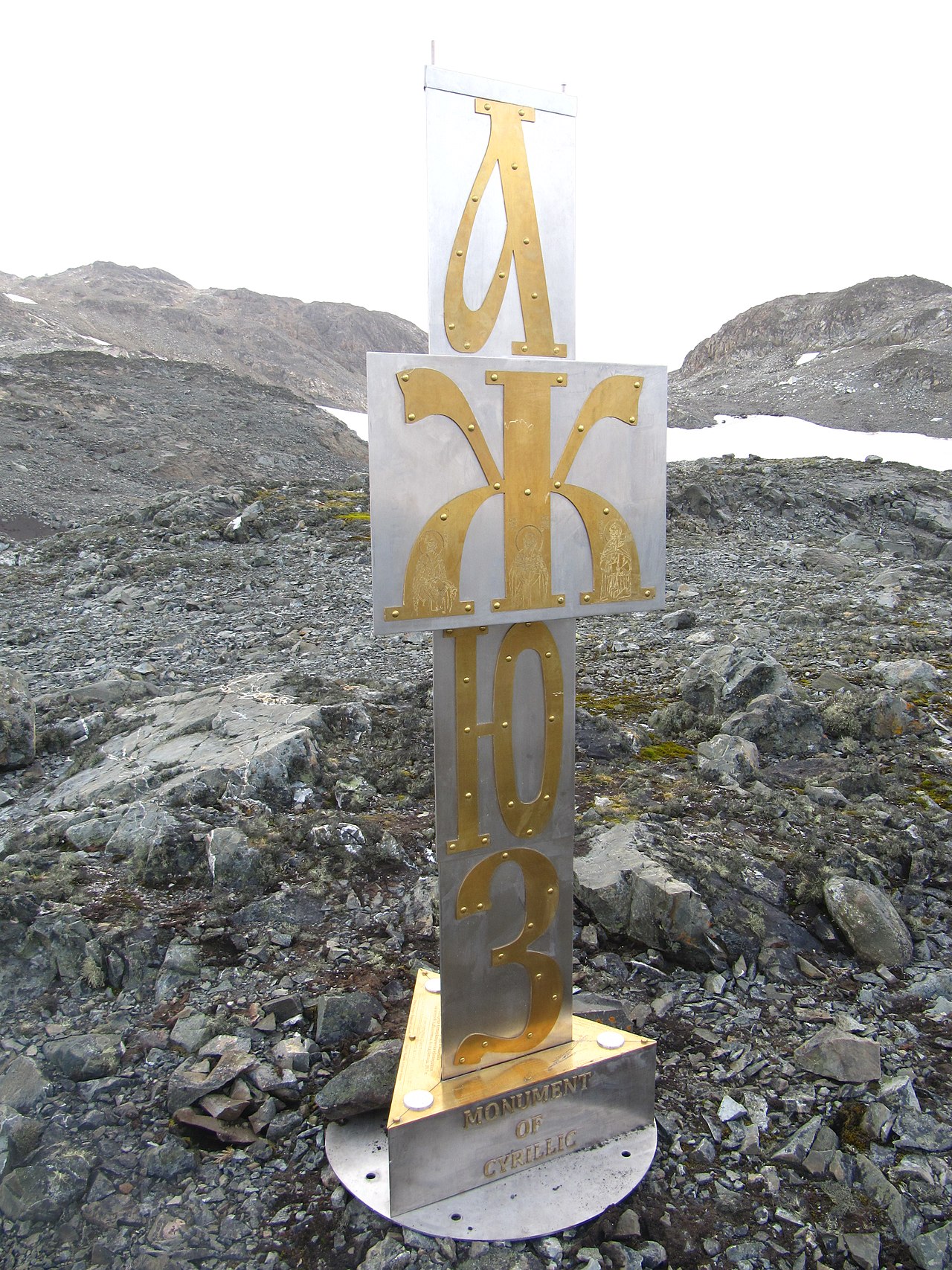
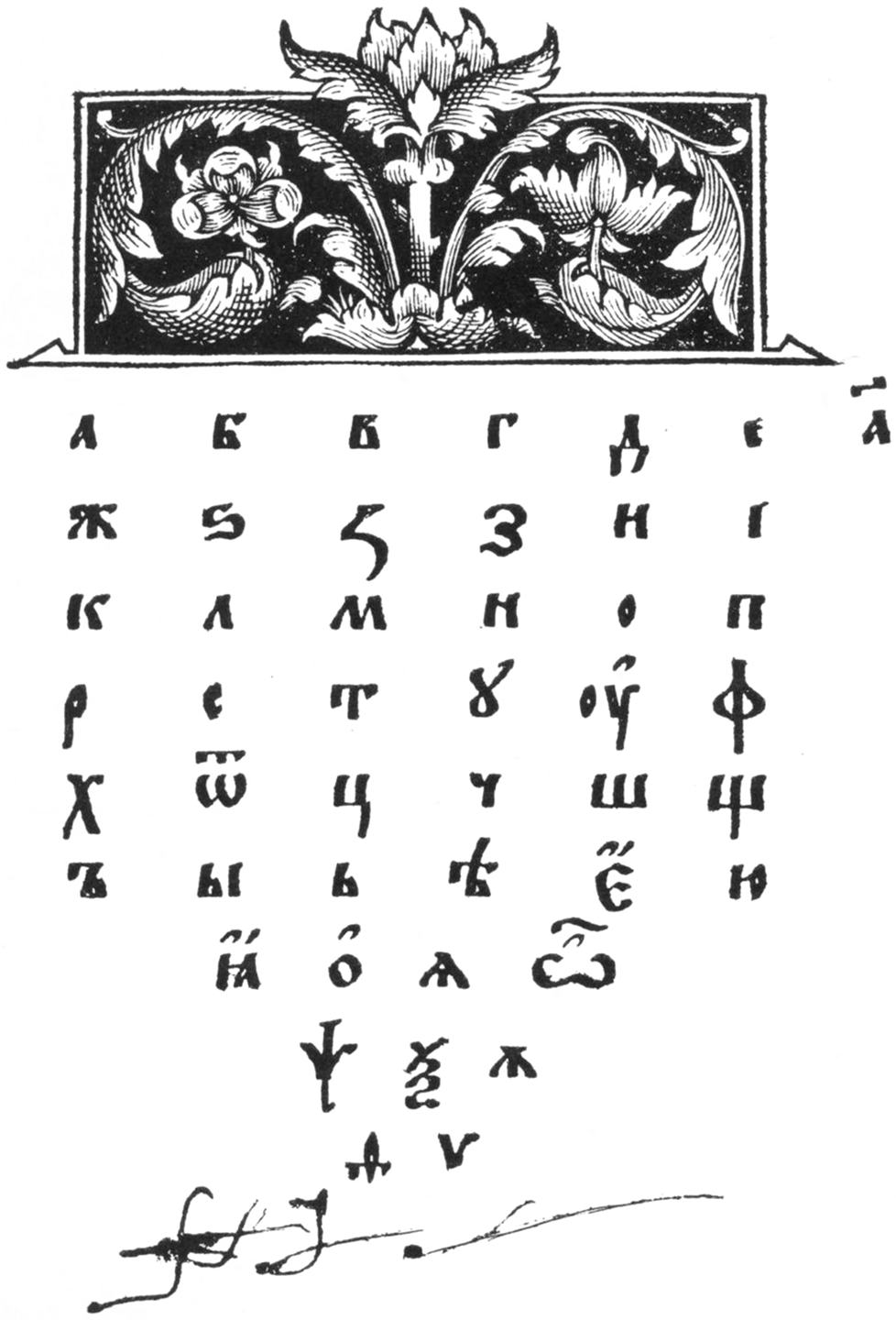
Cyrillic letters were modelled in part on Greek uncial shapes and on earlier local scripts. Alphabets that use Cyrillic may include modified letters, digraphs or diacritics to represent sounds absent in Greek. Most Cyrillic alphabets distinguish uppercase and lowercase forms and follow alphabetic ordering, but the exact inventory of characters varies by language.
History and development
The early form of the script emerged in the Balkans in the period following the missionary activity of Cyril and Methodius. Scholars attribute its formalization to disciples and scribes in medieval cultural centers such as those in the First Bulgarian Empire. Over many centuries the script spread with Orthodox Christianity and literacy, and it underwent national reforms to suit local phonologies and print technology; for example, Russia simplified letterforms in the early modern era.
Modern use and distribution
Today Cyrillic serves as the official or co-official script for a number of Slavic languages and for several non-Slavic languages. Notable modern users include:
- Russian
- Ukrainian
- Belarusian
- Rusyn
- Bulgarian
- Macedonian
- other South Slavic languages
- and many languages brought into Cyrillic use through Soviet policy in regions such as the Caucasus, Siberia, Central Asia and northern Russia.
Variants, reforms and computing
National alphabets differ: some add letters to represent local vowels and consonants, others eliminate obsolete signs. In the 19th and 20th centuries many reforms standardized spelling and reduced archaic letters. In the digital age Cyrillic is encoded in Unicode, enabling consistent use across computers and the internet while allowing for continued national orthographic variation.
Significance and distinctions
Cyrillic is more than a set of characters; it carries cultural and political significance in the countries that use it. In several places it coexists with Latin or Arabic scripts, and script choice can reflect historical ties, identity and practical needs for communication and administration. Understanding Cyrillic therefore involves orthography, history and sociolinguistics as well as paleography and typographic design.
Related articles
Author
AlegsaOnline.com Cyrillic script Leandro Alegsa
URL: https://en.alegsaonline.com/art/24941
Sources
- omniglot.com : "Old Church Slavonic alphabet and language"