
Macedonian language
Macedonian is a South Slavic language spoken mainly in North Macedonia, noted for its Cyrillic script, analytic grammar, postposed definite article, and close relation to Bulgarian.
Macedonian (македонски јазик, makedonski jazik) is a South Slavic language spoken primarily in North Macedonia and by diaspora communities. It serves as the country’s official language and is used in education, administration, media and literature. Estimates place its native speaker population at around two million, with additional second-language users across the Balkans.
Image gallery
10 Images






Distinctive features
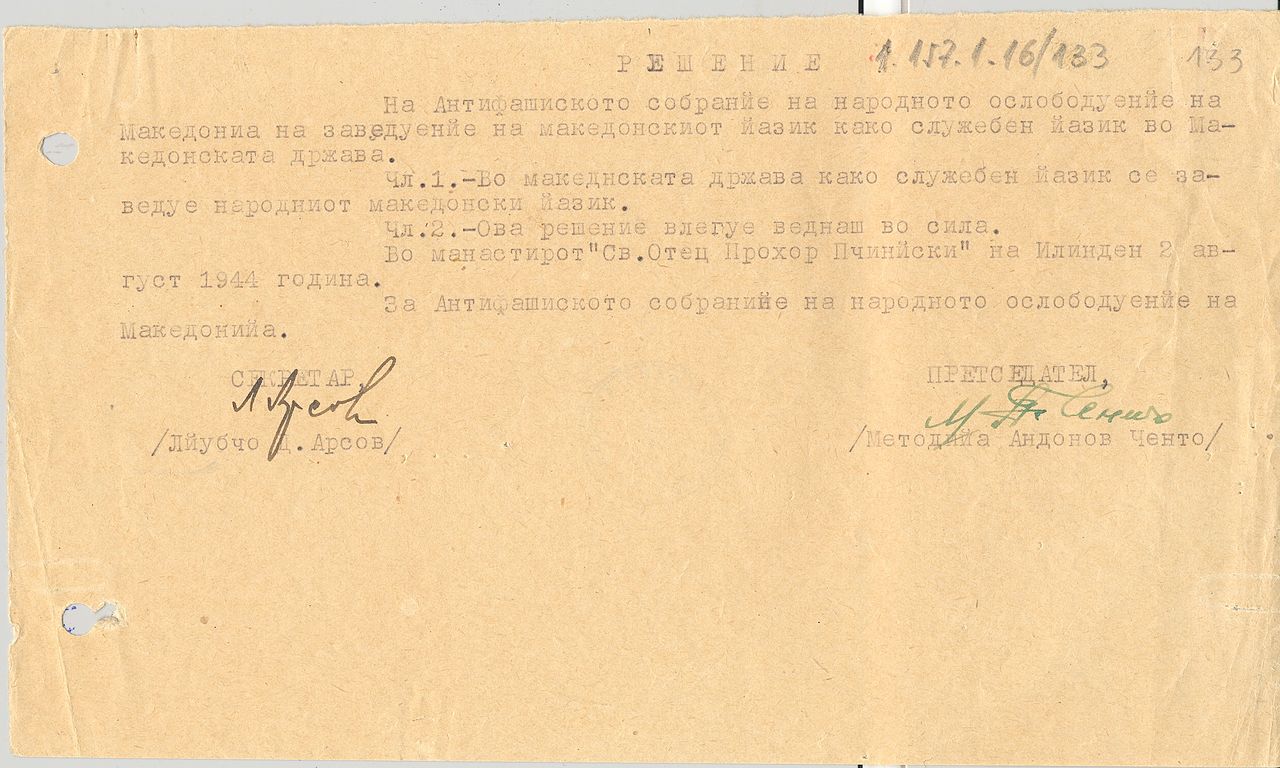
Macedonian is written in a Cyrillic alphabet developed for the language and standardized in the 20th century. Grammatically it is more analytic than many other Slavic tongues: it has largely lost the complex case inflection of its ancestors, relies on prepositions and fixed word order, and uses periphrastic verb forms. One well-known trait is the definite article, which is a suffix attached to the noun and can mark different kinds of definiteness.
- Alphabet: modern Macedonian Cyrillic.
- Genders: masculine, feminine and neuter.
- Case: largely reduced compared with older Slavic stages.
- Verbal system: extensive use of analytic and periphrastic constructions; infinitive forms are typically replaced by subordinate clauses.
- Definite article: postposed suffix with distinct forms to convey nuances of reference.
History and development
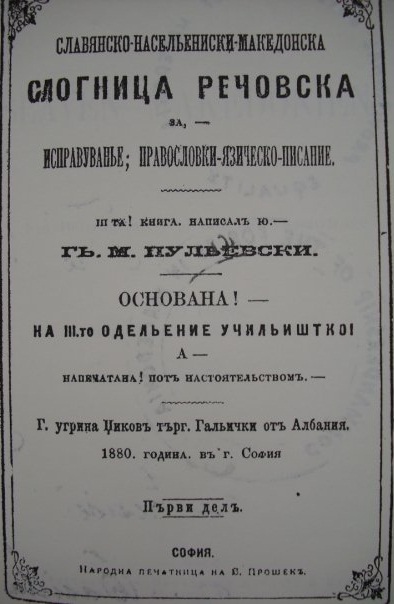
Macedonian evolved from the South Slavic dialects of the central Balkans. Its development was influenced by Old Church Slavonic traditions, prolonged contact with neighboring languages (including Bulgarian, Serbian, Greek, Albanian and Turkish), and local dialectal variation. A modern standard was codified in the mid-20th century, building on central dialects, and figures such as early 20th-century linguists advocated for a standardized literary language.
Uses, literature, and importance
Today Macedonian functions as the primary medium of public life in its home country: it appears in schools, broadcasting, publishing and government. The language has a growing body of modern literature, journalism, and academic work. Macedonian also plays a role in regional identity and cultural expression among speakers in neighboring states and expatriate communities.
Relationship to other languages
Macedonian is closely related to Bulgarian; together they form part of an east South Slavic continuum. Linguists recognize strong structural similarities, but there is broad agreement in international linguistics that Macedonian is a distinct standard language. The precise boundaries between dialects and national varieties have been the subject of scholarly and political debate, reflecting complex historical and social ties in the Balkans.
For further overviews and linguistic descriptions consult general references and regional language surveys, or follow introductory resources on the language and its grammar.
Author
AlegsaOnline.com Macedonian language Leandro Alegsa
URL: https://en.alegsaonline.com/art/60309
Sources
- ethnologue.com : ethnologue
- seelrc.org : seelrc.org/grammar/mainframe.jsp?nLanguageID=3