
Cyclone Pam: 2015 South Pacific Category 5 tropical cyclone
An overview of Cyclone Pam (March 2015), a Category 5 South Pacific cyclone that devastated Vanuatu, its meteorological features, impacts, and humanitarian response.
Overview
Cyclone Pam was a powerful South Pacific tropical storm that developed in early March 2015 and matured into an intense Category 5 cyclone on the Saffir–Simpson scale. It caused widespread destruction in Vanuatu and affected other nearby island nations. The system is notable for its very low central pressure and violent winds; by lowest pressure it ranked among the most intense southern hemisphere tropical cyclones, second only to Cyclone Zoe (2002).
Image gallery
10 Images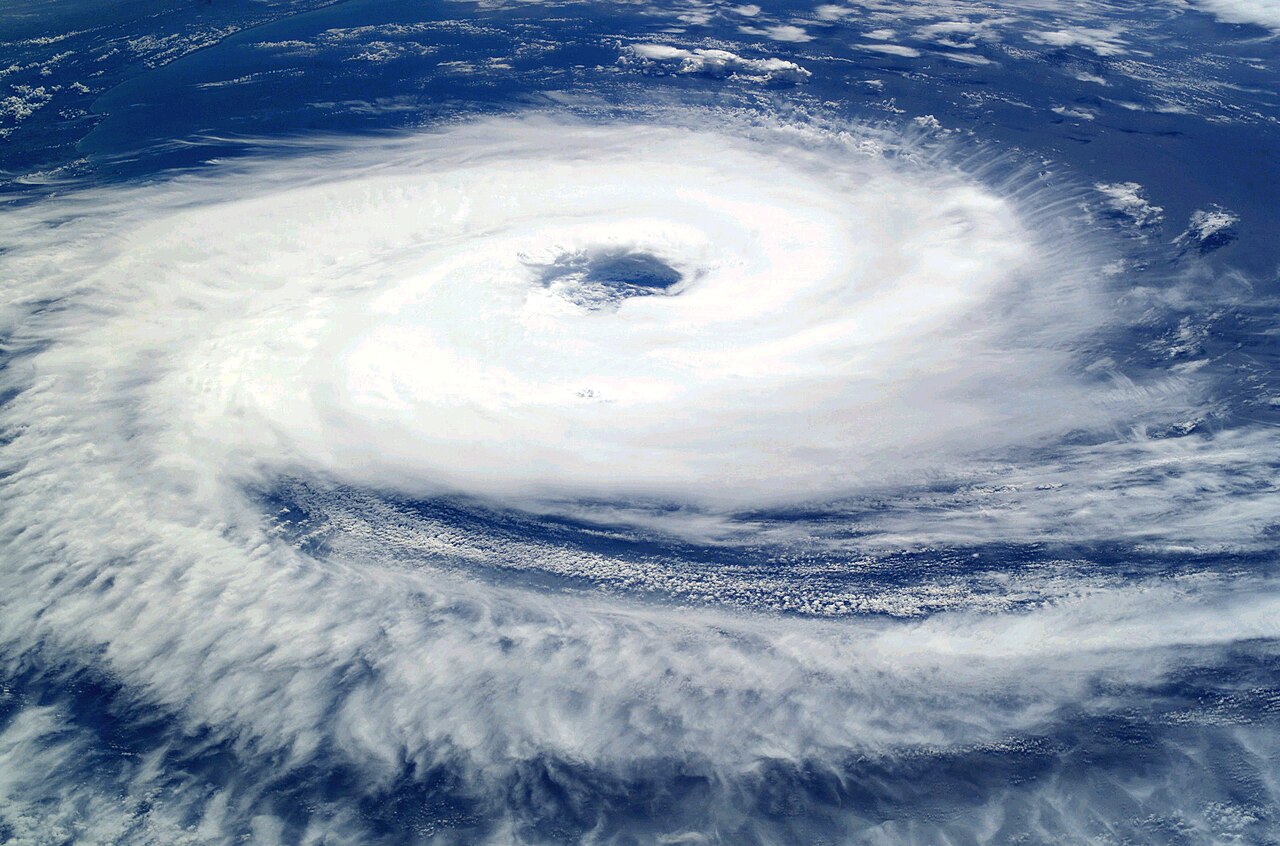



Meteorological history
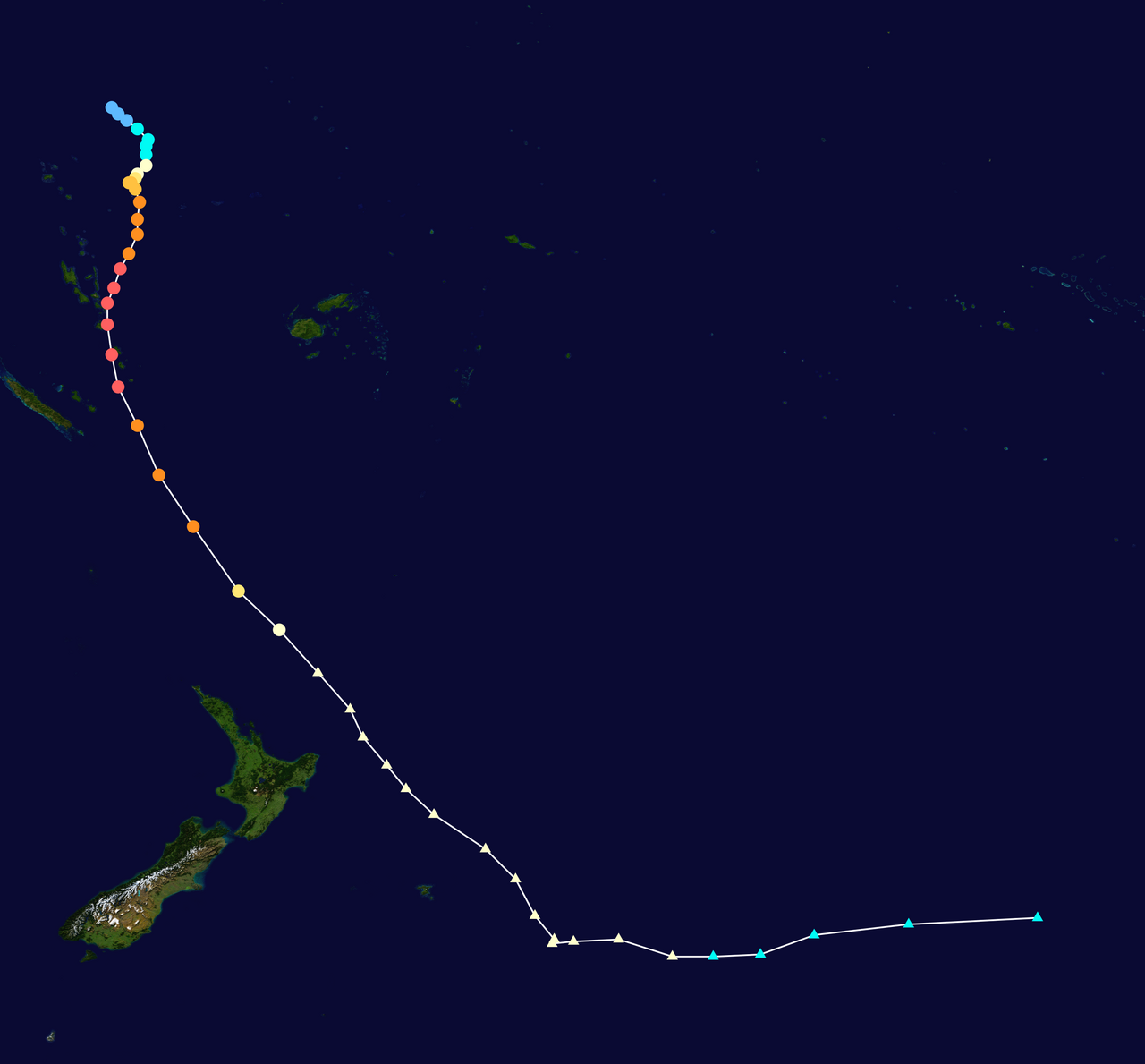
The disturbance that became Pam formed on March 6, 2015, to the east of the Solomon Islands. Favorable ocean temperatures and low wind shear allowed rapid intensification. Over the following days Pam organized into a compact but powerful cyclone with extremely strong sustained winds and a well-defined eyewall. As it tracked southwest, it produced heavy rainfall, destructive winds, and significant storm surge where it made closest approach to land.
Characteristics
- Intensity: Reached Category 5 strength, with very low central pressure and sustained hurricane-force winds.
- Wind and waves: Extreme gusts and large waves produced coastal inundation and erosion.
- Rainfall: Torrential rain led to flooding, landslides, and damage to freshwater supplies.
Impacts and examples
Pam caused severe damage to housing, communications, agriculture, and public services in many communities across Vanuatu, leaving large numbers of people displaced and in need of assistance. Storm surge and wave action destroyed coastal infrastructure and contaminated water sources. Beyond Vanuatu, the cyclone produced hazardous seas and heavy rain across parts of the South Pacific, disrupting transport and utilities.
Response and aftermath
The scale of destruction prompted international humanitarian assistance, emergency relief operations, and subsequent recovery and rebuilding efforts focused on shelter, water, sanitation, and restoring livelihoods. Recovery emphasized resilient reconstruction and adaptation to future tropical cyclone risk, including improved early warning and preparedness measures.
Distinctions and legacy
Pam is remembered both for its intensity and for highlighting the vulnerability of low-lying Pacific island states to powerful tropical cyclones. It reinforced regional cooperation on disaster response and disaster risk reduction. For further technical details or historical comparisons, see resources on Pacific cyclone climatology and post-event assessments linked below.
Related topics: tropical cyclone, regional impacts, and emergency response coordination. Additional regional context: Solomon Islands and neighboring island nations were important in the cyclone's early development and monitoring.
Related articles
Author
AlegsaOnline.com Cyclone Pam: 2015 South Pacific Category 5 tropical cyclone Leandro Alegsa
URL: https://en.alegsaonline.com/art/24874
Sources
- theguardian.com : "Cyclone Pam"